Iran fires missiles at Israel, warns of more 'crushing blows' over Lebanon
Synopsis
Iran's IRGC fired ballistic missiles at Israel's Ramat David Air Base on 8 June, declaring the strike a direct response to Israeli attacks on southern Lebanon — and warning that any further aggression will trigger broader strikes on all US and Israeli targets across West Asia. The ceasefire signed just two months ago is now under severe strain.
Key Takeaways
Iran's IRGC launched ballistic missiles at Ramat David Air Base in northern Israel on 8 June , citing Israeli attacks on southern Lebanon .
Ali Abdollahi of Iran's Khatam al-Anbiya Central Headquarters warned of more 'crushing blows' if Israel does not halt attacks on Lebanon and the Dahieh district .
Iran accused Israel of using banned weapons, including phosphorus bombs , against Lebanese civilians.
The IRGC said the 8 April ceasefire was conditional on a truce on all fronts, which it claims the US and Israel violated.
Iran's Civil Aviation Authority closed western airspace until further notice following the strikes.
Iran and the US are reportedly still working to finalise a memorandum of understanding to end the broader conflict.
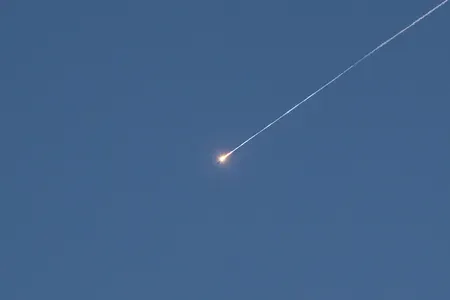
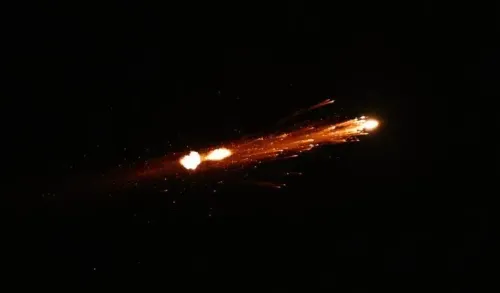
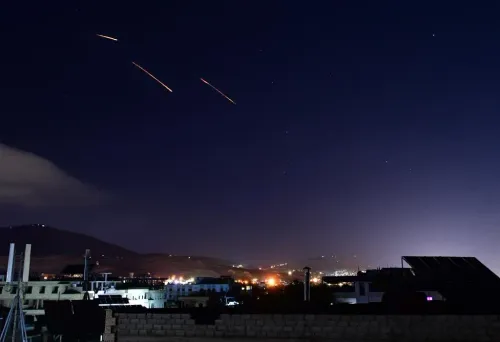
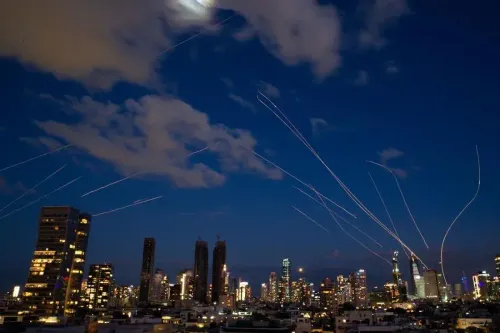
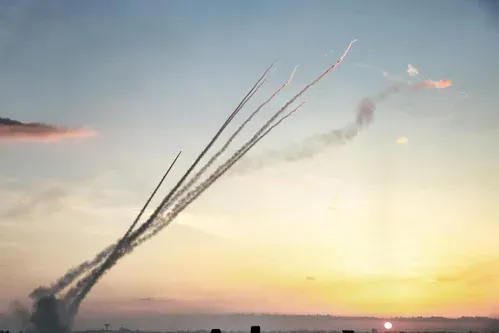
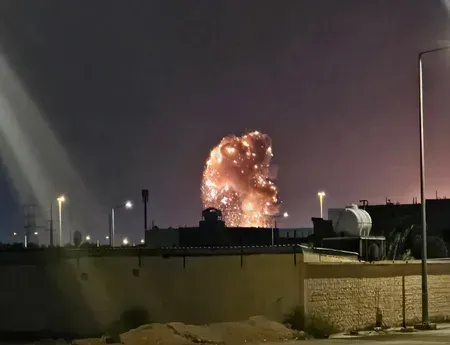
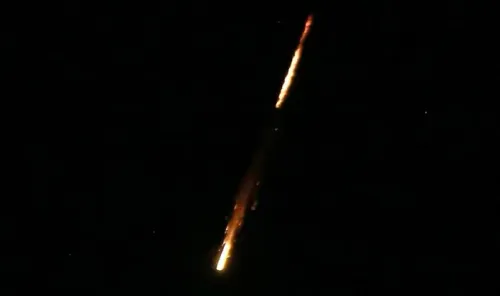
Iran's Islamic Revolutionary Guard Corps (IRGC) launched ballistic missiles at the Ramat David Air Base in northern Israel on Sunday, 8 June, in what it described as a direct response to Israel's 'widespread crimes' in southern Lebanon, including the killing and displacement of civilians. The strike marks a sharp escalation in the ongoing conflict, coming weeks after a ceasefire between Iran, the United States, and Israel took effect on 8 April.
Iran's Warning to Israel
Ali Abdollahi, chief commander of Iran's Khatam al-Anbiya Central Headquarters, warned that Israel will face more 'crushing and regret-inducing blows' if it expands its attacks on southern Lebanon and the Dahieh district south of Beirut, or retaliates against Iran's actions. In a statement aired by Iran's semi-official Fars news agency, Abdollahi said 'devastating' attacks would begin against Israel and its supporters unless the assaults on Lebanon ceased immediately.
Abdollahi accused Israel of escalating its 'malicious actions' against Lebanese civilians daily, allegedly with a US 'greenlight' and amid the silence of international organisations. He further alleged that Israel has been 'perpetrating war crimes by using banned weapons, including phosphorus bombs.'
The IRGC Strike and Its Justification
In a statement published on its official outlet Sepah News, the IRGC said the Ramat David Air Base had been the origin of 'aggressions' against Lebanon, making it a primary target. The Corps emphasised that Iran's acceptance of the 8 April ceasefire was conditional on a truce across all fronts. According to the IRGC, the United States and Israel failed to honour those commitments, continuing what it described as 'aggressions and crimes' in Lebanon and allegedly attacking 'Iranian shores and vessels in the Strait of Hormuz, the Sea of Oman, and the Indian Ocean.'
The IRGC characterised Sunday's military operation as a warning shot, adding that any repetition of 'aggressions' would trigger broader responses encompassing 'all US and Israeli targets in the West Asia region.'
Senior Official's Statement on X
Mohsen Rezaei, military adviser to Iran's Supreme Leader Mojtaba Khamenei, posted on social platform X on Sunday, stating: 'Iran had repeatedly declared that it would not tolerate violations of the ceasefire or aggression against Lebanon.' He added, 'This response is a warning for them to cease their villainy; every new action will be met with a more crushing response and heavier costs.'
Airspace Closure and Regional Impact
Following the missile strikes, Iran's Civil Aviation Authority announced the closure of the country's western airspace until further notice, citing security and safety assessments, according to the semi-official Tasnim news agency. The closure signals the operational scale of Iran's military posture and carries significant implications for regional air traffic.
Ceasefire Background and Diplomatic Track
The 8 April ceasefire ended 40 days of hostilities that began after Israel and the United States launched joint attacks on Tehran on 28 February. In recent weeks, Iran and the United States have reportedly exchanged several proposals outlining conditions for a lasting peace and are working to finalise a memorandum of understanding aimed at formally ending the conflict. Sunday's escalation raises serious questions about whether that diplomatic track can survive fresh military action on both sides.
Point of View
And that Tehran intends to enforce those conditions unilaterally. What mainstream coverage underplays is the compounding nature of these escalations: each 'warning shot' raises the floor for the next response, making de-escalation geometrically harder. The ongoing US-Iran memorandum talks now face their most serious stress test yet. If Washington cannot restrain Israeli operations in Lebanon while simultaneously negotiating with Tehran, the diplomatic track risks collapse — and the region risks a wider confrontation that neither the ceasefire's architects nor international institutions appear equipped to prevent.
NationPress
23 Sept 2026
Frequently Asked Questions
Why did Iran launch missiles at Israel on 8 June?
Iran's IRGC said it fired ballistic missiles at Israel's Ramat David Air Base in response to Israel's continued attacks on southern Lebanon and the Dahieh district, which it described as 'widespread crimes' including the killing and displacement of civilians. The IRGC also cited alleged violations of the 8 April ceasefire by both the US and Israel.
What is the Ramat David Air Base?
Ramat David Air Base is a major Israeli Air Force installation located in northern Israel. The IRGC identified it as the origin of 'aggressions' against Lebanon, making it the stated target of Sunday's missile strike.
What was the 8 April ceasefire between Iran, the US, and Israel?
The ceasefire took effect on 8 April 2025, ending 40 days of hostilities that began after Israel and the United States launched joint attacks on Tehran on 28 February. Iran has said its acceptance of the truce was conditional on a halt to all-front aggression, a condition it now claims was not honoured.
Who is Mohsen Rezaei and what did he say?
Mohsen Rezaei is a military adviser to Iran's Supreme Leader Mojtaba Khamenei. In a post on X on Sunday, he said Iran 'would not tolerate violations of the ceasefire or aggression against Lebanon' and warned that 'every new action will be met with a more crushing response and heavier costs.'
What happens next in the Iran-Israel conflict?
Iran has warned that any further 'aggressions' will trigger broader strikes on all US and Israeli targets across West Asia. Meanwhile, Iran and the US are reportedly still working to finalise a memorandum of understanding for a lasting peace, though Sunday's escalation significantly complicates that diplomatic process.