Israel strikes military targets across Iran, explosions rock Tehran and multiple cities
Synopsis
Israel launched air-launched ballistic missile strikes on military targets across western and central Iran on 8 June, with explosions reported in Tehran, Tabriz, Isfahan, and Karaj. The Karun petrochemical plant in Mahshahr was partly damaged. Iran's IRGC had struck Israel's Ramat David Air Base the day before — and a Yemen-launched missile was intercepted the same morning. A direct Israeli strike inside Iranian territory marks a dangerous new threshold in the conflict.
Key Takeaways
Israel struck military targets in western and central Iran on 8 June using air-launched ballistic missiles, confirmed by the IDF .
Explosions were reported in Tehran , Tabriz , Isfahan , and Karaj .
The Karun petrochemical plant in Mahshahr , southwestern Iran, was hit and partly damaged.
Iran's IRGC had launched ballistic missiles targeting the Ramat David Air Base in northern Israel on Sunday , triggering sirens but causing no reported casualties.
The IDF intercepted a separate missile launched from Yemen towards Israeli territory on Monday morning, with sirens reported in Tel Aviv .
IDF Chief of Staff Eyal Zamir warned Israel 'will strike the enemy with determination as soon as the order is given.'
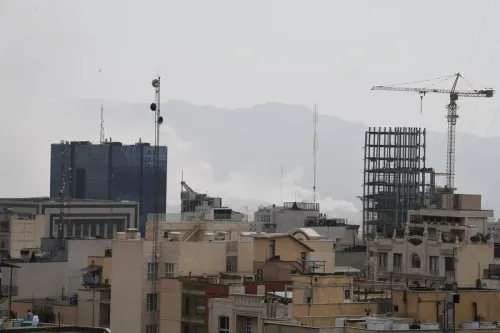
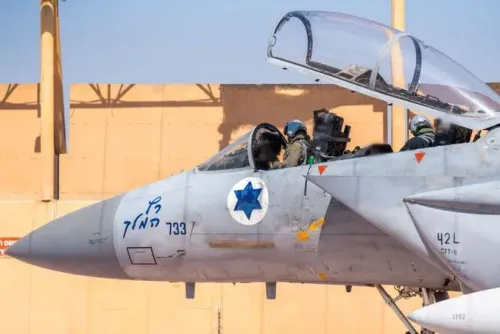
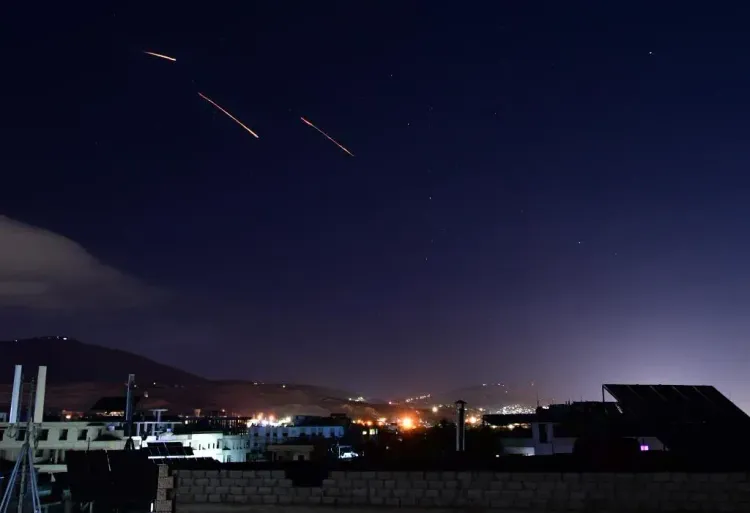
Israel launched a major military offensive against Iran in the early hours of Monday, 8 June, striking military targets across western and central Iranian territory, the Israel Defense Forces (IDF) confirmed. Explosions were reported in multiple Iranian cities, including Tehran, Tabriz, Isfahan, and Karaj, in what marks a significant escalation in the ongoing conflict between the two countries.
What Israel Struck
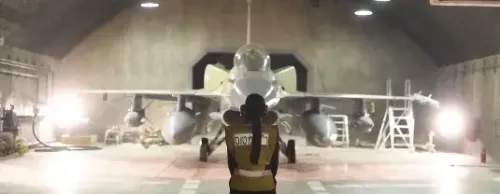
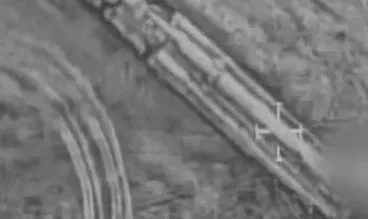
The IDF stated that the Israeli Air Force struck military targets in western and central Iran, with the attacks carried out using air-launched ballistic missiles, according to Iran's Islamic Revolutionary Guard Corps (IRGC). The Karun petrochemical plant in Mahshahr, in southwestern Iran, was hit and partly damaged by an Israeli projectile, according to a provincial official cited by Iran's semi-official Fars news agency. The Israeli military subsequently confirmed the strike on its official channel.
Iran's Response and Warnings
The strikes drew an immediate response from Iranian commanders. Ali Abdollahi, Chief Commander of Iran's Khatam al-Anbiya Central Headquarters, warned on Sunday night that if Israel expanded its attacks on southern Lebanon and the Dahieh district south of Beirut, or retaliated against Iranian actions, Tehran would deliver what he called 'crushing and regret-inducing blows.' The warning came after the IRGC launched ballistic missiles on Sunday targeting the Ramat David Air Base in northern Israel, in response to what Iran described as increased Israeli military activity in southern Lebanon. The missiles triggered sirens across northern Israel, though there were no immediate reports of injuries or damage.
Missile Intercepted from Yemen
Separately, the IDF said it identified and intercepted a missile launched from Yemen towards Israeli territory on Monday morning, shortly after the strikes on Iran. Media reports indicated the missile triggered air-raid sirens in central Israel, including the city of Tel Aviv. The interception adds another front to an already volatile regional picture.
Military Posture and What's Next
IDF Chief of Staff Eyal Zamir said the military 'will strike the enemy with determination as soon as the order is given,' signalling that Israel views the current exchange as an ongoing operation rather than a one-off strike. This comes amid a broader pattern of tit-for-tat escalation between Israel and Iran-aligned forces across the region, spanning Lebanon, Yemen, and now Iranian territory directly. Notably, direct Israeli strikes inside Iran represent a significant threshold — one that analysts have long flagged as a potential trigger for a wider regional war. The international community is closely watching whether either side signals a willingness to de-escalate.
Point of View
Until recently, treated as a red line. The tit-for-tat rhythm — Iran hits Ramat David, Israel hits Tehran and Mahshahr — is accelerating faster than diplomatic channels can absorb. What mainstream coverage underplays is the industrial dimension: hitting the Karun petrochemical plant is not just a military signal, it is economic pressure on Iran's export revenue. With Yemen's Houthis simultaneously launching missiles at Tel Aviv, Israel is now managing a multi-front exchange that tests its interception architecture and its political bandwidth simultaneously. The question is not whether escalation is happening — it plainly is — but whether either government has a defined ceiling, and there is currently no public evidence that either does.
NationPress
24 Oct 2026
Frequently Asked Questions
What did Israel strike in Iran on 8 June?
Israel struck military targets in western and central Iran using air-launched ballistic missiles, according to the IDF. The Karun petrochemical plant in Mahshahr in southwestern Iran was also hit and partly damaged, confirmed by both a provincial official and the Israeli military.
Why did Israel strike Iran?
The strikes followed an IRGC ballistic missile attack on Israel's Ramat David Air Base in northern Israel on Sunday, which Iran said was in response to increased Israeli military operations in southern Lebanon. Israel's military signalled the strikes were a direct response to Iranian aggression.
Were there casualties in the Israeli strikes on Iran?
No immediate casualty figures were reported from the Israeli strikes on Iran. The Karun petrochemical plant in Mahshahr was reportedly partly damaged, but official casualty counts had not been released at the time of reporting.
What happened with the missile from Yemen?
The IDF said it identified and intercepted a missile launched from Yemen towards Israeli territory on Monday morning, shortly after the Iran strikes. The missile triggered air-raid sirens in central Israel, including Tel Aviv, but was intercepted before causing damage.
How serious is the Israel-Iran escalation?
Analysts regard direct Israeli strikes inside Iranian territory as a significant escalation threshold. Combined with Iran's missile attack on an Israeli air base and a simultaneous Houthi missile launch from Yemen, the exchange represents one of the most intense multi-front confrontations between the two sides in recent years.