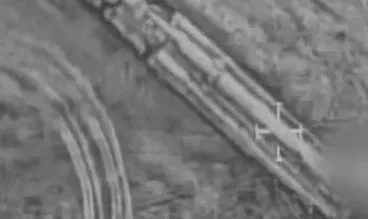
Missile fragments strike Ramat David Air Base amid Iran-Israel escalation
Synopsis
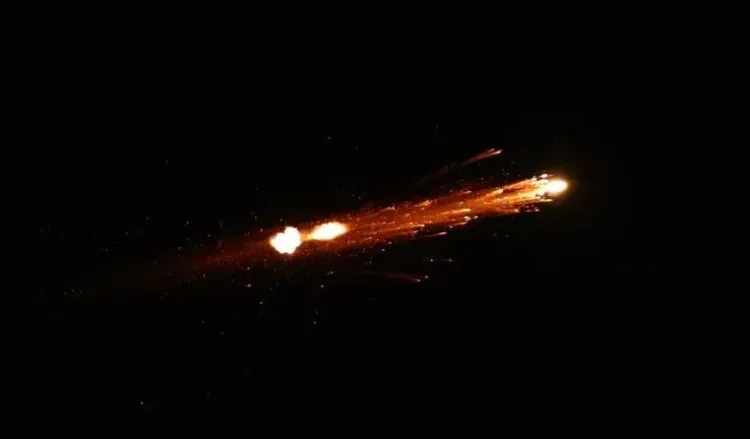
Iran's IRGC fired ballistic missiles at one of Israel's most strategic air bases — and fragments did connect. With Tyre under fresh Israeli bombardment, at least 8 civilians dead, and both Tehran and Jerusalem holding maximalist red lines, the April ceasefire is effectively on life support. The question is no longer whether the pause holds, but how long before it breaks entirely.
Key Takeaways
Missile fragments struck Ramat David Air Base in northern Israel , causing minor damage but no disruption to flight operations, the IDF confirmed on 11 June .
Iran's IRGC said it launched ballistic missiles at the base in retaliation for Israeli strikes on Beirut's southern suburbs that killed at least 2 and injured about 20 .
This is the most serious escalation since the Iran-US-Israel ceasefire reached in April .
IDF struck 6 Hezbollah sites in Tyre ; Lebanese authorities say Israeli strikes killed at least 8 people and injured 35 , including women and children.
Khader Jamasi , described by the IDF as head of Hamas's funds transfer network, was killed in Gaza along with his deputy Muhammad Harazin .
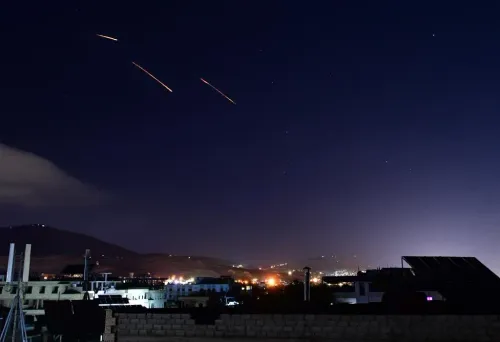
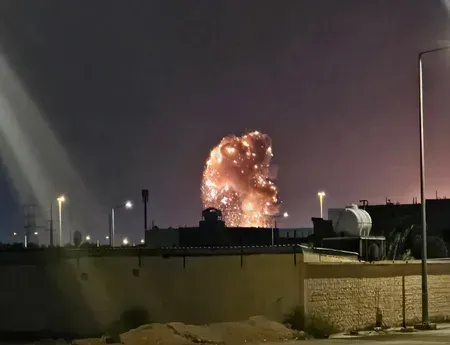
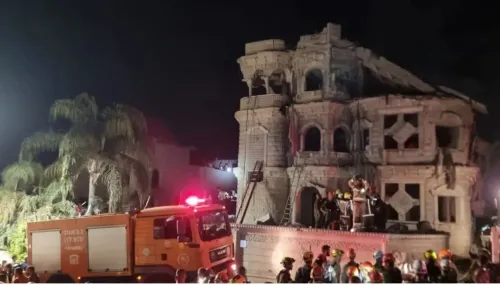
Missile fragments struck the Ramat David Air Base in northern Israel during the latest flare-up between Iran and Israel, the Israel Defense Forces (IDF) confirmed on Wednesday, 11 June. The hit caused minor structural damage but did not disrupt flight operations, according to an IDF official who spoke to Israel's state-owned Army Radio.
What Happened at Ramat David
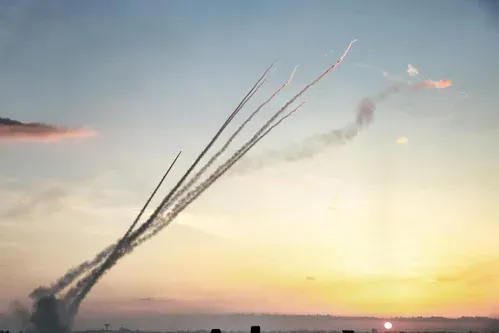
The IDF's confirmation follows earlier Israeli media reports — citing satellite imagery — that the strategically significant air base had been struck. Iran's Islamic Revolutionary Guard Corps (IRGC) announced late Sunday that it had launched ballistic missiles at the Ramat David Air Base in retaliation for what it described as Israel's 'widespread crimes' in Lebanon. The IDF did not comment on that claim at the time.
The base, located in northern Israel, is one of the country's key military installations. Its continued operational status, despite the fragment damage, is being cited by Israeli officials as evidence of the attack's limited tactical effect.
How the Escalation Unfolded
The current cycle of hostilities was triggered by Israeli airstrikes on the southern suburbs of Beirut on Sunday, which reportedly killed at least two people and injured approximately 20 others. Those strikes set off a series of mutual attacks between Iran and Israel from Sunday night into Monday — marking the most serious escalation since a ceasefire between Iran, the United States, and Israel was reached in April.
By Monday, both sides signalled a pause in their direct exchanges. However, Israel has warned it will strike Beirut in response to any attack on northern Israel and will continue operations against Hezbollah in Lebanon. Iran, for its part, has cautioned that any further Israeli strike on Iran or Lebanon would draw a 'severe and crushing' response from Tehran.
Fresh Strikes in Southern Lebanon
Despite the signalled pause, the IDF launched new strikes in southern Lebanon on Wednesday, targeting the city of Tyre and surrounding areas. The military said it struck six Hezbollah infrastructure sites in the Tyre area over the preceding 24 hours, including a facility used to launch drones at Israeli troops operating in Lebanon. Rocket launchers in other parts of southern Lebanon were also hit, according to the IDF.
Thousands of civilians fled Tyre on Tuesday following Israeli warnings. According to Lebanon's National News Agency, Israeli strikes on a residential neighbourhood in Tyre killed at least eight people and injured 35 others, including six women and three children.
Hamas Commander Killed in Gaza
Separately, the IDF announced it had killed Khader Jamasi, whom it identified as the head of Hamas's funds transfer network, along with his deputy, Muhammad Harazin, in a strike in the Gaza Strip. The operation adds to a pattern of targeted killings that Israel has pursued alongside its broader military campaign.
What Comes Next
The fragile pause in direct Iran-Israel exchanges remains untested, with both sides maintaining maximalist red lines. The situation in southern Lebanon, particularly around Tyre, continues to deteriorate for civilians. Diplomatic channels remain unclear, and the April ceasefire framework appears under severe strain. Any fresh Israeli strike on Lebanese territory — or an Iranian response — risks snapping the current, tentative de-escalation.
Point of View
No disruption to operations' — is partly tactical messaging, but the underlying reality is more alarming: Iranian ballistic missiles have now demonstrably reached one of Israel's most critical military installations. The April ceasefire was already threadbare; this exchange may have rendered it nominal. What is being missed in the strike-and-counter-strike framing is the civilian toll in Tyre — eight dead, thirty-five wounded in a residential neighbourhood — which risks hardening Lebanese public opinion and complicating any future diplomatic off-ramp. The killing of Hamas's alleged financial network chief in Gaza the same day signals Israel is simultaneously managing multiple fronts, stretching both military bandwidth and international diplomatic patience.
NationPress
25 Sept 2026
Frequently Asked Questions
What happened at Ramat David Air Base?
Missile fragments struck the Ramat David Air Base in northern Israel on 11 June, causing minor damage but not disrupting flight operations. The IDF confirmed the hit, which followed Iran's IRGC announcement that it had launched ballistic missiles at the base in retaliation for Israeli strikes on Beirut.
Why did Iran attack the Ramat David Air Base?
Iran's Islamic Revolutionary Guard Corps said the missile launch was a response to Israeli airstrikes on the southern suburbs of Beirut on Sunday, which killed at least two people and injured about 20 others. Tehran characterised the strikes as Israel's 'widespread crimes' in Lebanon.
How serious is the current Iran-Israel escalation?
It is the most serious flare-up since the ceasefire between Iran, the United States, and Israel in April. Both sides have signalled a temporary pause in direct attacks, but Israel has warned of further Beirut strikes if northern Israel is targeted, and Iran has threatened a 'severe and crushing' response to any new Israeli action on Iranian or Lebanese soil.
What is happening in Tyre, Lebanon?
The IDF struck six Hezbollah infrastructure sites in the Tyre area on Wednesday, including a drone-launch facility. According to Lebanon's National News Agency, Israeli strikes on a residential neighbourhood in Tyre killed at least eight people and injured 35 others, including six women and three children. Thousands of civilians had already fled the city on Tuesday following Israeli warnings.
Who was Khader Jamasi?
Khader Jamasi was identified by the IDF as the head of Hamas's funds transfer network. He was killed along with his deputy, Muhammad Harazin, in an Israeli strike in the Gaza Strip, announced on the same day as the Ramat David confirmation.