Iran fires four missile barrages at Israel; Iraq, Syria close airspace
Synopsis
Iran launched four successive missile barrages at Israel in a single night, targeting the Ramat David Airbase with ballistic missiles — a sharp escalation that triggered regional airspace shutdowns in Iraq, Syria, and Iran itself, and drew threats from Kataib Hezbollah against US bases. With the IDF chief already approving response plans, the next move could determine whether this stays bilateral or goes regional.
Key Takeaways
Iran fired four missile barrages at Israel on the night of 8 June , with no immediate casualties reported.
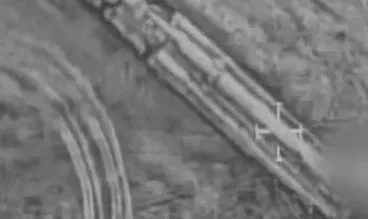
The IRGC said it targeted Ramat David Airbase with ballistic missiles in response to Israeli strikes on Beirut's southern suburbs.
Israeli strikes on Beirut earlier that day killed at least 2 people and injured 20 others , according to Lebanon's health authorities.
Iraq closed its airspace for 72 hours ; Syria shut southern routes for 12 hours ; Iran closed its western airspace indefinitely.
IDF Chief of Staff Eyal Zamir was assessing the situation and 'approving plans for the next steps,' the IDF said.
Iraqi militia Kataib Hezbollah threatened US military bases if Washington intervenes; Yemen's Houthis voiced support for Iran.
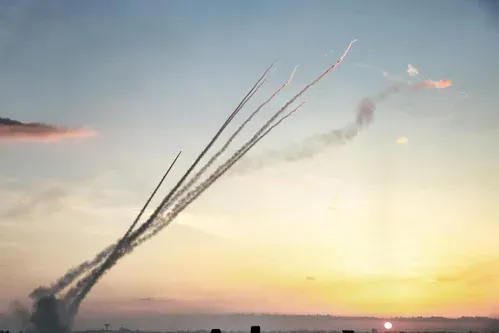
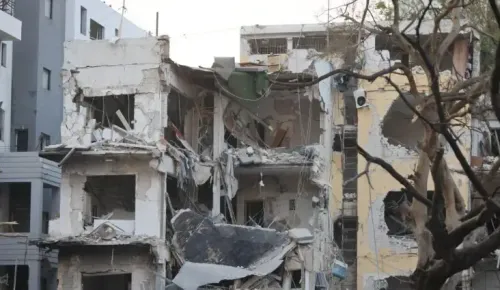
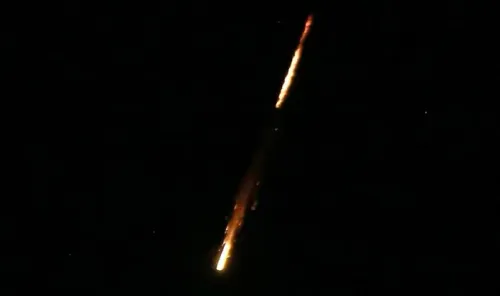
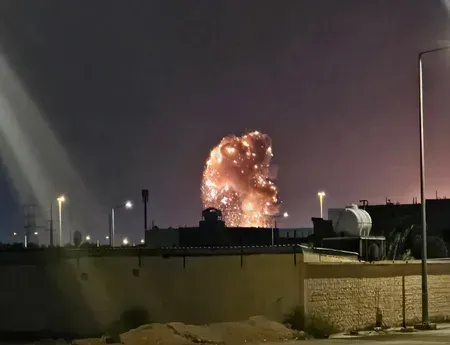
Iran launched four separate missile barrages targeting Israel on Sunday night, 8 June, prompting immediate civil defence measures across the country and triggering a cascade of airspace closures across the region. The Israel Defense Forces (IDF) confirmed the attacks, stating there were no immediate reports of casualties or structural damage.
What Happened on the Ground
IDF spokesperson Effi Defrin said Iran had made 'a grave mistake' by firing the missiles and confirmed that IDF Chief of Staff Eyal Zamir was conducting a situational assessment and 'approving plans for the next steps.' Missile sirens were triggered across northern Israel as barrages arrived in successive waves.
Israel's Home Front Command immediately tightened civil defence restrictions nationwide — banning gatherings of more than 200 people in open areas, capping indoor gatherings at 500 people in protected venues, and closing schools and beaches. Civilians were instructed to remain near shelters and safe rooms.
Iran's Stated Justification
Iran's Islamic Revolution Guard Corps (IRGC) said in a statement that it had targeted Israel's Ramat David Airbase with ballistic missiles in response to what it called Israel's 'widespread crimes' in Lebanon. The attacks followed Israeli airstrikes on Beirut's southern suburbs earlier the same day, which Lebanon's Public Health Emergency Operations Center said killed at least two people and injured 20 others.
Ali Abdollahi, Chief Commander of Iran's Khatam al-Anbiya Central Headquarters, warned — according to Iran's semi-official Tasnim news agency — that if Israel expanded its attacks on southern Lebanon or the Dahieh district south of Beirut, or responded to Iran's actions, it would face 'crushing and regret-inducing blows.'
Regional Airspace Closures and Ally Threats
Iraq announced the temporary closure of its airspace to all flights for 72 hours as a precautionary measure. Syria closed its southern air routes for 12 hours and suspended operations at Damascus International Airport. Iran also announced the closure of its western airspace until further notice, according to the semi-official Fars news agency.
Jordanian Minister of Government Communication Mohammad Al Momani said on X that Jordan's airspace had been breached by a number of missiles during the night. Iraqi militia Kataib Hezbollah, an Iranian ally, threatened to attack US military bases and interests if the United States strikes Iran. Yemen's Houthi group also vowed support for the Iranian attacks against Israel.
Escalation Context
The missile barrages represent a significant escalation in the Israel-Iran confrontation, which has periodically flared since Iran's large-scale drone and missile attack on Israel in April 2024. This is the first reported instance of Iran firing four consecutive barrages in a single night. The involvement of allied militias and the rapid regional airspace shutdowns signal that the conflict's spillover risk is now acutely felt by neighbouring states.
How Israel chooses to respond — and whether the United States becomes directly involved — will likely determine whether this escalation stabilises or widens into a broader regional confrontation.
Point of View
Not a warning shot. The choice of Ramat David Airbase, a key Israeli air force hub, suggests Iran is targeting military capacity, not just making a political statement. What is being underreported is the speed of regional airspace closures: Iraq, Syria, and Iran itself shutting routes within hours indicates that neighbouring governments fear Israeli retaliation could be immediate and wide-ranging. The Kataib Hezbollah threat against US bases is the most dangerous variable — it introduces the possibility of American casualties, which would fundamentally change Washington's calculus on direct involvement.
NationPress
19 Sept 2026
Frequently Asked Questions
Why did Iran fire missiles at Israel on 8 June?
Iran's IRGC said the missile strikes were in retaliation for Israel's 'widespread crimes' in Lebanon, specifically airstrikes on Beirut's southern suburbs earlier that day that killed at least two people. Iran's military commander also warned of further strikes if Israel escalated its attacks on southern Lebanon or the Dahieh district.
Was anyone killed or injured in the Iranian missile attacks on Israel?
There were no immediate reports of casualties or structural damage from the Iranian missile barrages, according to the IDF. Missile sirens were triggered across northern Israel as a precautionary measure.
Which countries closed their airspace after the Iran-Israel escalation?
Iraq closed its airspace to all flights for 72 hours, Syria shut its southern air routes for 12 hours and suspended Damascus International Airport operations, and Iran closed its western airspace until further notice. Jordan also reported its airspace was breached by missiles.
What is Ramat David Airbase and why was it targeted?
Ramat David Airbase is a major Israeli Air Force installation in northern Israel. Iran's IRGC specifically named it as the target of its ballistic missile strikes on 8 June, framing the attack as a response to Israeli military operations in Lebanon.
What are the risks of the conflict spreading regionally?
Iraqi militia Kataib Hezbollah threatened to attack US military bases and interests if the United States strikes Iran, while Yemen's Houthi group also pledged support for Iran's actions. These developments raise the risk of the conflict drawing in additional actors beyond Israel and Iran.