Israel-Lebanon talks resume in Washington as Hezbollah accepts US truce plan
Synopsis
A new Washington-mediated round of Israel-Lebanon talks has opened with Hezbollah signalling acceptance of a US plan for a mutual halt to attacks. Trump says he has Netanyahu's nod; Lebanese President Joseph Aoun has briefed Hezbollah. If it holds beyond Beirut's southern suburbs, this could be the most substantive de-escalation track in months.
Key Takeaways
A new round of Israel-Lebanon talks began in Washington on 2 June .
Hezbollah has agreed to a US proposal for a ‘mutual cessation of attacks’ with Israel, per the Lebanese presidency.
Israeli strikes on Beirut's southern suburbs would stop in exchange for Hezbollah halting attacks; the truce would later cover all of Lebanon.
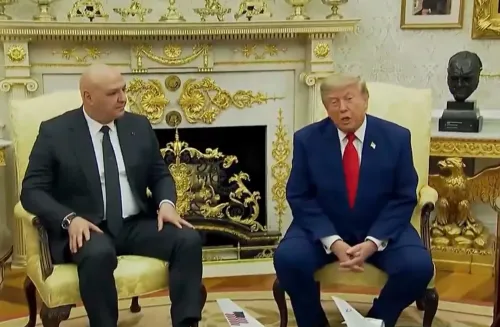
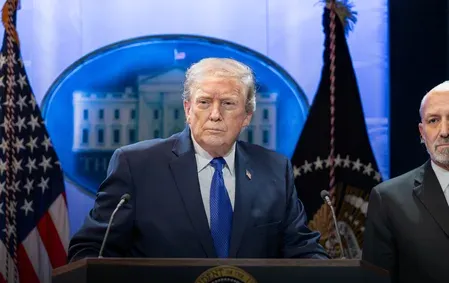
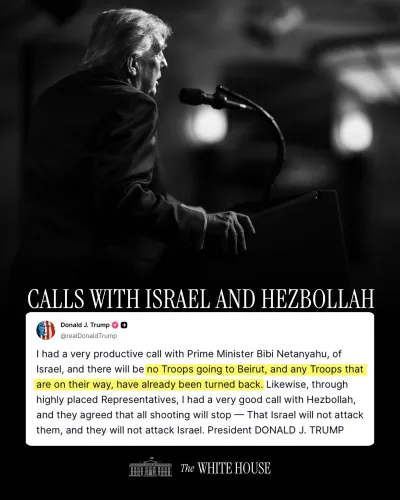
President Donald Trump reportedly secured PM Benjamin Netanyahu's approval and informed Lebanon's envoy Nada Hamadeh Mouawad .
Parliament Speaker Nabih Berri told the Trump administration he would guarantee Hezbollah's compliance.
Further negotiation sessions are scheduled for Tuesday and Wednesday.
A fresh round of direct Israel-Lebanon talks opened in Washington on 2 June, after US President Donald Trump said he had secured commitments from both Israel and Hezbollah aimed at de-escalating cross-border tensions. Lebanese authorities have confirmed that Hezbollah has agreed to a US proposal for a ‘mutual cessation of attacks’ with Israel, according to a statement issued by the Lebanese presidency citing the Lebanese embassy in Washington.
What the US proposal offers
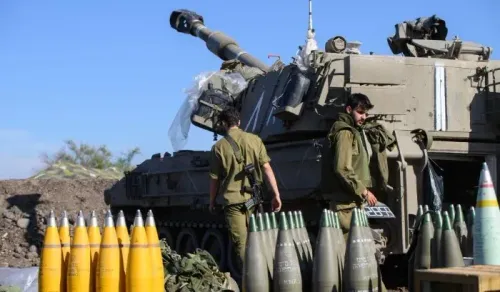
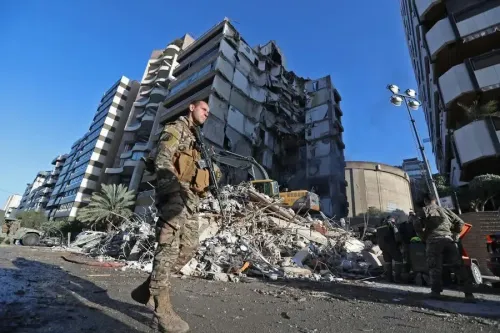
Under the framework being negotiated, Israeli strikes on Beirut's southern suburbs would halt in exchange for Hezbollah refraining from attacks on Israel. The ceasefire would later be widened to cover all Lebanese territory, the embassy said.
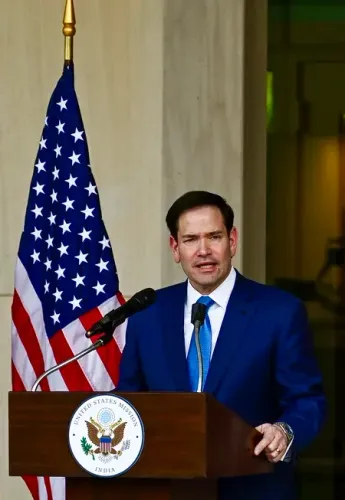
The Lebanese presidency's statement, released on Monday local time, noted that the confirmation followed a phone call between Lebanese President Joseph Aoun and US Secretary of State Marco Rubio, during which the situation in Lebanon and de-escalation efforts were discussed.
How the deal was relayed
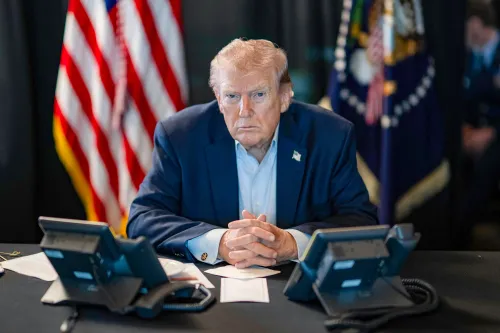
Trump reportedly informed Lebanon's Ambassador to the United States, Nada Hamadeh Mouawad, that he had secured Israeli Prime Minister Benjamin Netanyahu's approval of the proposal. Mouawad then conveyed the outcome to Aoun, who in turn briefed Hezbollah, the statement said.
Lebanese Parliament Speaker Nabih Berri had earlier told the Trump administration that Hezbollah was prepared for a full and immediate ceasefire and that he would personally guarantee implementation, US outlet Axios reported, citing Berri's top adviser Ali Hamdan.
Why this round matters
The renewed Washington track marks one of the most direct US-mediated engagements between Israel and Lebanon in recent months, with the Trump White House staking diplomatic capital on a reciprocal de-escalation formula. Negotiation meetings scheduled for Tuesday and Wednesday are expected to build on the progress already achieved, the Lebanese embassy added.
What's next
Officials on both sides will use this week's sessions to test whether the reciprocal halt holds beyond Beirut's southern suburbs and can scale to all of Lebanon. Critics argue that previous understandings have collapsed within days of announcement, making verifiable enforcement the decisive variable in the days ahead.
Point of View
Reciprocal formula — strikes on Beirut's southern suburbs for Hezbollah restraint — can succeed where broader frameworks have stalled. The model resembles past phased understandings that frayed under battlefield pressure within weeks. The real signal is not Hezbollah's verbal acceptance, relayed through Berri and Aoun, but whether Israel's security cabinet treats the deal as binding once the next provocation occurs. Without an enforcement mechanism, this risks becoming another diplomatic pause rather than a durable de-escalation.
NationPress
24 Sept 2026
Frequently Asked Questions
What is the new Israel-Lebanon proposal being discussed in Washington?
It is a US-brokered framework for a ‘mutual cessation of attacks’ between Israel and Hezbollah, under which Israeli strikes on Beirut's southern suburbs would stop in exchange for Hezbollah halting its attacks. The truce would later be expanded to cover all Lebanese territory.
Has Hezbollah formally agreed to the ceasefire?
According to a statement from the Lebanese presidency citing the embassy in Washington, Hezbollah has agreed to the US proposal. Parliament Speaker Nabih Berri has also told the Trump administration that he will guarantee its implementation.
What role did Donald Trump play in the deal?
President Donald Trump informed Lebanon's Ambassador Nada Hamadeh Mouawad that he had secured Prime Minister Benjamin Netanyahu's approval of the proposal. Mouawad then relayed the outcome to Lebanese President Joseph Aoun, who briefed Hezbollah.
When are the next rounds of talks scheduled?
Further negotiation meetings are scheduled for Tuesday and Wednesday in Washington. They are expected to build on the reciprocal de-escalation framework already accepted in principle by both sides.
Why does this round of talks matter?
It marks one of the most direct US-mediated engagements between Israel and Lebanon in recent months. If the reciprocal halt holds beyond Beirut's southern suburbs, it could open the way to a full territorial ceasefire — though past understandings have repeatedly collapsed under battlefield pressure.