Trump opens door to Iran civilian nuclear programme at G7
Synopsis
At the G7 in Evian, Trump broke new ground by publicly acknowledging that Iran could retain a civilian nuclear programme—while simultaneously warning he would ‘bomb them’ if any deal isn’t permanent. With a 60-day negotiating clock now ticking under a fresh memorandum of understanding, the gap between Washington’s red lines and Tehran’s demands is about to be tested in real time.
Key Takeaways
President Trump signalled on 17 June that the US could accept a civilian nuclear programme in Iran under certain conditions.
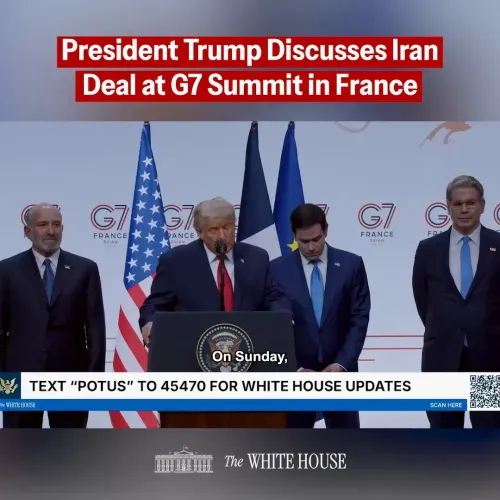
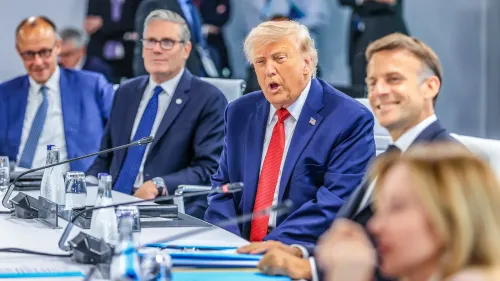
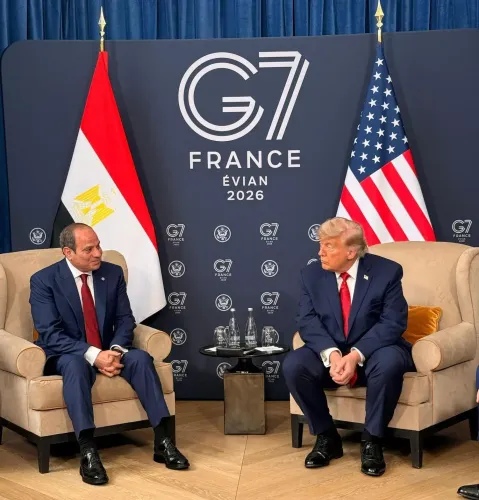
Remarks were made at a press conference after the G7 summit in Evian, France .
A memorandum of understanding announced this week commits Iran to not procuring or developing nuclear weapons, with a 60-day window for a comprehensive deal.
The framework includes removal of enriched nuclear material and an international verification regime.
Trump warned: ‘If it’s not permanent, we will bomb them.’
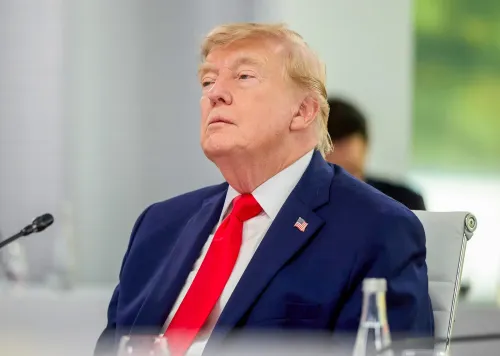
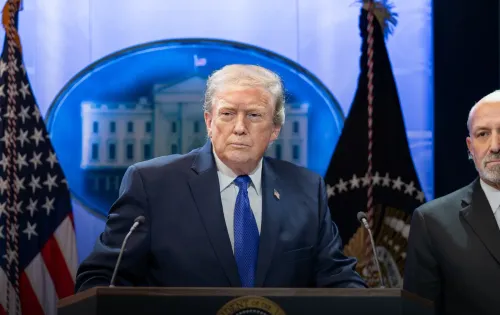
US President Donald Trump on Wednesday, 17 June signalled that Washington could accept a civilian nuclear programme in Iran under specific conditions, offering one of his clearest public indications yet of how the United States may navigate the next phase of nuclear negotiations with Tehran. The remarks came at a press conference following the G7 summit in Evian, France.
What Trump Said
While reiterating that Iran would never be permitted to acquire a nuclear weapon, Trump acknowledged the complexity of denying Tehran civilian nuclear capabilities. “Well, I’ve said to them always, I say, look, you have probably the third largest oil reserves in the world, what the hell do you need nuclear for?” Trump said. “You need nuclear for some electricity.”
Trump added that the situation was nuanced when other countries in the region already possess such capabilities. “You know, it is a little hard though when you say that somebody wants it, other people have it, other adjoining states have it, and you’re not letting them have it for purposes of electricity and things like that,” he said. “It’s always a little tough. You have to use a little common sense.”
The Memorandum of Understanding
Trump’s comments follow a memorandum of understanding announced earlier this week between the US and Iran, under which Tehran has agreed that it “shall not procure or develop nuclear weapons” while both sides negotiate a comprehensive settlement within 60 days. The framework also calls for addressing Iran’s stockpile of enriched nuclear material and establishing verification measures under international supervision.
Senior US officials have stressed that preventing Iran from acquiring a nuclear weapon remains the administration’s central objective. One senior official said the goal is to secure the removal of enriched material, curb Iran’s enrichment capabilities, and establish a verification regime capable of detecting violations.
The Military Threat
Trump made clear that any future agreement would be underpinned by the threat of military force. “If it’s not permanent, we will bomb them,” he said when asked how the deal would prevent Iran from eventually obtaining a nuclear weapon, before adding, “I don’t think that they’re going to veer from the agreement.”
What Comes Next
The remarks provide a window into the issues likely to dominate negotiations on a final agreement. The 60-day negotiating window established under the memorandum means a comprehensive deal—or its breakdown—could be determined by mid-August. The question of whether Iran retains any enrichment capacity for civilian purposes is expected to be among the most contested points at the table. This comes amid longstanding international scrutiny of Iran’s nuclear activities, which Tehran has consistently maintained are peaceful in intent.
Point of View
Which in past Iran negotiations has not been Washington. The verification question—who monitors, with what access, under what trigger mechanism—will determine whether this memorandum becomes a durable framework or another collapsed accord.
NationPress
24 Sept 2026
Frequently Asked Questions
What did Trump say about Iran’s civilian nuclear programme at the G7?
Trump signalled that the US could accept Iran retaining a civilian nuclear programme under certain conditions, acknowledging it was ‘a little hard’ to deny Iran capabilities that neighbouring states already possess. He maintained, however, that Iran would never be allowed to obtain a nuclear weapon.
What is the US-Iran memorandum of understanding?
The memorandum, announced in the week of 17 June 2025, commits Iran to not procuring or developing nuclear weapons while both sides negotiate a comprehensive settlement within 60 days. It also calls for addressing Iran’s enriched nuclear material stockpile and establishing an international verification regime.
Did Trump threaten military action against Iran?
Yes. Trump stated explicitly, ‘If it’s not permanent, we will bomb them,’ when asked how the agreement would prevent Iran from eventually acquiring a nuclear weapon. He added that he did not expect Iran to deviate from the agreement.
Why has Trump questioned Iran’s civilian nuclear argument?
Trump has long argued that Iran’s claim of needing nuclear energy for civilian purposes is questionable given the country’s status as one of the world’s largest holders of oil and gas reserves. He said this has made the US ‘pretty tough’ on the issue historically.
What happens after the 60-day negotiating window?
Both sides are expected to work toward a comprehensive nuclear settlement within the 60-day period established under the memorandum. Key sticking points are likely to include the extent of Iran’s permitted enrichment activity and the design of an international verification mechanism capable of detecting violations.