Trump thanks Xi, Putin for Iran neutrality after G7 summit
Synopsis
At the G7 in Évian, Trump offered a rare public thank-you to Xi Jinping and Vladimir Putin — Washington's two principal strategic rivals — for staying out of the US-Iran conflict. The acknowledgement reveals how central great-power restraint was to keeping the confrontation contained, and how fragile that containment could have been.
Key Takeaways
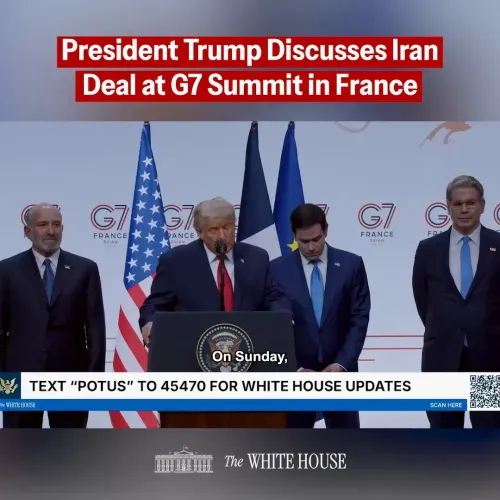
President Trump publicly thanked Xi Jinping and Vladimir Putin for remaining neutral during the US-Iran conflict , speaking at the G7 summit in Évian, France on 17 June .
Trump said he personally asked Xi not to supply military equipment to Tehran , and that Beijing 'for the most part' complied.
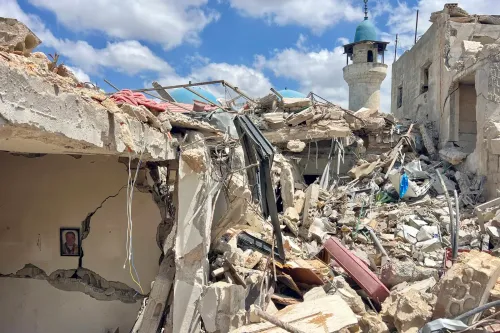
Trump claimed Iran suffered 'much more than $1 trillion' in damage and would need 15 to 20 years to rebuild.
Future economic relief for Iran is conditional on compliance: 'If they're not behaving, they get hit again,' Trump warned.
Trump defended the eventual return of frozen Iranian assets, arguing permanent confiscation would undermine confidence in the US dollar .
He cited risks to Strait of Hormuz shipping as a key reason for halting military operations.
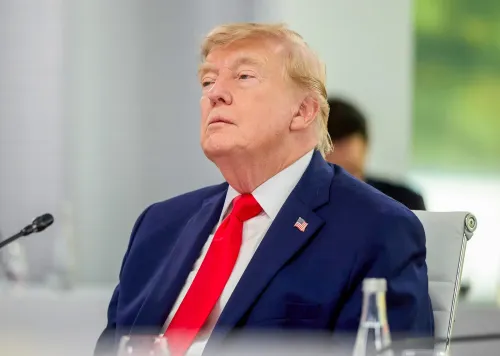
President Donald Trump on Wednesday, 17 June publicly thanked Chinese President Xi Jinping and Russian President Vladimir Putin for remaining neutral during the recent US-Iran conflict, saying both leaders could have made the situation significantly more difficult for Washington. The remarks came at a press conference following the G7 summit in Évian, France.
Trump's Direct Appeal to Xi
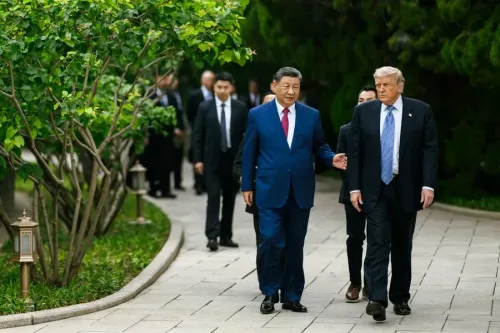
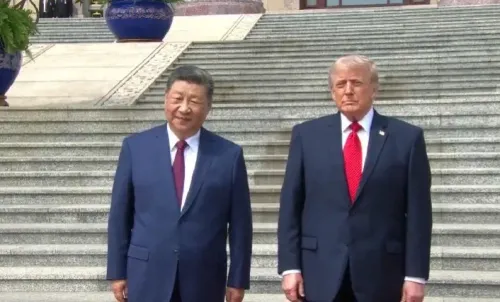
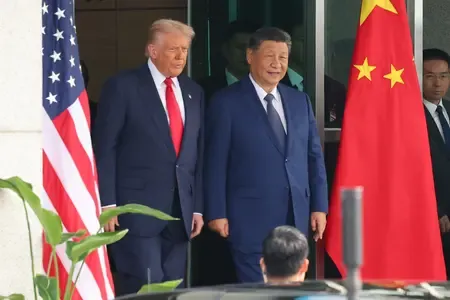
Trump said he personally urged Xi not to supply military equipment to Tehran during the conflict, and expressed appreciation for Beijing's response. 'I want to thank China, President Xi,' Trump said. 'I was with him, and he stayed neutral, totally neutral, and I appreciate it.'
He described a direct conversation in which he asked Beijing to withhold military assistance. 'I said, I would really appreciate your not giving or selling any of that stuff to Iran,' Trump said, adding that Beijing largely complied: 'For the most part, he didn't.'
Putin Credited for Non-Interference
Trump also singled out Russia's president. 'And I want to thank Vladimir Putin; he was very neutral,' he said. 'They could have made it much more difficult for us.' The acknowledgement is notable given that both China and Russia maintain longstanding political and economic ties with Iran, and their restraint was not a foregone conclusion during a major international crisis.
Iran's Damage and the Terms Ahead
Trump defended the agreement reached with Iran, arguing the military campaign achieved its objectives without triggering a wider regional conflict. He claimed Iran had suffered extensive damage and would need years to recover. 'They've had much more than $1 trillion worth of damage done,' he said. 'They'll be 15 to 20 years to rebuild what they have right now.'
He also warned that future economic relief for Tehran would be conditional. 'They have to behave themselves,' Trump said. 'If they're not behaving, they get hit again.'
Frozen Assets and Dollar Credibility
Trump defended provisions in the agreement allowing the eventual release of frozen Iranian assets, framing it as a matter of financial credibility rather than concession. 'We have their money. It's not our money, it's their money,' he said. He argued that permanently retaining foreign assets would erode international confidence in the US dollar and the broader financial system.
Strait of Hormuz and the Limits of Military Action
The President rejected criticism that the deal amounted to a concession, insisting Iran entered negotiations from a position of weakness following military losses and sustained economic pressure. He also pointed to the risks of continued military operations for global energy markets. 'If we keep bombing, those ships won't be going,' Trump said, referring to commercial traffic through the Strait of Hormuz. The remarks underscored how the threat of energy supply disruption shaped Washington's calculus in ending the campaign. All eyes now turn to whether Tehran's compliance with the agreement holds — and whether Beijing and Moscow maintain their studied neutrality.
Point of View
But enforcement credibility will be tested the moment Iran tests a boundary. And the frozen-assets rationale, while financially sound, will be read by hawks as the opening of a concession channel.
NationPress
19 Sept 2026
Frequently Asked Questions
Why did Trump thank Xi Jinping and Putin after the G7 summit?
Trump thanked both leaders for staying neutral during the recent US-Iran conflict, saying they could have made the situation significantly harder for Washington. He revealed he had personally asked Xi not to supply military equipment to Iran, and that Beijing largely complied.
What agreement did the US reach with Iran?
Trump defended a deal reached with Iran following the military campaign, arguing that Tehran entered negotiations from a position of weakness after suffering extensive damage. The agreement includes conditions on Iranian behaviour, with Trump warning of further strikes if Iran does not comply.
How much damage did Iran reportedly suffer in the conflict?
According to Trump, Iran suffered damage worth 'much more than $1 trillion' and would need 15 to 20 years to rebuild. These figures were stated by Trump at the G7 press conference and have not been independently verified.
Why is Trump willing to return frozen Iranian assets?
Trump argued the frozen funds belong to Iran, not the United States, and that permanently retaining foreign assets would undermine international confidence in the US dollar and the broader financial system. He framed the eventual return as a matter of systemic credibility, not concession.
Why did the US halt military operations against Iran?
Trump cited the risk of disruption to global energy markets and commercial shipping through the Strait of Hormuz as a key reason for ending the campaign. He argued continued bombing would have halted ship traffic through one of the world's most critical maritime chokepoints.