Trump: Xi Jinping promised no weapons for Iran amid nuclear talks
Synopsis
Trump revealed that Xi Jinping personally promised him China is not arming Iran — and that the US was just one hour from ordering fresh military strikes before allies urged more diplomacy. With Iran's missiles reportedly '82 per cent gone' and Beijing's energy interests aligned with stability, the Trump administration is threading a narrow needle between coercion and negotiation.
Key Takeaways
Donald Trump stated on 20 May that Xi Jinping personally assured him China was not supplying weapons to Iran .
Trump said the US was ' an hour away ' from ordering additional military strikes before regional allies called for more time for diplomacy.
Trump claimed Iran's missiles are ' 82 per cent gone ' and that its Navy and Air Force have been eliminated — claims not independently verified.
Saudi Arabia , Qatar , the UAE , Bahrain , Kuwait , and Israel are reportedly part of ongoing Iran negotiations with Washington.
Trump cited China's dependence on Middle Eastern oil — reportedly 40 per cent of its supply — as a shared incentive to keep the Strait of Hormuz open.
Beijing has historically opposed unilateral sanctions on Iran and called for diplomatic engagement on Tehran's nuclear programme.
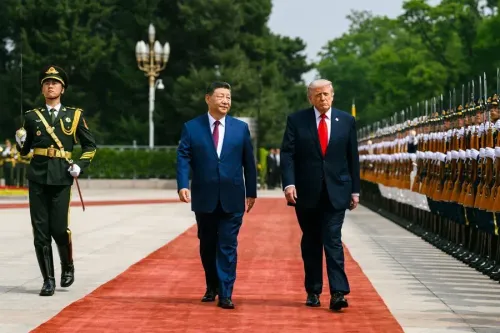
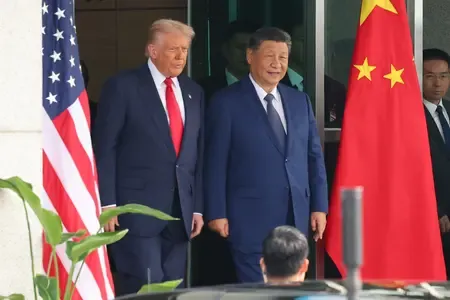
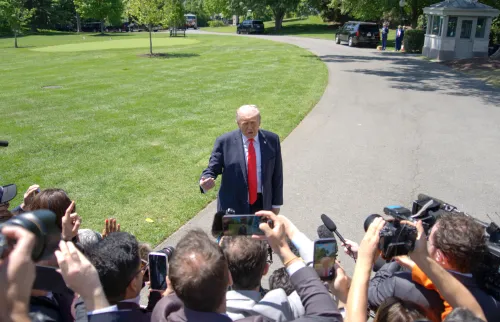
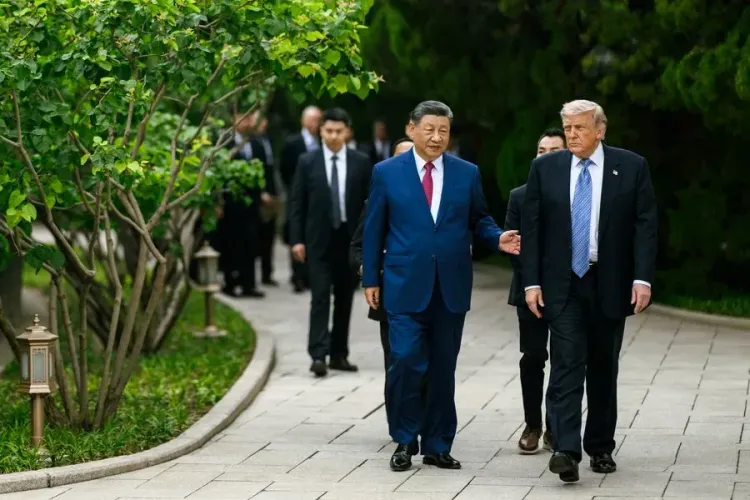
US President Donald Trump on 20 May revealed that Chinese President Xi Jinping had personally assured him that Beijing was not supplying weapons to Iran, as the Trump administration pressed ahead with diplomatic efforts to prevent Tehran from acquiring a nuclear weapon. The disclosure came during remarks to reporters at a White House construction site.
Xi's Assurance and Trump's Response
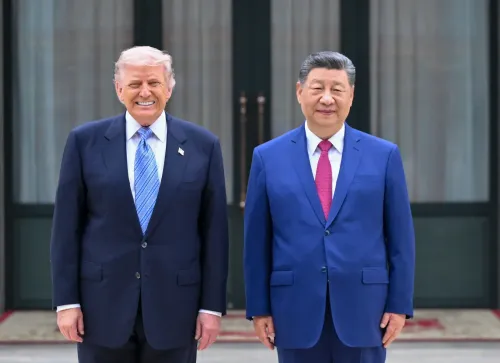
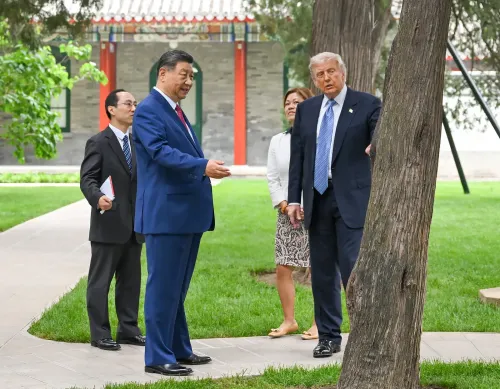
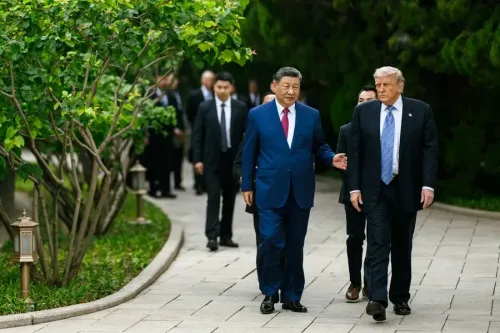
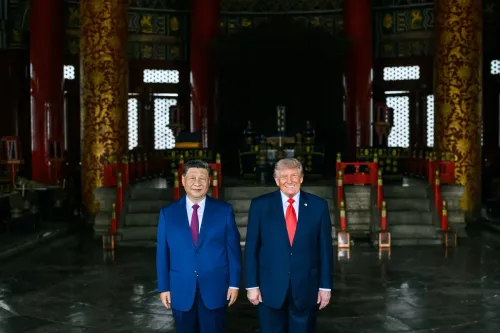
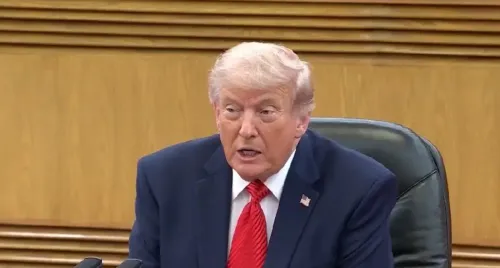
'President Xi has promised me that he's not sending any weapons to Iran,' Trump said. 'That's a beautiful promise. I take him at his word.' Trump added that the two leaders had cultivated a strong personal rapport through recent engagements, describing their interactions as 'an amazing time.'
The remarks underscore a delicate balancing act for the Trump administration — maintaining pressure on Iran while keeping diplomatic channels open with China, one of Tehran's most significant economic partners and a major buyer of Iranian oil despite years of US sanctions.
China's Strategic Interest, Per Trump
Trump argued that Beijing had its own incentive to keep the region stable. 'You know, if you think about it, he gets 40 per cent of his oil,' Trump said, referring to Xi. 'He wants it open. Like me, I want it open.' The President framed China's energy dependence on the Middle East as a natural alignment of interests with Washington's goal of keeping the Strait of Hormuz and surrounding waterways open.
Trump also accused Iran of weaponising strategic waterways for decades. 'Iran has used the straits as a military weapon for 47 years,' he said. 'That's not their strait, that's international waterways.'
Iran's Military Capacity, as Assessed by Trump
Trump made sweeping claims about the degraded state of Iran's armed forces. 'Their missiles are 82 per cent gone, we estimate,' he said. 'Their Navy is completely gone; their Air Force is completely gone.' He acknowledged Iran retained 'a little capacity' to retaliate but contended its ability to rebuild had been severely curtailed. 'Their capacity to build is very little right now because we hit all of their manufacturing areas,' Trump said. These assessments were not independently verified.
How Close to Military Action
In a striking disclosure, Trump said the US had come within an hour of ordering additional military strikes before regional allies intervened. 'I was an hour away from making the decision to go today,' he said, without specifying the target or timeline. The comment signals the degree of military pressure the administration has been prepared to apply even as negotiations continue.
Regional Partners and the Nuclear Red Line
Saudi Arabia, Qatar, the UAE, Bahrain, and Kuwait are reportedly coordinating with Washington in the ongoing Iran negotiations, according to Trump. Israel was also cited as 'a great partner.' On Iran's nuclear ambitions, Trump drew an absolute line: 'If they had a nuclear weapon, they would start with Israel. It would be nuclear holocaust.' He linked prolonged regional conflict to global energy markets, noting large vessels loading supplies from Texas, Louisiana, and Alaska as a contingency signal.
Beijing has consistently opposed unilateral sanctions and called for diplomatic engagement on Iran's nuclear programme — making Trump's claim of Xi's direct assurance a notable, if unverified, diplomatic development to watch.
Point of View
And Beijing has made no corresponding statement. China's structural relationship with Iran, built on oil purchases and sanctions evasion, does not change on the strength of a leader-to-leader conversation. The more revealing detail is the near-strike disclosure: if the US was genuinely one hour from military action, the region's stability is far more contingent on personal diplomacy than any formal framework. That is not reassurance — it is risk.
NationPress
20 Sept 2026
Frequently Asked Questions
What did Xi Jinping promise Trump about Iran?
According to Trump, Xi Jinping personally assured him that China is not supplying weapons to Iran. Trump said he accepted the assurance at face value, though Beijing has not publicly confirmed the exchange.
How close was the US to launching military strikes on Iran?
Trump said the US was approximately one hour away from ordering additional military strikes before Gulf region allies urged Washington to allow more time for diplomacy. He did not specify the intended target or the exact date.
What is the current state of Iran's military, according to Trump?
Trump claimed that Iran's missiles are '82 per cent gone,' and that its Navy and Air Force have been entirely eliminated. He acknowledged Iran retains limited retaliatory capacity. These assessments have not been independently verified.
Which countries are involved in the Iran negotiations?
Trump named Saudi Arabia, Qatar, the UAE, Bahrain, Kuwait, and Israel as partners coordinating with Washington in ongoing negotiations aimed at preventing Iran from acquiring nuclear weapons.
Why does Trump believe China wants stability in the Middle East?
Trump argued that China imports roughly 40 per cent of its oil from the Middle East, giving Beijing a direct economic interest in keeping the Strait of Hormuz open and the region stable — aligning its interests with Washington's on this specific issue.