Trump's Iran deal takes centre stage at G7 Summit in France
Synopsis
Trump landed at the G7 Summit in France carrying a deal most allied governments haven't read yet. A 60-day Iran ceasefire and a pledge to reopen the Strait of Hormuz sound transformative — but with sanctions relief and nuclear questions deferred, and Israel publicly sceptical, the hard part hasn't started.
Key Takeaways
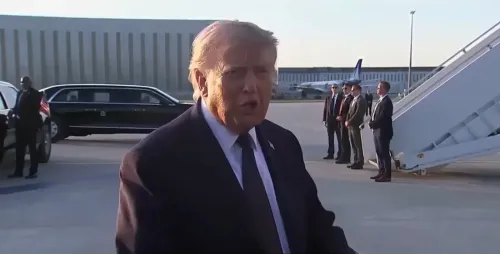
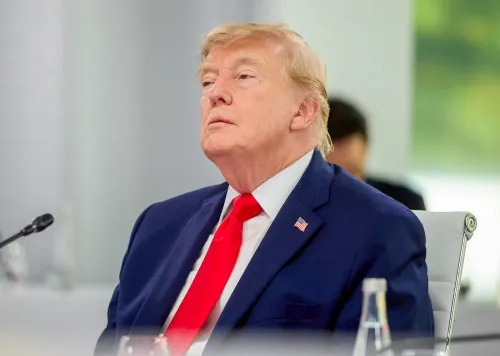
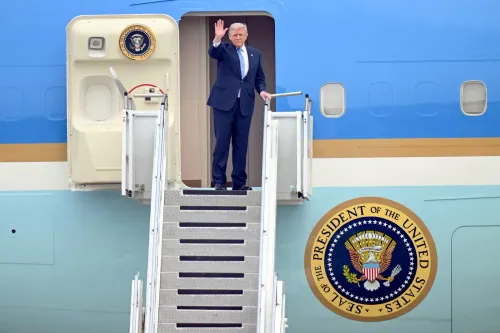
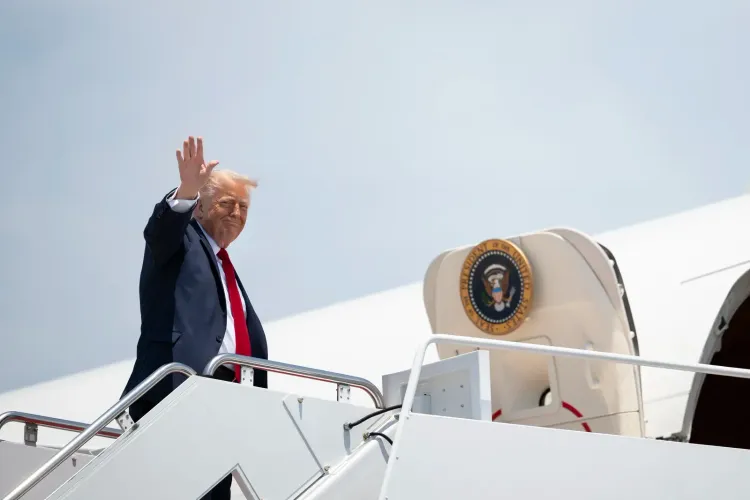
US President Donald Trump arrived in Evian-les-Bains, France on 15 June for the G7 Summit with an unpublished Iran agreement in hand.
The preliminary framework reportedly includes a 60-day ceasefire and a commitment to reopen the Strait of Hormuz .
Key issues — including sanctions relief and Iran's nuclear activities — have been deferred to later negotiations.
France, Germany, Italy , and the UK welcomed the deal but called for swift progress; Israel remains publicly sceptical.
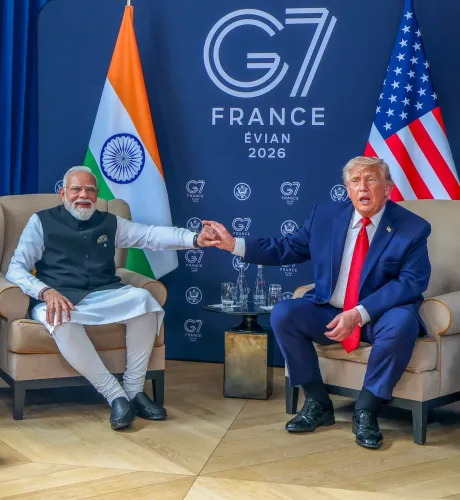
Trump is scheduled to meet Prime Minister Narendra Modi on the sidelines on Wednesday .
Allied governments have not yet seen the full text of the accord, according to reports.
US President Donald Trump arrived in Evian-les-Bains, France on 15 June for the Group of Seven (G7) Summit, bringing with him a still-unpublished agreement with Iran that has rapidly overshadowed the forum's formal agenda. The preliminary accord, announced on Sunday, promises to reopen the Strait of Hormuz and pause a conflict that has rattled global energy markets and unsettled allied governments.
What the Deal Reportedly Contains
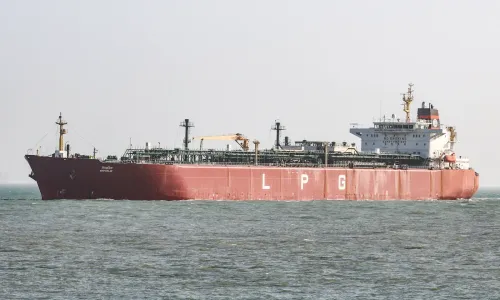
According to The New York Times, the preliminary framework includes a 60-day ceasefire and a commitment to negotiate a broader settlement. Trump has publicly stated that the agreement will reopen the Strait of Hormuz — a critical maritime corridor through which a significant share of the world's oil and gas exports passes. In an interview, Trump argued that the deal would eventually make the Strait 'permanently toll-free' and insisted his administration had negotiated 'from strength.'
However, the full text of the accord has not been released publicly. According to The New York Times, some of the most contentious issues — including sanctions relief and the future of Iran's nuclear activities — have been deferred to later rounds of talks.
Allies Seek Clarity on the Accord
Allied governments have yet to see the complete text of the agreement, according to The Wall Street Journal, and are seeking assurances that the framework can survive the difficult negotiations ahead. France, Germany, Italy, and the United Kingdom have called for a swift return to commercial shipping through the Strait and urged rapid progress on detailed negotiations.
European Union foreign policy chief Kaja Kallas described the agreement as a 'potential breakthrough' and offered European support on nuclear issues. Commercial shipping companies are also reportedly seeking guarantees on the waterway's security before fully resuming operations.
Israel's Reservations
Not all reactions have been welcoming. The Washington Post reported that Israeli leaders remain wary of any settlement that leaves Iran's leadership structure intact while deferring decisions on key security matters. This scepticism adds a layer of complexity to what Trump has framed as a diplomatic win.
Modi-Trump Bilateral on the Sidelines
On the margins of the summit, Trump is scheduled to meet Prime Minister Narendra Modi on Wednesday. The bilateral is expected to cover trade and economic issues, though the Iran framework and its implications for regional energy security — of direct relevance to India — are likely to feature prominently.
What Comes Next
Trump will need allied support to secure safe navigation through the Strait of Hormuz and to persuade Iran to address concerns over enriched nuclear material, according to The Wall Street Journal. The G7, comprising the United States, Canada, France, Germany, Italy, Japan, and the United Kingdom, was created to coordinate economic policy among advanced democracies, but recent summits have increasingly been dominated by geopolitical crises. Whether the Iran deal holds — and whether allies can extract enough detail to trust it — will define the summit's legacy.
Point of View
Which means the 60-day ceasefire is less a resolution than a pause button. European leaders are applauding a text they haven't read, Israel is already signalling it won't be bound by the outcome, and commercial shipping firms are waiting for security guarantees before moving a single tanker. Trump's framing of 'negotiating from strength' will be tested not at the G7 podium but in the detailed talks that follow — where Iran's leverage over the Strait remains very much intact.
NationPress
26 Sept 2026
Frequently Asked Questions
What is Trump's Iran deal announced before the G7 Summit?
It is a preliminary agreement announced on Sunday that reportedly includes a 60-day ceasefire and a commitment to reopen the Strait of Hormuz. Key issues such as sanctions relief and Iran's nuclear activities have been deferred to subsequent negotiations, and the full text has not been publicly released.
Why does the Strait of Hormuz matter so much?
The Strait of Hormuz is a critical maritime corridor through which a significant portion of the world's oil and gas exports passes. Any disruption to shipping there directly impacts global energy prices and supply chains, making its reopening a central economic and geopolitical concern.
How have G7 allies responded to the Iran agreement?
France, Germany, Italy, and the United Kingdom have broadly welcomed the deal and called for a swift return to commercial shipping through the Strait. EU foreign policy chief Kaja Kallas called it a 'potential breakthrough.' However, allied governments have yet to see the full text of the accord, according to reports.
Why is Israel sceptical of the deal?
Israeli leaders are reportedly wary of any settlement that leaves Iran's leadership structure intact while deferring decisions on key security issues. Israel views Iran's nuclear and military posture as an existential concern, and a framework that postpones those questions offers it little assurance.
What is the significance of the Modi-Trump meeting at the G7?
Prime Minister Narendra Modi is scheduled to meet Trump on Wednesday on the sidelines of the summit. The bilateral is expected to cover trade and economic matters, but the Iran deal's implications for regional energy security — including India's oil import routes through the Strait of Hormuz — are likely to feature in discussions.