Hormuz to fully reopen by Friday, Trump confirms at G7 Evian
Synopsis
The Strait of Hormuz — through which roughly 20% of the world’s traded oil flows — is set to fully reopen by Friday after a U.S.-Iran agreement signed on the sidelines of the G7 in Evian. Trump says Iran has agreed to forgo nuclear weapons with 'strong policing powers', oil prices are already falling, and VP JD Vance will attend the formal signing. The full deal text drops after Friday.
Key Takeaways
President Donald Trump confirmed the Strait of Hormuz will be fully reopened by Friday , following a signed agreement with Iran .
Commercial shipping has already begun moving through the Strait, which Trump described as ‘partially opened.’ The deal commits Iran to not acquiring a nuclear weapon, with what Trump called ‘strong policing powers.’ French President Emmanuel Macron said the agreement could also support peace in Lebanon and broader regional stability.
Vice President JD Vance will represent the U.S. at the formal signing ceremony; the full memorandum of understanding will be released after Friday .
Trump signalled the administration will now shift focus to ending the Russia-Ukraine war, citing fresh conversations with Putin and Zelenskyy .
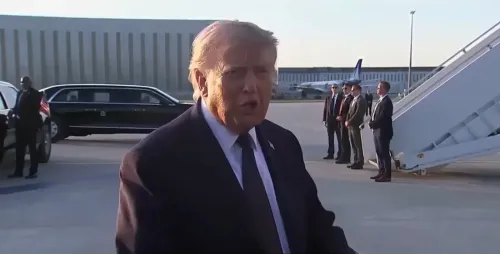
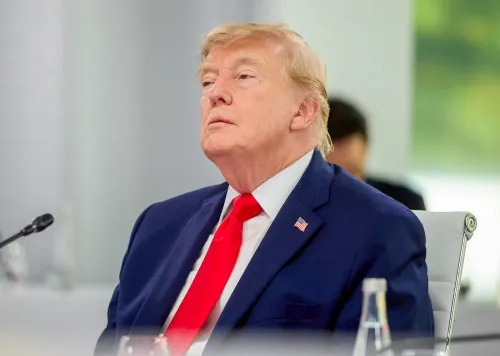
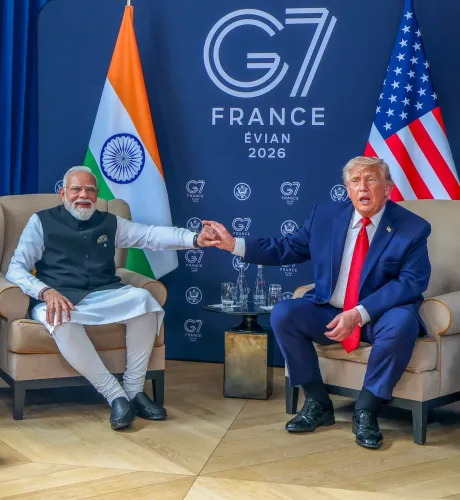
U.S. President Donald Trump confirmed on Monday, 15 June that the Strait of Hormuz would be fully reopened by Friday, following a newly signed agreement with Iran aimed at preventing Tehran from acquiring a nuclear weapon. Trump made the announcement on the sidelines of the G7 Summit in the French resort town of Evian, where he met with French President Emmanuel Macron.
Key Developments from the G7 Sidelines
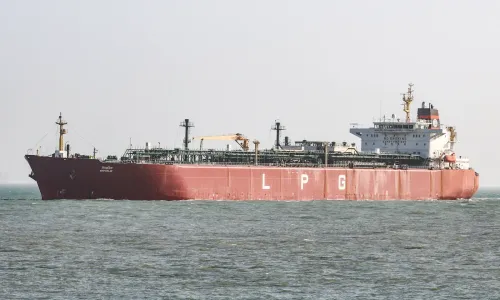
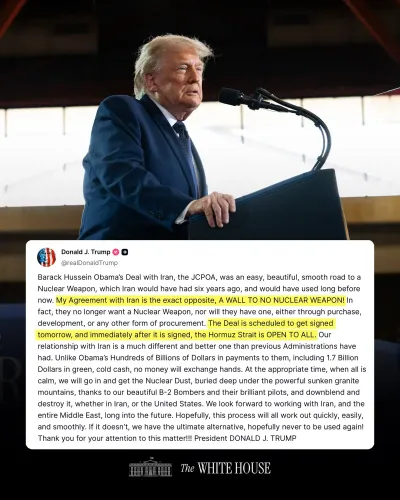
Trump said commercial shipping had already begun moving through the Strait — one of the world's most critical oil transit corridors — with full resumption expected by the end of the week. “The deal is all signed, and the Strait is already partially opened,” Trump said. “Ships are starting to go out now. On Friday, it’ll be completely opened.”
The Strait of Hormuz channels roughly 20% of the world’s traded oil, making its closure or disruption a trigger for immediate global energy market volatility. Its partial reopening, even before the formal ceremony, signals that the deal has operational teeth.
What the Agreement Covers
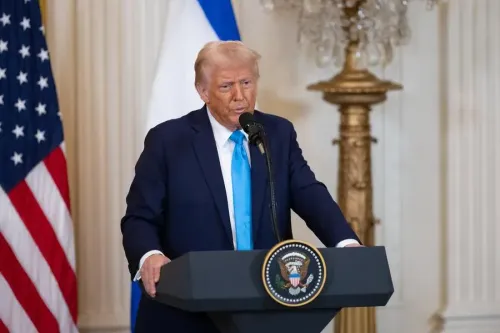
Both leaders described the accord as a landmark step on the Iran nuclear question. Trump said the central commitment was unambiguous: “Iran will not have a nuclear weapon. They fully agreed to that with strong policing powers, and they won’t have a nuclear weapon.”
Trump attributed the breakthrough to what he called a “third” Iranian leadership group, describing them as “very smart, strong” interlocutors. The full memorandum of understanding is expected to be made public “sometime after Friday,” according to Trump, who said he wanted it released because it was “a very powerful document.”
Vice President JD Vance is set to represent the U.S. administration at the formal signing ceremony, with Trump indicating he may not attend due to summit commitments.
Macron: Deal Extends to Lebanon and Regional Stability
Macron framed the agreement as having consequences well beyond the nuclear file. “It will fix the nuclear issue first, it will fix the nuclear issue, and it’s a very important matter for peace, for the whole world,” he said at the start of the bilateral meeting. He added that the accord could also contribute to peace efforts in Lebanon, with France prepared to “take our fair share of the burden” as part of the international commitment to support the deal.
Market Impact and Broader Geopolitical Signals
Trump pointed to immediate market reactions as evidence of the deal’s effect. “The oil is plummeting down and the stock market is shooting up like a rocket today,” he said, arguing that easing Gulf tensions was already filtering through to global commodity and equity markets.
This comes amid a broader diplomatic push at the G7, where leaders are also set to discuss Ukraine, critical minerals, trade, and artificial intelligence. Trump said he had held “two very good conversations” the previous day with Russian President Vladimir Putin and Ukrainian President Volodymyr Zelenskyy, adding: “Now that this is finished, we’re going to be focusing on that.”
The sequence is notable: a U.S. administration that has been accused of stretching thin across multiple geopolitical fronts is now signalling a deliberate pivot — from the Gulf to Eastern Europe — within the same summit week.
What Comes Next
The full text of the memorandum of understanding is expected to be released after Friday’s formal signing ceremony. Independent verification of Iran’s nuclear commitments and the mechanics of the “strong policing powers” referenced by Trump remain to be detailed. Analysts and allied governments will be watching closely for specifics on inspection regimes and timelines before assessing the deal’s durability.
Point of View
And that is precisely why it warrants scrutiny. The phrase ‘strong policing powers’ is doing enormous work here: without a published inspection regime, the nuclear commitment is essentially unverifiable. The decision to send JD Vance to the signing rather than attend personally also leaves diplomatic ambiguity about U.S. ownership of the deal. If the memorandum of understanding, when released, lacks a credible verification mechanism, the Hormuz reopening may prove to be the headline and the nuclear pledge the fine print.
NationPress
15 Sept 2026
Frequently Asked Questions
When will the Strait of Hormuz fully reopen?
U.S. President Donald Trump said the Strait of Hormuz will be completely reopened by Friday, 20 June. Commercial shipping has already begun moving through the strait following the signing of the U.S.-Iran agreement.
What does the U.S.-Iran agreement cover?
The agreement, described by both Trump and Macron as a major step, commits Iran to not acquiring a nuclear weapon and includes what Trump called ‘strong policing powers.’ It also facilitated the partial reopening of the Strait of Hormuz. The full memorandum of understanding is expected to be released after Friday.
Who will sign the deal on behalf of the United States?
Vice President JD Vance will represent the U.S. administration at the formal signing ceremony. Trump indicated he may not attend due to his G7 summit commitments.
What did French President Macron say about the deal?
Macron called it ‘a very important agreement’ for global peace, saying it would resolve the nuclear issue and could also contribute to stability in Lebanon. He said France was ready to take its ‘fair share of the burden’ in supporting the deal as part of the international community.
How has the deal affected oil prices and markets?
Trump said oil prices were ‘plummeting down’ and stock markets were ‘shooting up like a rocket’ on the day of the announcement, attributing the moves to the easing of Gulf tensions. The Strait of Hormuz handles roughly 20% of the world’s traded oil, making its reopening a significant event for global energy markets.