Gender-based violence training held in Sawai Madhopur, Rajasthan
Synopsis
Officials from police, health, legal services, and welfare departments across Sawai Madhopur gathered for a structured two-day drill on gender-based violence response — a rare district-level exercise in multi-agency coordination that puts survivor dignity and inter-departmental referral at its centre.
Key Takeaways
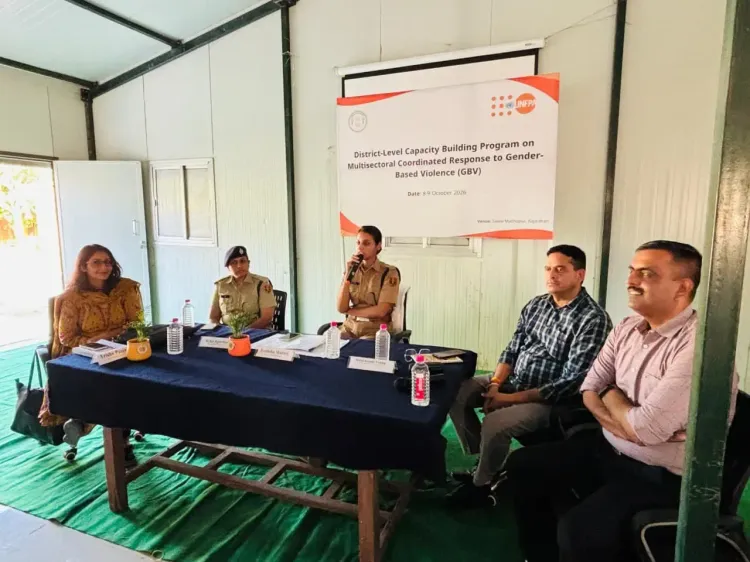
A two-day gender-based violence capacity-building training was held in Sawai Madhopur, Rajasthan on 8 and 9 October 2026 .
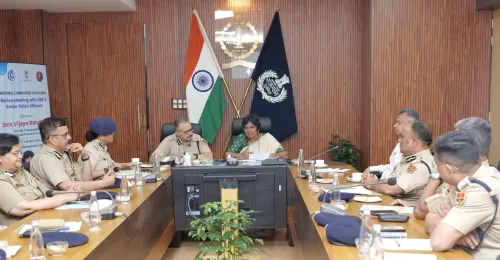
SP Jyeshtha Maitreyi hosted the programme, emphasising dignity, confidentiality, and sensitive handling of survivors.
Officials from more than 10 departments and institutions — including police, District Legal Services Authority , Sakhi Centres , and the Medical and Health Department — participated.
Training covered legal provisions on gender-based violence, victim rights, and inter-agency coordination protocols.
The programme aimed to reduce procedural barriers for survivors seeking assistance and strengthen timely, coordinated institutional responses.
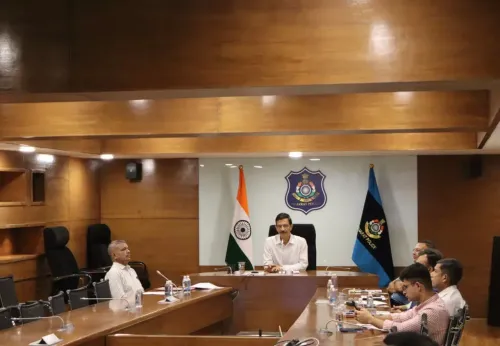
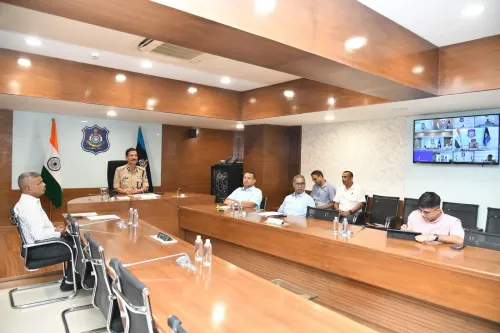
A two-day district-level capacity-building programme to combat gender-based violence was held in Sawai Madhopur, Rajasthan, on 8 and 9 October 2026, bringing together officials and personnel from multiple departments to strengthen coordinated responses for affected women and girls. The initiative aimed to equip frontline functionaries with the skills, legal knowledge, and inter-agency coordination needed to deliver timely, sensitive, and effective support to survivors.
Programme Overview and Leadership
The event was hosted by SP Jyeshtha Maitreyi, who presided over sessions centred on a multi-sectoral approach to addressing gender-based violence. Maitreyi underscored that the dignity, respect, and confidentiality of women and girls affected by violence must remain the highest priority in every institutional response. Officials were urged to listen to survivors with sensitivity, avoid causing additional mental distress, and provide assistance tailored to individual needs.
Experts and resource persons delivered insights into the forms, causes, and consequences of gender-based violence, alongside preventive measures and best practices for case identification and management.
Key Departments and Institutions Involved
The training spotlighted the roles and responsibilities of a wide range of agencies engaged in the gender-based violence response ecosystem. These included the police, District Legal Services Authority, One Stop Centres, the Department of Women Empowerment, Child Marriage Prohibition Officers, Women Safety and Counselling Centres, Sakhi Centres, the Pannadhay Women Safety and Honour Centres, the Medical and Health Department, and various civil society organisations working in women's and children's protection.
The importance of coordination among the Child Welfare Committee, Special Juvenile Police Unit, District Child Protection Unit, and the Juvenile Justice Board was also discussed, reflecting the programme's emphasis on a holistic, child-sensitive approach.
Legal Framework and Victim Rights
Participants were sensitised to legal provisions relating to gender-based violence, the rights of survivors, and the statutory responsibilities of concerned departments. Sessions stressed the imperative of ensuring legal compliance while safeguarding the safety, dignity, privacy, and confidentiality of women and girls. Officials were specifically cautioned against imposing unnecessary procedural hurdles that could deter survivors from seeking help or compound their distress.
The training also examined procedures for responding to varied situations involving gender-based violence, drawing on experience-sharing and practical case discussions among participants.
Awareness and Survivor-Centred Approach
A significant focus of the programme was on raising awareness among women and girls about their rights, available support mechanisms, and pathways to seek assistance. Participants discussed strategies to foster a safe and supportive environment in which survivors can report violence without fear or hesitation. Immediate assistance, protection, counselling, and referral services were highlighted as critical first-response priorities.
As the programme concluded, the overarching message was that preventing gender-based violence and supporting survivors is a shared institutional responsibility — one that demands coordinated, compassionate, and legally grounded action from every stakeholder involved. The district administration is expected to use the training outcomes to improve case-response timelines and inter-agency referral mechanisms going forward.
Point of View
Accountability mechanisms, and survivor feedback loops are what convert sensitisation workshops into lasting change.
NationPress
12 Oct 2026
Frequently Asked Questions
What was the gender-based violence training held in Sawai Madhopur about?
It was a two-day district-level capacity-building programme held on 8 and 9 October 2026 to strengthen coordinated responses to gender-based violence in Sawai Madhopur, Rajasthan. The event trained officials from the police, health, legal services, and welfare departments on sensitive case handling, legal provisions, and inter-agency coordination.
Who organised and led the training programme?
The programme was hosted by SP Jyeshtha Maitreyi, who emphasised that the dignity, respect, and confidentiality of women and girls affected by violence must be the highest institutional priority. Experts and resource persons also led sessions on prevention, case identification, and legal frameworks.
Which departments participated in the Sawai Madhopur gender-based violence training?
Participants came from the police, District Legal Services Authority, One Stop Centres, Department of Women Empowerment, Child Marriage Prohibition Officers, Women Safety and Counselling Centres, Sakhi Centres, Pannadhay Women Safety and Honour Centres, the Medical and Health Department, and organisations working in women's and children's protection.
Why is multi-sectoral coordination important for addressing gender-based violence?
Gender-based violence cases require input from law enforcement, health services, legal aid, and welfare agencies simultaneously, and no single department can address all dimensions alone. Timely information-sharing, coordinated action, and proper referrals ensure survivors receive comprehensive support without facing unnecessary procedural hurdles.
What are the expected outcomes of the training?
The programme sought to improve response timelines, reduce procedural barriers for survivors, and enhance inter-agency referral mechanisms across Sawai Madhopur district. The district administration is expected to apply the training outcomes to real-case coordination going forward.