Pakistan gas crisis deepens as Strait of Hormuz blocks Qatar LNG

Synopsis
Pakistan's energy crisis has moved from chronic to acute: with the Strait of Hormuz choked by the Middle East conflict, Qatari LNG cargoes that cover roughly a fifth of the country's total gas needs are stalled. A 3,400-MW power shortfall, surging spot prices of $30 per million BTU, and a winter demand surge looming — Islamabad is running furnace-oil plants at full tilt while its diplomats scramble across Doha, Tehran, and Washington for a fix.
Key Takeaways
Pakistan's LNG supplies from Qatar have been disrupted by the Middle East conflict choking the Strait of Hormuz .
The power sector may need up to 400 million cubic feet of gas per day this winter, but only two LNG cargoes were confirmed for September.
Spot LNG prices have risen to around $30 per million British thermal units , making emergency purchases costly.
Authorities reported a power shortfall of approximately 3,400 megawatts ; furnace-oil plants are running at full capacity and nuclear maintenance has been deferred.
Imported LNG covered roughly one-fifth of Pakistan's gas consumption between July 2025 and March 2026 .
FPCCI president Mian Nasser Hyatt Maggo warned of factory closures if cargoes are not secured in time.
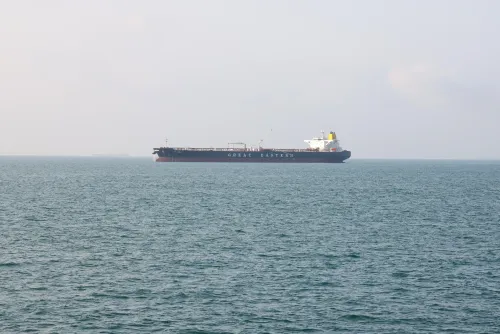
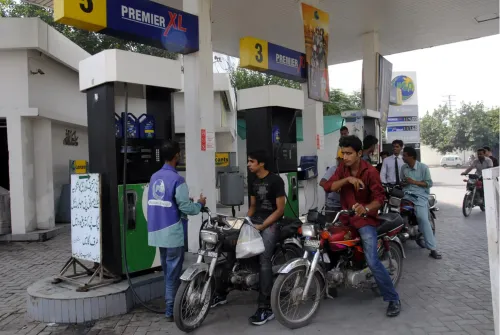
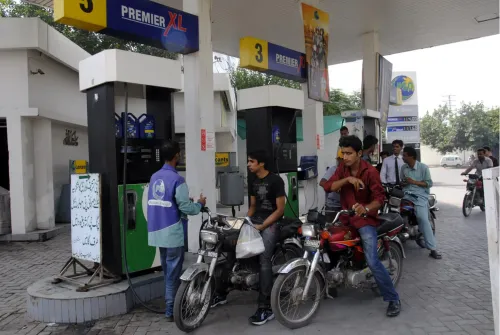
Pakistan is confronting a severe natural gas shortage after disruptions to liquefied natural gas (LNG) supplies from Qatar — triggered by the ongoing Middle East conflict that has effectively choked the Strait of Hormuz — began squeezing the country's energy infrastructure, according to reports. The crisis is threatening households, factories, power plants, and fertiliser producers as winter demand approaches.
Scale of the Supply Gap
According to data from Pakistan's electricity system and market operator, the power sector alone could require as much as 400 million cubic feet of gas per day during the winter months. Yet only two LNG cargoes had been confirmed for September, each containing roughly 140,000 cubic metres — equivalent to just over a week's supply. That gap between projected demand and confirmed delivery underscores the urgency of the situation.
Pakistan has been actively scouting alternative LNG cargoes on international spot markets, but the timing could hardly be worse. Spot LNG prices have surged to approximately $30 per million British thermal units, meaning any replacement volumes will come at a steep premium. Buying at those prices risks driving up both electricity bills and industrial gas tariffs, adding inflationary pressure to an economy already under stress.
Emergency Measures Already Underway
Confronting immediate power shortfalls, Pakistani authorities have run furnace-oil-fired power plants at full capacity and deferred scheduled maintenance at certain nuclear power plants. Authorities reported a power shortfall of around 3,400 megawatts at one point, partly compounded by lower-than-normal hydropower generation. These are stop-gap measures, not structural fixes, and analysts warn they cannot be sustained through a full winter without adequate gas.
Diplomatic Track to Reopen the Route
According to officials cited in regional reports, Islamabad has invoked diplomatic channels with Qatar, Iran, and the United States to facilitate the passage of Qatari LNG cargoes covered by long-term contracts through the Strait of Hormuz. The effort faces a practical obstacle beyond state-level diplomacy, however: whether vessel crews and marine insurers are willing to operate under current security conditions in the strait remains an open question, and commercial operators ultimately make that call independently of governments.
Industrial Sector Sounds the Alarm
Pakistan's industrial community is watching the situation with growing anxiety. Business groups warn that prolonged shortages through the winter could disrupt production and, in a worst case, force factory closures. Federation of Pakistan Chambers of Commerce and Industry President Mian Nasser Hyatt Maggo said that managing the balance between gas demand and supply was the government's direct responsibility, and that cargoes needed to be secured well in advance to prevent production disruptions. This comes amid an existing environment of high energy costs, meaning manufacturers have limited cushion to absorb further shocks.
Why This Winter Is Critical
The pressure is set to intensify. Gas demand typically rises sharply in winter as households increase consumption for heating, adding a residential load on top of existing industrial and power-sector requirements. Imported LNG accounted for roughly one-fifth of Pakistan's total gas consumption between July 2025 and March 2026, according to official data, underscoring how dependent the country's energy mix has become on uninterrupted seaborne supply. Any prolonged disruption to that pipeline now carries economy-wide consequences. How quickly Islamabad can secure alternative cargoes — and at what cost — will define Pakistan's energy stability heading into the coldest months.
Point of View
Yet the country has no meaningful strategic storage, limited alternative pipeline access, and a power mix that leans dangerously on a single import corridor. The diplomatic outreach to Qatar, Iran, and the United States is sensible but not sufficient — commercial insurers and vessel operators, not governments, will ultimately decide whether ships sail. What this crisis exposes is the cost of years of deferred energy diversification: when the chokepoint closes, there is no buffer. The industrial sector's warning about factory closures is not alarmist; it is an accurate read of a system with no slack left.
NationPress
12 Oct 2026
Frequently Asked Questions
Why is Pakistan facing a natural gas shortage in 2026?
Pakistan's gas shortage stems from disruptions to LNG supplies from Qatar caused by the ongoing Middle East conflict, which has restricted shipping through the Strait of Hormuz. With limited alternative supply and soaring spot prices, the country is struggling to meet winter demand.
How serious is Pakistan's power shortfall?
Authorities reported a power shortfall of around 3,400 megawatts, partly linked to lower hydropower output. To compensate, furnace-oil-fired power plants have been run at full capacity and maintenance at some nuclear plants has been deferred.
How much does Pakistan depend on imported LNG?
Imported LNG accounted for approximately one-fifth of Pakistan's total gas consumption between July 2025 and March 2026, according to official data. The power sector alone may require up to 400 million cubic feet of gas per day during the winter months.
What is Pakistan doing to resolve the LNG crisis?
Pakistan is seeking alternative LNG cargoes on international spot markets and has engaged Qatar, Iran, and the United States diplomatically to reopen passage through the Strait of Hormuz. However, spot LNG prices have risen to around $30 per million British thermal units, making emergency purchases expensive.
How does the crisis affect Pakistani industry?
Pakistan's industrial sector, which depends on reliable gas for factory operations, faces the risk of production disruptions and possible closures if shortages persist through winter. The Federation of Pakistan Chambers of Commerce and Industry has called on the government to secure cargoes urgently to prevent factory shutdowns.