CM Bhupendra Patel Spotlights Chhota Udaipur Women's NRLM Success
Synopsis
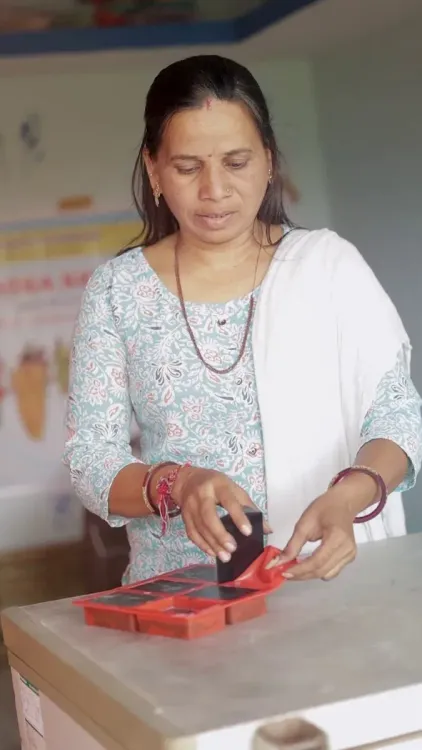
Gujarat CM Bhupendra Patel shared how Hansaben Rathwa's Dhruvika Sakhi Mandal in Chhota Udaipur used an NRLM revolving fund to launch a herbal-products business, turning ten women into financially independent entrepreneurs selling online and at fairs.
Key Takeaways
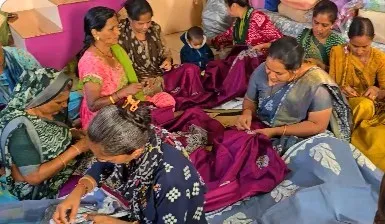
Hansaben Rathwa of Chhota Udaipur district leads the Dhruvika Sakhi Mandal , a women's self-help group of 10 members .
The group received a revolving fund under the National Rural Livelihoods Mission (NRLM) to start their enterprise.
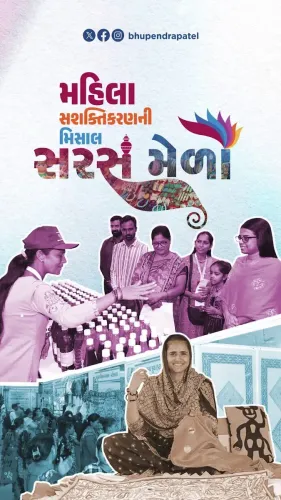
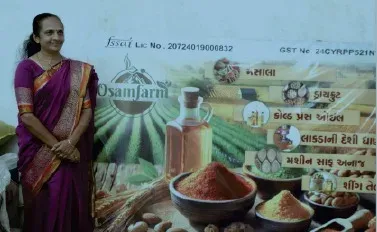
Members now produce and sell herbal products, soaps, and shampoos at local fairs and online .
CM Patel describes the women's journey from social hesitancy to confident entrepreneurship as the scheme's defining outcome.
The post is part of the BJP's #SevaSankapAbhiyaan and #SevaKiKahani campaigns marking PM Modi's 25 years of public service .
From hesitating to step outside their homes to running a thriving herbal-products business — ten women from Chhota Udaipur district, Gujarat, have rewritten their own story, and Gujarat Chief Minister Bhupendra Patel shared it with the nation on Monday, October 12, 2026.
The CM's post, written in Gujarati, centres on Hansaben Rathwa, who leads the 'Dhruvika Sakhi Mandal' — a self-help group that has become a small enterprise in its own right. Under the National Rural Livelihoods Mission (NRLM), the group received a revolving fund that seeded a cottage industry producing herbal products, soaps, and shampoos.
From a Revolving Fund to a Running Business
The revolving-fund model at the heart of NRLM is straightforward but powerful: a seed amount is lent to a group, repaid, then re-lent — keeping capital in circulation without dependency on fresh grants. For Dhruvika Sakhi Mandal's 10 members, that capital unlocked a product line they now sell both at local fairs and online, reaching buyers well beyond Chhota Udaipur.
CM Patel quoted Hansaben's own words in the post: 'Sakhi Mandal thaki baheno aarthik rite saddhar bani chhe ane temno aatmavishwas pan khub vadhyo chhe' — 'Through the Sakhi Mandal, women have become financially strong and their self-confidence has grown greatly.' That self-confidence, the CM notes, is the real headline: women who once hesitated to speak in public now negotiate sales and manage accounts.
Hansaben's Gratitude and the '25 Years of Service' Frame
The post carries a deliberate political inflection. Hansaben is quoted thanking Prime Minister Narendra Modi's government for economically and socially empowering rural women. CM Patel then frames this grassroots success as the 'true fruit' (faḷashrutiḥ) of Modi's 25 uninterrupted years of public service — a reference to the BJP's ongoing #SevaSankapAbhiyaan and #SevaKiKahani campaigns, which collect and amplify stories of citizens whose lives have changed under the party's governments in Gujarat and at the Centre.
The campaigns serve a dual purpose: documenting tangible outcomes of flagship schemes, and building a narrative around Modi's political anniversary as Gujarat CM (2001) through his current tenure as PM — a span the BJP marks as a continuous arc of governance.
NRLM's Reach and the Sakhi Mandal Network
The National Rural Livelihoods Mission, launched by the Central government, is among India's largest poverty-alleviation programmes, working through a network of women's self-help groups — called Sakhi Mandals in Gujarat — across rural districts. The programme provides training, revolving funds, and linkages to bank credit. Tribal districts like Chhota Udaipur, with significant Adivasi populations including the Rathwa community to which Hansaben belongs, are priority zones for NRLM outreach.
Stories like Dhruvika Sakhi Mandal's — small in scale, specific in detail — are precisely the kind the government leans on to demonstrate last-mile delivery of welfare schemes. Whether measured in rupees earned or in a woman walking into a fair to sell her own product, the metrics are human-sized. That is the point.
Point of View
Real woman from a tribal district carry the political message, which gives it credibility that a press release cannot. Anchoring her gratitude explicitly to Modi's 25-year governance arc ties a micro-story to a macro-campaign, amplifying both. The choice of Chhota Udaipur — an Adivasi-majority district — signals deliberate outreach to a demographic the party has worked to consolidate in Gujarat. Expect more such stories as the #SevaSankapAbhiyaan campaign builds through the political season.
NationPress
12 Oct 2026
Frequently Asked Questions
What is the Dhruvika Sakhi Mandal in Chhota Udaipur?
The Dhruvika Sakhi Mandal is a women's self-help group of 10 members in Chhota Udaipur district, Gujarat, led by Hansaben Rathwa. Using a revolving fund from the National Rural Livelihoods Mission, the group manufactures and sells herbal products, soaps, and shampoos at fairs and online.
What is NRLM and how does the revolving fund work?
The National Rural Livelihoods Mission (NRLM) is a Central government scheme that organises rural women into self-help groups and provides them training, seed capital (revolving funds), and bank-credit linkages. The revolving fund is lent to a group, repaid, and re-lent to keep capital circulating without fresh grants each time.
What is the BJP's SevaSankapAbhiyaan campaign?
SevaSankapAbhiyaan is a BJP campaign that collects and publicises stories of citizens whose lives have improved under PM Narendra Modi's governance, framing them as evidence of 25 uninterrupted years of public service by the PM — from his time as Gujarat CM to his current term.
Who is Hansaben Rathwa?
Hansaben Rathwa is a woman from Chhota Udaipur district in Gujarat who heads the Dhruvika Sakhi Mandal. She belongs to the Rathwa Adivasi community and has used NRLM support to build a small herbal-products business with nine other women from her group.
Why did Gujarat CM Bhupendra Patel share this story?
CM Patel shared the story as part of the BJP's #SevaSankapAbhiyaan and #SevaKiKahani social-media campaigns, using Hansaben's journey to illustrate the grassroots impact of government welfare schemes and to pay tribute to PM Modi's 25-year governance milestone.