Gujarat CM Office Highlights Lakhpati Didi Success Stories
Synopsis
The Chief Minister's Office of Gujarat showcased two rural women — a Navsari canteen operator and a Kheda sherbet entrepreneur — as Lakhpati Didi success stories, underlining how PM Modi's women-led development push is turning SHG members into lakhpatis and a pillar of rural economic growth.
Key Takeaways
The Chief Minister's Office of Gujarat posted on June 9, 2026 highlighting Lakhpati Didi beneficiaries under the #12YearsOfSeva campaign.
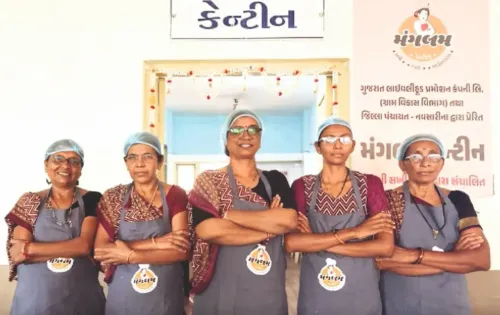
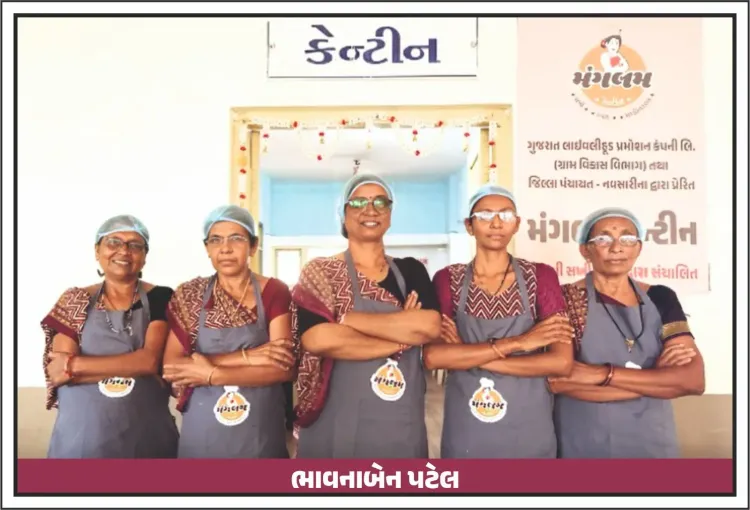
Bhavanaben Patel of Navsari runs a collectorate canteen and catering service through her Sakhi Mandal .
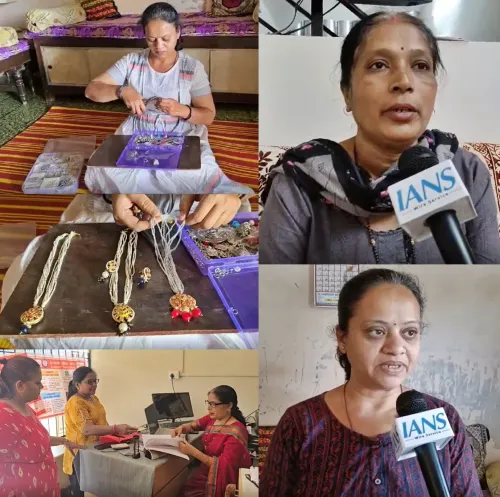
Shilpaben Pandya of Kheda district operates a natural sherbet business and has achieved Lakhpati Didi status.
The Lakhpati Didi target — annual earnings of at least Rs 1 lakh for SHG women — was formalised nationally in 2022-23 under DAY-NRLM .
Gujarat's Sakhi Mandals channel women into service-sector micro-enterprises, linking them to institutional buyers for steady income.
The CMO frames rural women's earnings as a structural driver of India's broader economic progress, not merely a welfare outcome.
The Chief Minister's Office of Gujarat on Tuesday, June 9, 2026, spotlighted women entrepreneurs from Navsari and Kheda districts as emblematic of the Lakhpati Didi initiative's reach, crediting the scheme with transforming rural women into economically self-reliant contributors to India's growth story.
The post, shared under the hashtag #12YearsOfSeva, states that under the leadership of Prime Minister Narendra Modi, the 'women-led development' approach — 'વિમેન-લેડ ડેવલપમેન્ટ' — has made the rural economy a foundation of the country's economic progress. It names two specific beneficiaries as examples of women who have realised their dreams of financial independence and self-respect through the scheme.
Context
Bhavanaben Patel of Navsari runs a canteen at the district collectorate office and provides catering services alongside fellow members of her Sakhi Mandal — Gujarat's network of women's self-help groups. Shilpaben Pandya of Kheda district has built a business around natural sherbets. Both are cited as women who have achieved 'Lakhpati Didi' status, meaning they now earn at least Rs 1 lakh annually through micro-enterprise activity. The CMO's post frames their journeys as moving from 'આત્મનિર્ભરતા' (self-reliance) to 'આત્મસન્માન' (self-respect) — a formulation that mirrors the broader national narrative linking economic empowerment with dignity.Policy Backdrop
The Lakhpati Didi scheme operates under the Deendayal Antyodaya Yojana – National Rural Livelihoods Mission (DAY-NRLM), launched in 2011 by the Ministry of Rural Development to organise rural households into self-help groups and connect them to sustainable income streams. The specific target of making women in SHGs 'lakhpatis' — earning over Rs 1 lakh per year — was formalised as a national goal in 2022-23 to scale women-led micro-enterprises across states. Gujarat's Sakhi Mandals have been a long-standing vehicle for this mission, channelling women into service sectors such as catering, food processing, and retail — activities that require low capital but generate steady income when linked to government or institutional buyers such as district offices.Stakeholders and Impact
The primary beneficiaries are rural women, particularly those from lower-income households who join self-help groups as their first formal economic engagement. By securing institutional contracts — such as running a government canteen — SHG members gain predictable revenue, which underpins the 'lakhpati' threshold. The broader rural economy benefits as women's earnings circulate locally through consumption and reinvestment in small enterprises. Policymakers position this multiplier effect as evidence that women-led development is not merely a welfare measure but a structural driver of rural GDP growth — a framing the CMO's post explicitly adopts.What's Next
The Ministry of Rural Development periodically releases updated beneficiary counts through its annual NRLM reports, which will indicate how many women in Gujarat and nationally have crossed the lakhpati threshold. State governments, including Gujarat, are expected to expand similar catering, food-processing, and service-enterprise models through upcoming rural livelihood mission cycles. The #12YearsOfSeva tag suggests this post is part of a broader commemoration series, implying further profiling of beneficiaries and scheme milestones in the coming days.Point of View
Timed to a '12 years of seva' milestone that serves both commemorative and electoral-narrative purposes. By naming specific women with relatable occupations — a canteen operator and a sherbet maker — the communication moves the Lakhpati Didi scheme from abstract policy to lived testimony, a format proven to resonate with vernacular audiences. The framing that rural women's incomes are now a 'foundation of national economic progress' is a deliberate elevation of welfare optics into macroeconomic credibility. Watch for similar state-CMO amplification campaigns as the scheme's beneficiary count becomes a key metric in pre-election development narratives.
NationPress
21 Sept 2026
Frequently Asked Questions
What is the Lakhpati Didi scheme?
Lakhpati Didi is a target under the Deendayal Antyodaya Yojana – National Rural Livelihoods Mission (DAY-NRLM) that aims to help women in self-help groups earn at least Rs 1 lakh annually through micro-enterprises. The goal was formalised as a national priority in 2022-23 by the Ministry of Rural Development.
Who are Bhavanaben Patel and Shilpaben Pandya?
Bhavanaben Patel is a Navsari resident who runs a canteen at the district collectorate and provides catering services through her Sakhi Mandal. Shilpaben Pandya is from Kheda district and runs a natural sherbet business. Both were named by the Gujarat CMO as Lakhpati Didi beneficiaries.
What are Sakhi Mandals in Gujarat?
Sakhi Mandals are Gujarat-based women's self-help groups that organise rural women into collectives for micro-enterprise and service activities. They operate under the broader DAY-NRLM framework and connect members to income-generating opportunities such as catering, food processing, and retail.
What is DAY-NRLM and when was it launched?
The Deendayal Antyodaya Yojana – National Rural Livelihoods Mission (DAY-NRLM) was launched in 2011 by India's Ministry of Rural Development to promote self-help groups among rural households and link them to sustainable livelihoods.
What does the hashtag 12YearsOfSeva refer to?
The hashtag #12YearsOfSeva appears to mark a 12-year milestone associated with a governance or service period, used by the Gujarat CMO to frame posts celebrating policy achievements including the Lakhpati Didi scheme.