Gujarat's Lakhpati Didi scheme: 5.96 lakh rural women cross ₹1 lakh income mark
Synopsis
Gujarat's Lakhpati Didi count has crossed 5.96 lakh — nearly 60% of the 10 lakh target — with individual beneficiaries like Bhavana Patel earning over ₹10 lakh annually through SHG-backed canteen and catering ventures. The numbers signal meaningful rural income growth, but independent income verification remains an open question.
Key Takeaways
5.96 lakh women in Gujarat have achieved Lakhpati Didi status, crossing the ₹1 lakh annual household income threshold.
The Gujarat Livelihood Promotion Company has identified 10 lakh potential beneficiaries under the scheme.
124 master trainers at district and taluka levels have trained over 10,000 Community Resource Persons including Krishi Sakhis, Pashu Sakhis, and Bank Sakhis.
Bhavana Patel of Navsari district earns a total of ₹10.16 lakh annually through canteen, catering, and agriculture.
Shilpa Pandya of Kheda district runs a food processing enterprise generating approximately ₹10 lakh per year.
The initiative is implemented under DAY-NRLM , which provides training, credit access, and market linkages through self-help groups.
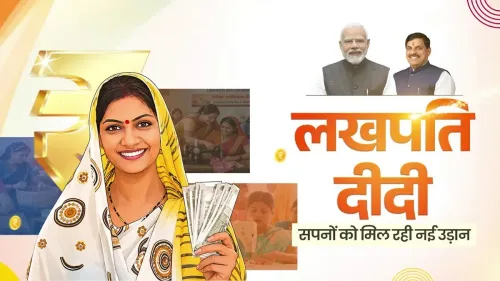
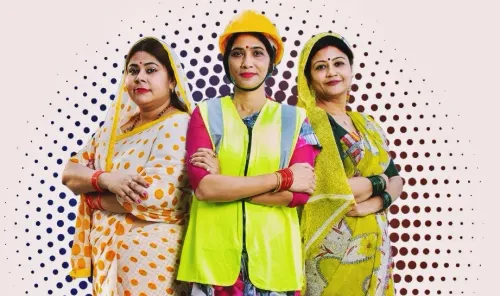
Gujarat has recorded 5.96 lakh women achieving 'Lakhpati Didi' status as of June 2025, crossing the annual household income threshold of ₹1 lakh under the central government's rural livelihood programme. The milestone, reported by state officials in Gandhinagar, reflects the scale of self-help group-based income generation across rural Gujarat under the Deendayal Antyodaya Yojana-National Rural Livelihoods Mission (DAY-NRLM).
Scale of the Initiative
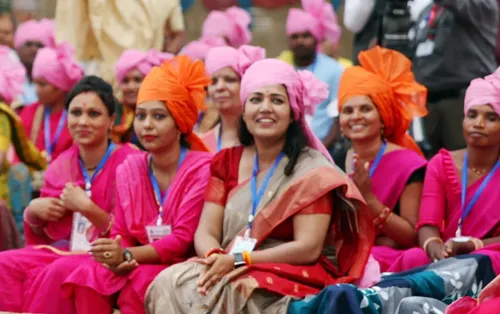
The Gujarat Livelihood Promotion Company has identified 10 lakh potential beneficiaries under the Lakhpati Didi initiative statewide. Of these, 5.96 lakh women have already met the income benchmark, according to official figures. The scheme provides rural women with training, access to credit, financial support, and market linkages through self-help groups (SHGs).
To drive implementation, the state has deployed 124 master trainers at district and taluka levels. These trainers — who received instruction from national-level resource persons — have in turn trained more than 10,000 Community Resource Persons, including Krishi Sakhis, Pashu Sakhis, and Bank Sakhis.
Women Behind the Numbers
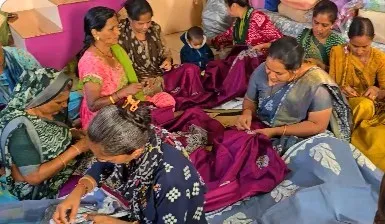
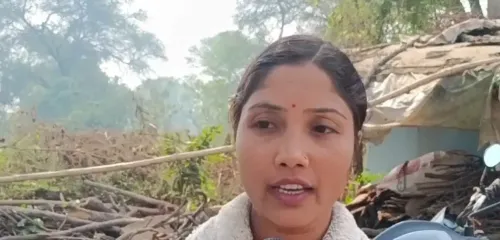
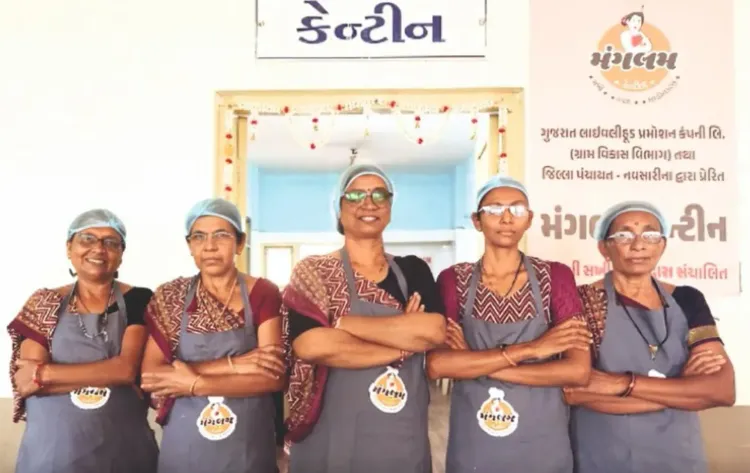
Bhavana Patel of Nogama village in Navsari district's Chikhli taluka joined the Gayatri Sakhi Mandal in 2014 and began canteen and catering services after attending National Rural Livelihood Mission programmes. She now operates a canteen at the Navsari Collector's Office alongside her SHG members. According to official figures, her income streams — ₹2 lakh from the canteen, ₹5 lakh from catering, ₹1 lakh from agriculture, and ₹2.16 lakh from other sources — add up to a total annual income of ₹10.16 lakh.
Shilpa Pandya of Nenpur village in Kheda district's Mehmedabad taluka has built a food processing enterprise producing natural syrups in lemon, strawberry, guava, and panchamrut flavours. A member of the Shilpa Sakhi Mandal since 2010, she expanded her business after completing food processing training at the Rural Self-Employment Training Institute (R-SETI). Her enterprise now generates approximately ₹10 lakh annually, according to state officials, while also creating employment for other women in her area.
Policy Context
The Lakhpati Didi initiative sits within a wider ecosystem of central government programmes targeting women's financial inclusion — including the Pradhan Mantri Jan Dhan Yojana, PM Mudra Yojana, Ujjwala Yojana, PM Awas Yojana, and Beti Bachao Beti Padhao. The Gujarat milestone is being cited by officials in the context of 12 years of policy focus on women-led development under the current central government.
Notably, Gujarat's progress — with nearly 60% of the identified 10 lakh target already reached — positions the state as one of the more advanced performers under DAY-NRLM, though independent verification of income claims has not been detailed in official communications.
What Comes Next
State officials indicated that efforts to bring the remaining identified beneficiaries up to Lakhpati Didi status are ongoing, with the community resource network expected to play a central role in outreach. The experiences of women such as Bhavanaben and Shilpaben are being used as replicable models to encourage SHG-based enterprise formation across rural Gujarat.
Point of View
Set some years ago, still represents a meaningful poverty-exit benchmark given inflation. The individual stories of Bhavana Patel and Shilpa Pandya are compelling, but scaling SHG enterprise models from showcase cases to systemic outcomes requires sustained market linkage support — something DAY-NRLM has historically struggled to maintain beyond the training phase.
NationPress
19 Sept 2026
Frequently Asked Questions
What is the Lakhpati Didi scheme in Gujarat?
The Lakhpati Didi scheme recognises rural women who achieve an annual household income of ₹1 lakh or more through self-help group-based livelihoods. Implemented under the Deendayal Antyodaya Yojana-National Rural Livelihoods Mission (DAY-NRLM), it provides training, credit access, and market linkages to SHG members across rural Gujarat.
How many women have achieved Lakhpati Didi status in Gujarat?
As of June 2025, 5.96 lakh women in Gujarat have crossed the ₹1 lakh annual income threshold and been recognised as Lakhpati Didis. The Gujarat Livelihood Promotion Company has identified a total of 10 lakh potential beneficiaries under the initiative.
Who are the Community Resource Persons trained under the scheme?
The scheme has trained over 10,000 Community Resource Persons including Krishi Sakhis (agriculture), Pashu Sakhis (animal husbandry), and Bank Sakhis (financial services). They were trained by 124 master trainers deployed at district and taluka levels across Gujarat.
How much do individual Lakhpati Didi beneficiaries earn?
Earnings vary widely. Bhavana Patel of Navsari district earns ₹10.16 lakh annually from canteen operations, catering, agriculture, and other sources. Shilpa Pandya of Kheda district earns approximately ₹10 lakh annually from her natural syrup food processing enterprise.
Which central government programmes support the Lakhpati Didi initiative?
The Lakhpati Didi initiative is implemented under DAY-NRLM and is complemented by broader programmes including Pradhan Mantri Jan Dhan Yojana, PM Mudra Yojana, Ujjwala Yojana, PM Awas Yojana, and Beti Bachao Beti Padhao, all aimed at women's financial inclusion and entrepreneurship.