Gujarat launches ₹25 crore scheme to put Sakhi Mandals on global e-commerce
Synopsis
Gujarat is betting ₹25 crore that regulatory paperwork — not product quality — is what keeps rural women's SHGs off e-commerce platforms. The Marketing Support Scheme pays for GST registration, FSSAI licences, and PAN cards, then adds ₹20 per order to keep Sakhi Mandals selling digitally. It is a market-linkage model, not just a welfare transfer — and that distinction matters.
Key Takeaways
The Gujarat government launched a ₹25 crore Marketing Support Scheme on 30 July to connect Sakhi Mandals with domestic and international e-commerce markets.
Eligible SHGs can claim up to ₹15,000 for GST registration, ₹10,000 for FSSAI licence, and ₹2,000 for PAN card registration.
An online sales incentive of ₹20 per order is available, with lifetime assistance capped at ₹5 lakh per Sakhi Mandal.
The scheme will be implemented by the Gujarat Livelihood Promotion Company Limited (GLPC) during the 2026-27 financial year .
Rekha Pethani of Patanvav village, who started with a ₹1.5 lakh bank loan in 2016, now earns more than ₹10.96 lakh annually — cited as the model the scheme aims to replicate.
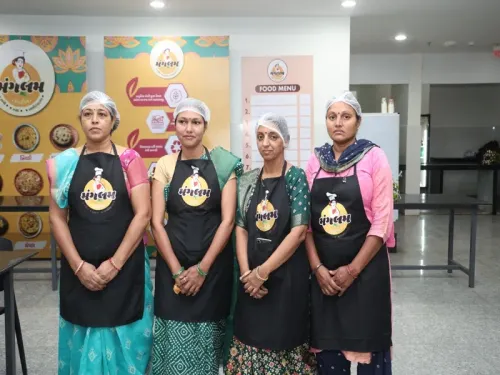
The Gujarat government on 30 July launched a ₹25 crore Marketing Support Scheme to help women-led Self-Help Groups (SHGs), locally known as Sakhi Mandals, sell their products through domestic and international e-commerce platforms. The initiative, to be implemented in the 2026-27 financial year by the Gujarat Livelihood Promotion Company Limited (GLPC), marks a deliberate shift from fair-and-exhibition selling to digital commerce for rural women entrepreneurs across the state.
What the Scheme Offers
Eligible Sakhi Mandals will receive financial assistance to clear the regulatory hurdles that have historically kept rural producers off digital marketplaces. Specific subsidies include up to ₹15,000 for GST registration, up to ₹10,000 for obtaining a Food Safety and Standards Authority of India (FSSAI) licence, and up to ₹2,000 for PAN card registration where required for business operations.
Beyond compliance support, the scheme offers an online sales incentive of ₹20 per order. Each Sakhi Mandal is eligible for lifetime assistance of up to ₹5 lakh under the programme.
Political Leadership Behind the Push
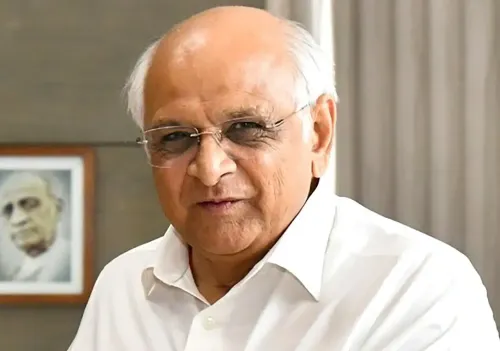
The scheme has been introduced under the leadership of Chief Minister Bhupendra Patel, with guidance from Rural Development Minister Kunvarji Bavaliya and Minister of State Sanjaysinh Mahida. The government framed the initiative as a direct contribution to the national 'Lakhpati Didi' goal — a central government target to raise the income of rural women above ₹1 lakh per year.
From Local Fairs to Global Markets
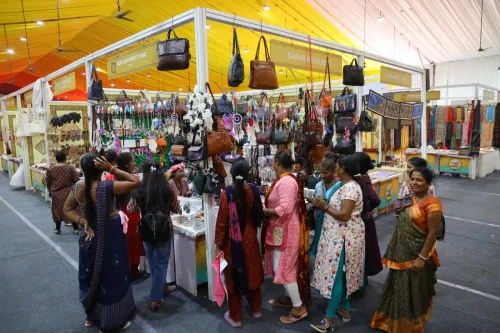
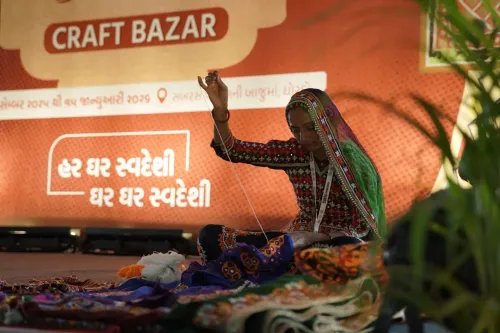
Until now, products made by many SHGs were sold almost exclusively through local fairs, exhibitions, and community events — channels with limited reach and seasonal revenue. The new scheme is designed to plug rural women into year-round digital demand, connecting them to customers across India and, potentially, overseas buyers.
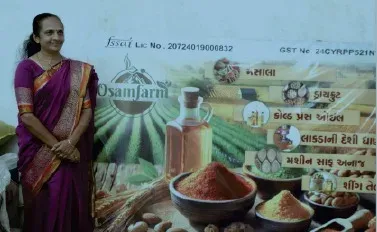
The government cited the example of Rekha Pethani, president of the Osam Sakhi Mandal in Patanvav village, Dhoraji taluka, Rajkot district, as an illustration of the model's potential. Rekha joined a Self-Help Group in 2016, trained in food processing through Rural Self-Employment Training Institutes (RSETI), and launched a traditional spices business with a bank loan of ₹1.5 lakh. The enterprise now employs other local women and generates an annual income of more than ₹10.96 lakh.
Broader Context and What Comes Next
Gujarat has one of India's more active SHG networks, and the GLPC has previously channelled livelihood support to rural communities. This scheme, however, represents a notable pivot toward market linkage rather than production support alone — a distinction that development economists argue is critical for SHG sustainability.
Implementation guidelines are expected to be rolled out by the GLPC in the coming weeks. How many Sakhi Mandals ultimately enrol, and whether the per-order incentive structure proves sufficient to sustain digital selling behaviour, will determine whether the ₹25 crore outlay translates into measurable income gains at scale.
Point of View
Equipment, raw-material loans. Gujarat's Marketing Support Scheme is unusual in that it targets the compliance and distribution bottleneck: GST registration, FSSAI licensing, and per-order digital incentives. That is a more sophisticated intervention. The risk, however, is that a ₹20-per-order incentive may be too thin to sustain digital selling once the novelty fades and platform fees, logistics costs, and returns eat into margins. The Rekha Pethani example is compelling, but she built her business over nearly a decade; the scheme's 2026-27 implementation window is far shorter. Whether GLPC has the bandwidth to hand-hold thousands of first-time digital sellers — not just disburse subsidies — will be the real test of this ₹25 crore bet.
NationPress
14 Sept 2026
Frequently Asked Questions
What is Gujarat's Marketing Support Scheme for Sakhi Mandals?
It is a ₹25 crore government initiative launched on 30 July to help women-led Self-Help Groups, known as Sakhi Mandals, sell their products through domestic and international e-commerce platforms. The scheme covers compliance costs such as GST and FSSAI registration and offers a ₹20-per-order online sales incentive, with lifetime support of up to ₹5 lakh per group.
Who is implementing the scheme and when does it start?
The Gujarat Livelihood Promotion Company Limited (GLPC) will implement the scheme during the 2026-27 financial year. It has been launched under Chief Minister Bhupendra Patel, with Rural Development Minister Kunvarji Bavaliya and Minister of State Sanjaysinh Mahida providing guidance.
What financial assistance can a Sakhi Mandal receive?
Eligible Sakhi Mandals can receive up to ₹15,000 for GST registration, up to ₹10,000 for an FSSAI food safety licence, and up to ₹2,000 for PAN card registration. Additionally, they earn ₹20 for every online order, with total lifetime assistance capped at ₹5 lakh per group.
Why were Sakhi Mandals not selling online before this scheme?
Most SHG products were sold through local fairs and exhibitions, with limited reach and seasonal revenue. Regulatory requirements such as GST registration and FSSAI licensing posed cost and complexity barriers that the new scheme is specifically designed to remove.
Who is Rekha Pethani and why is her story relevant?
Rekha Pethani is the president of the Osam Sakhi Mandal in Patanvav village, Rajkot district. She joined a Self-Help Group in 2016, trained in food processing through RSETI, and grew a traditional spices business — started with a ₹1.5 lakh bank loan — into an enterprise earning more than ₹10.96 lakh annually. The Gujarat government cites her as an example of the income potential the new scheme aims to replicate at scale.