Pakistan's Power Crisis Deepens Amid War in Iran and Domestic Challenges

Synopsis
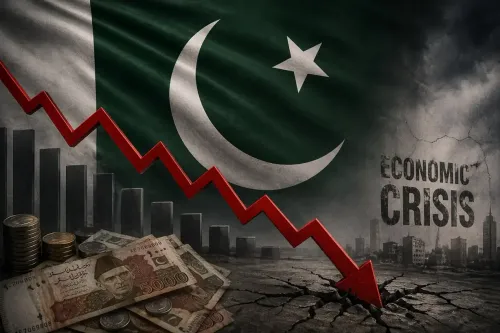
As Pakistan braces for a critical energy shortage with LNG supplies dwindling to near zero, the country faces a precarious situation. The anticipated power cuts and rising fuel costs highlight the urgent need for effective demand management and strategic adjustments in energy policy.
Key Takeaways
LNG supplies in Pakistan are expected to drop to nearly zero.
Coal availability is under significant pressure, affecting around 30% of power supply.
The government plans to implement daily load-shedding and higher tariffs.
Domestic mismanagement has compounded the energy crisis.
Effective demand management is crucial for mitigating future crises.
New Delhi, April 3 (NationPress) Pakistan is set to see its LNG supplies plummet to nearly zero starting next month, which will eliminate a vital source accounting for more than one-fifth of its overall power generation. Additionally, the availability of coal is facing significant challenges, collectively impacting nearly 30 percent of the country's energy supply, as reported by local media.
The alternative option, furnace oil, comes at a prohibitive cost, with the expenses of generation soaring beyond those of gas or coal-based methods. The structural shocks influencing this scenario are beyond any policy's reach to mitigate in the short term, as highlighted in an article by the Karachi-based Business Recorder.
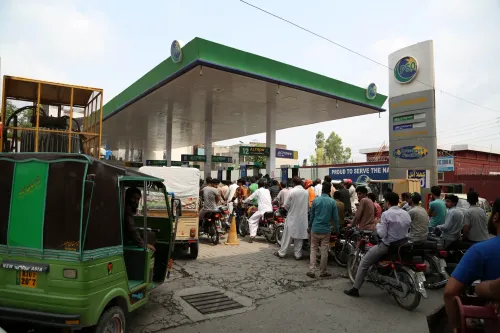
The government of Pakistan plans to implement two to three hours of daily load-shedding, increase tariffs, and promote conservation efforts. However, the success of these measures hinges more on their execution than on their design, the article noted.
Simple initiatives such as enforcing early market closures or limiting high-energy commercial lighting are neither new nor difficult to execute. These strategies have previously shown measurable benefits. Their absence from the core strategy indicates that the adjustment burden may disproportionately affect households and industries, rather than address inefficient consumption patterns.
The article further emphasizes that domestic mismanagement has worsened the crisis, citing disputes between Pakistan Railways and essential coal-fired power plants that jeopardize 1,500 to 1,800 megawatts of electricity generation. This situation is not a result of external forces but an entirely preventable disruption. Issues with coal transport, such as loading refusals and logistical delays, are threatening plants critical for maintaining grid stability. The persistence of these problems amid a supply shortage highlights deeper administrative failings.
A decrease in coal supply could lead to additional load-shedding beyond current plans and increase reliance on costlier fuels. Concurrently, Pakistan Railways risks losing a substantial portion of its freight revenue, creating a scenario where inefficiency adversely affects multiple sectors.
While the immediate crisis may have been sparked by external factors, its intensity will ultimately be dictated by domestic decisions. Effectively managing demand and eliminating unnecessary disruptions are as crucial as securing fuel supplies. Without achieving this balance, the system will remain reactive, and the costs associated with each crisis will only escalate.
Point of View
It is clear that while external events may trigger crises, the responsibility lies within our borders. The need for immediate actions against domestic inefficiencies and the intelligent management of resources is paramount in averting further deterioration of the energy landscape in Pakistan.
NationPress
12 Oct 2026
Frequently Asked Questions
What is causing the energy crisis in Pakistan?
The crisis is primarily driven by a drastic drop in LNG supplies and challenges in coal availability, exacerbated by domestic mismanagement.
How much of Pakistan's power generation relies on LNG?
LNG contributes to over one-fifth of Pakistan's total power generation.
What measures is the government taking to address the crisis?
The government plans to implement load-shedding, increase tariffs, and promote conservation measures.
What are the expected consequences of reduced coal supply?
Reduced coal supply may lead to additional load-shedding and an increased reliance on more expensive fuels.
How does domestic mismanagement contribute to the energy crisis?
Disputes and logistical issues involving Pakistan Railways and power plants have created avoidable disruptions, worsening the crisis.