From Surplus to Shortage: The Impact of West Asia's Conflict on Pakistan's LNG Market
Synopsis
Pakistan's energy sector faces unprecedented challenges as geopolitical tensions in West Asia shift its LNG landscape from surplus to critical shortage. Discover how global conflicts are reshaping energy dynamics and impacting one nation's energy security.
Key Takeaways
Pakistan's energy sector is facing a critical transition due to geopolitical events.
The country moved from an LNG surplus to a significant shortage in a matter of weeks.
Demand for LNG has been declining due to increased adoption of solar energy and reduced industrial output.
Geopolitical conflicts in West Asia have severe implications for global energy flows and security.
Qatar's LNG production has been impacted, affecting supply commitments worldwide.
New Delhi, April 4 (NationPress) Pakistan’s energy landscape has been rocked by a sudden geopolitical upheaval, transforming the nation’s liquefied natural gas (LNG) market from a state of excess to a severe deficit in just a matter of weeks, as reported.
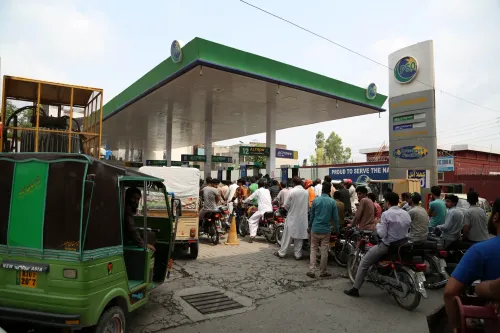
At the beginning of 2026, Pakistan faced an LNG surplus, with demand dwindling steadily over the previous three years, plummeting from 8.2 million tonnes in 2021 to approximately 6.1 million tonnes by late 2025, according to an Al Jazeera report.
This decline was primarily fueled by the swift adoption of solar energy and a downturn in industrial activities, which collectively slashed gas consumption.
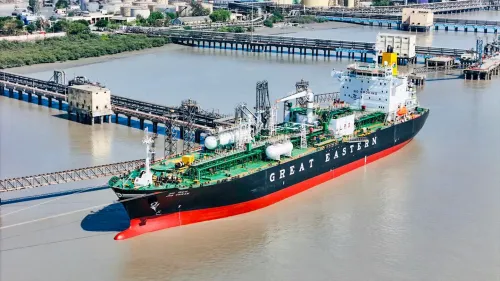
In response to the surplus, officials discreetly redirected excess LNG shipments to international markets and even suspended operations at domestic gas wells to mitigate pressure in the pipelines.
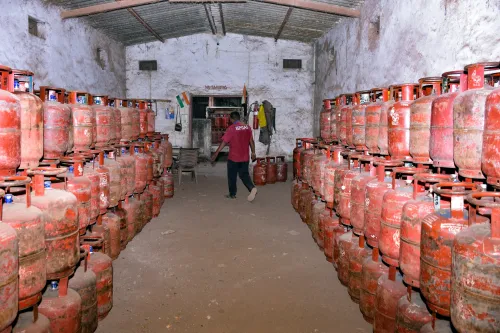
Gas that could not be redirected was funneled into residential networks at a financial loss, exacerbating the already soaring circular debt within the energy sector.
However, a dramatic shift occurred following a significant conflict in West Asia. On February 28, the United States and Israel initiated a large-scale military campaign against Iran, setting off a chain reaction that disrupted global energy supplies.
In retaliation, Iran executed missile and drone strikes throughout the region, resulting in a near-complete halt of traffic through the crucial Strait of Hormuz, a vital corridor that accounts for roughly one-fifth of global oil and gas transportation.
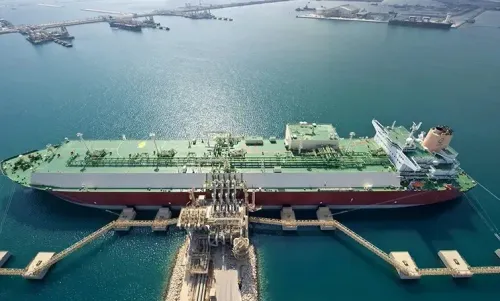
The immediate repercussions for global gas markets were profound. On March 2, Iranian drones targeted key installations at Ras Laffan Industrial City, compelling Qatar to suspend operations at the world’s largest LNG export facility.
QatarEnergy declared force majeure, halting its supply commitments due to these extraordinary circumstances, as reported.
The conflict intensified further with Israel's attack on Iran’s extensive South Pars gas field on March 18.
This field shares an underground reservoir with Qatar’s North Field, leading to heightened concerns about prolonged disruptions in production in both nations.
Additional retaliatory strikes further compromised infrastructure at Ras Laffan, prompting Qatar to reduce LNG output by 17 percent, with repairs anticipated to take years.
Point of View
It's imperative to recognize the intricate relationship between global geopolitics and national energy security. The recent conflict in West Asia has far-reaching implications for Pakistan's LNG market, emphasizing the need for a proactive approach to energy management.
NationPress
20 Sept 2026
Frequently Asked Questions
What triggered Pakistan's LNG crisis?
The crisis was triggered by geopolitical conflicts in West Asia, particularly the military operations involving the US and Israel against Iran, which disrupted global energy supplies.
How has Pakistan's LNG market changed recently?
Pakistan's LNG market shifted from a surplus to a shortage within weeks due to declining demand and external geopolitical shocks.
What impact did the conflict in West Asia have on global gas markets?
The conflict led to significant disruptions in global gas supply chains, including halts in production at major LNG facilities.
What measures did Pakistan take in response to the LNG surplus?
Authorities redirected surplus LNG shipments to international markets and suspended operations at domestic gas wells to manage the excess.
What are the long-term implications of this crisis for Pakistan?
The long-term implications may include a deepening energy crisis, increased circular debt, and a reevaluation of energy strategies.