India's Steady Stance Amid Global Energy Turmoil
Synopsis
As the world grapples with an energy crisis, India remains remarkably stable. With no fuel price hikes and steady supplies, the nation showcases resilience while other countries face drastic measures. Discover how India navigates through this tumultuous landscape and what it means for its citizens.
Key Takeaways
India remains stable amid global energy crisis.
No fuel price hikes reported so far.
Government asserts adequate reserves for over two months.
Panic buying is driving concerns in certain areas.
Political discourse reflects contrasting realities.
New Delhi, March 29 (NationPress) How does it feel to remain composed while chaos surrounds you? It’s a striking image, yet it perfectly reflects India’s stance in the current global landscape.
As much of the world battles the repercussions of a conflict-induced energy crisis, India showcases a remarkable degree of stability. The ongoing disputes involving the US, Israel, and Iran have created tremors in global energy markets. Nations around the world scramble to tackle abrupt shortages and soaring oil and gas prices—a scenario few anticipated before February 28.
The Gulf region, historically the hub of global energy supply, is experiencing its own pressures. As disruptions spread, governments everywhere are compelled to implement emergency measures.
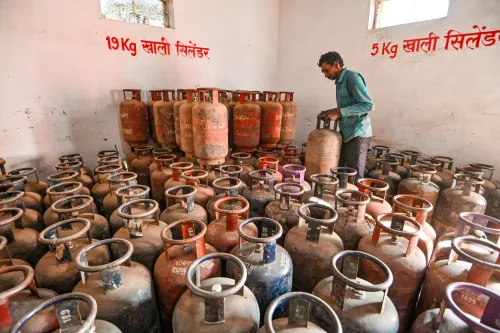
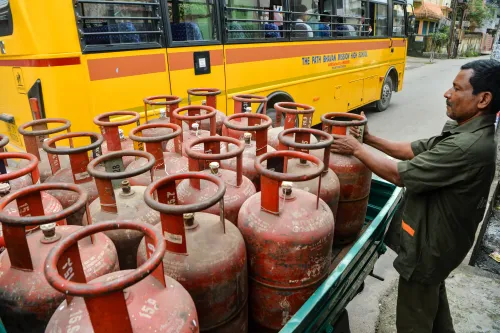
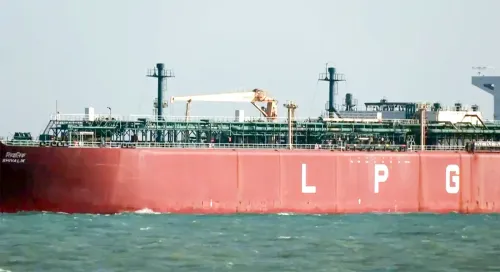
Amid this turbulence, India has positioned itself relatively comfortably. For a nation of 1.4 billion people, the supply of petrol, diesel, and piped natural gas (PNG) remains largely consistent. While there are some apprehensions regarding LPG in certain areas, these seem largely driven by panic buying rather than any fundamental scarcity.
This situation instills a sense of pride and elevates India's standing. During the Covid-19 pandemic, when many powerful nations turned insular, closing borders and hoarding resources, India emerged as a global leader. Through its Vaccine Maitri initiative, it provided support to nearly 100 nations, solidifying its reputation as a reliable partner in times of crisis.
The current scenario, though distinct, again underscores the disparities among countries. Several governments have had to resort to drastic measures affecting everyday life.
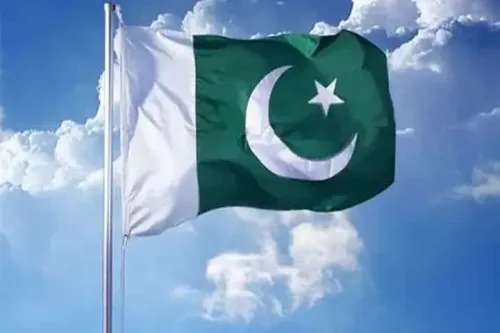
Pakistan has implemented significant fuel price hikes, mandated work-from-home policies, and closed educational institutions. Sri Lanka has reduced public lighting, limited air-conditioning in government offices, and adopted a four-day work-from-home framework. Bangladesh has enforced fuel rationing and closed universities. Vietnam and the Philippines have similarly moved towards remote work and declared national energy emergencies.
Even developed nations aren’t immune. Australia is experiencing fuel shortages, with numerous service stations running dry due to panic buying. Price surges and increased demand are becoming commonplace across various markets.
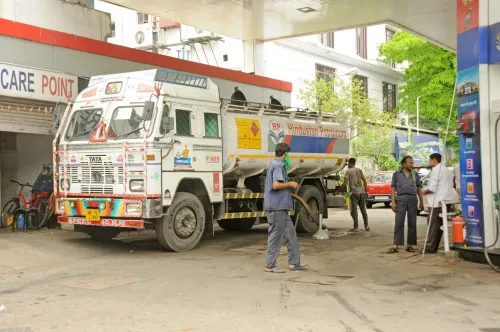
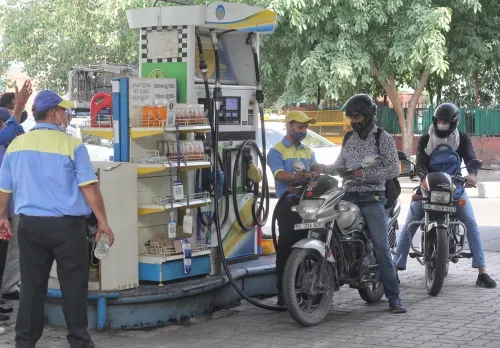
In this context, India’s situation is noteworthy. There has been no increase in petrol, diesel, or gas prices to date. Supplies are readily available, and the government asserts that the country is equipped with adequate reserves—reportedly sufficient for over two months—alongside initiatives to enhance domestic production and promote alternatives like PNG.
For the average Indian, this results in a sense of normalcy that is increasingly rare elsewhere. Vehicles are operational; fuel is accessible, and daily life is largely undisturbed. In stark contrast, rising fuel costs in the US have led to increased living expenses, contributing to inflationary pressures.
Despite this, political discussions domestically have been anything but calm. While criticism is a fundamental aspect of democracy, there exists a delicate balance between holding the government accountable and inciting unnecessary fear.
West Bengal Chief Minister Mamata Banerjee expressed concerns over a potential lockdown just ahead of Prime Minister Narendra Modi's scheduled virtual meeting with chief ministers regarding the fuel situation amid the ongoing West Asia conflict on March 27. Lok Sabha Leader of Opposition Rahul Gandhi highlighted “compromised” energy security, blaming foreign policy missteps. Akhilesh Yadav pointed to widespread LPG shortages.
These assertions are serious, yet they seem misaligned with the prevailing reality. Given that the crisis is global and largely out of any single government’s control, the emphasis should perhaps be on constructive dialogue rather than amplifying concerns.
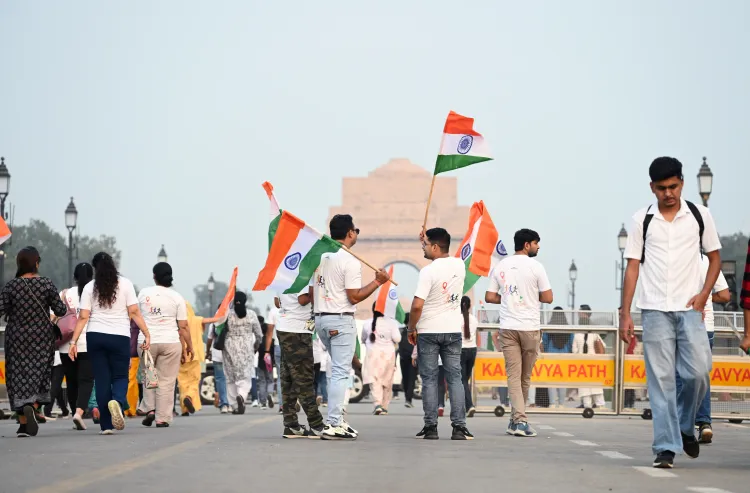
While political tensions may continue to escalate, the situation on the ground remains stable. Roads are bustling, fuel stations are operational, pipelines are delivering gas, and households are meeting their needs.
India continues to progress. The country is witnessing intense political activity surrounding Assembly elections in four states and one union territory, along with the launch of significant development projects like the Noida International Airport. The exciting IPL tournament has commenced, and international half-marathons are taking place in various states, with Dhurandhar making remarkable strides.
For the time being, amidst a world under pressure, India stands on comparatively solid ground. While the road ahead may present challenges if the Gulf conflict worsens, now is not the time for panic. A measured response and trust in the government's strategies will yield better results than alarmism.
(Deepika Bhan can be contacted at deepika.b@ians.in)
Point of View
India's stability in a time of global energy crisis reflects its governmental efficacy and resource management. While political discourse may invite scrutiny, the ground reality showcases a nation that continues to function effectively, offering a sense of normalcy for its citizens.
NationPress
29 Sept 2026
Frequently Asked Questions
Why is India not facing fuel shortages?
India's stable supply of petrol, diesel, and piped natural gas is due to government measures ensuring adequate reserves and promoting domestic production.
How has the global energy crisis affected other countries?
Many countries, including developed nations, have implemented emergency measures like fuel rationing and work-from-home policies due to soaring prices and shortages.
What role did India play during the Covid-19 pandemic?
During the pandemic, India supported nearly 100 countries through its Vaccine Maitri initiative, reinforcing its role as a dependable global partner.
Are fuel prices in India expected to rise soon?
Currently, there has been no increase in petrol, diesel, or gas prices, and the government maintains that supplies are sufficient.
How are political discussions impacting public perception?
Political discourse often raises concerns, but there is a need for balanced dialogue to prevent unnecessary anxiety among the public.