Gujarat Police maps 525 vulnerable spots in Mission Surakshit Shakti Week 1
Synopsis
In just five days, Gujarat Police mapped 525 at-risk locations, audited over 2,200 public and institutional spaces, and trained nearly 13,000 women and children in self-defence — all under a single month-long drive. Mission Surakshit Shakti's Week 1 numbers suggest a structural shift from reactive policing to prevention-first, and the real test will be whether those mapped vulnerabilities translate into measurable safety gains by month's end.
Key Takeaways
Gujarat Police mapped 525 vulnerable locations in the first week ( 19–23 August ) of Mission Surakshit Shakti .
436 sensitive families and repeat domestic violence victims were identified for targeted follow-up.
1,033 public-space and 1,207 school and college safety audits were conducted during the week.
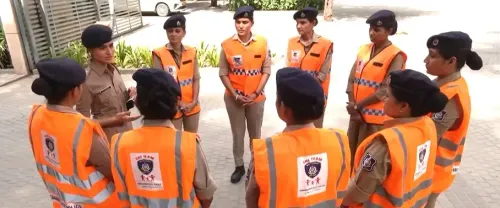
12,829 women and children received self-defence training — the largest single intervention by volume.
653 counselling interventions and 443 victim follow-up actions were carried out in the same period.
The drive is led under DGP G.S.
Malik and Deputy CM Harsh Sanghavi , with weekly reviews to guide ongoing resource deployment.
Gujarat Police mapped 525 vulnerable locations and identified 436 sensitive families and repeat domestic violence victims in the first week of Mission Surakshit Shakti, a month-long statewide drive focused on preventive policing for the safety of women and children. The initiative, covering 19 to 23 August, marks a deliberate shift from incident-based response to proactive, victim-centric intervention across Gujarat.
Key Developments in Week One
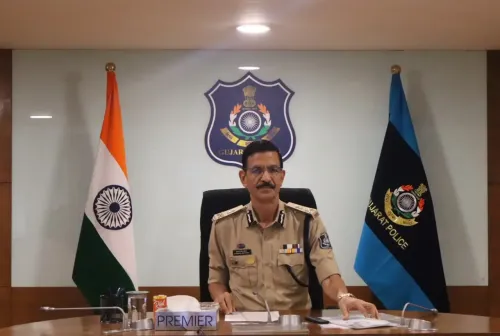
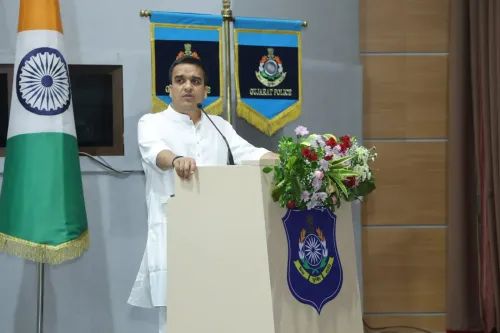
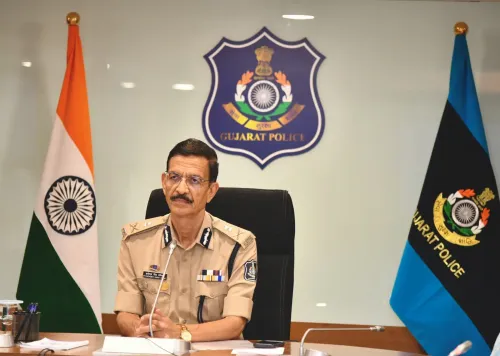
The drive operates under the supervision of Director General of Police (DGP) G.S. Malik and the leadership of Deputy Chief Minister Harsh Sanghavi. In its opening week, the initiative combined location mapping, safety audits, victim follow-ups, counselling, and self-defence training into a single coordinated effort.
Of the 525 locations mapped for vulnerabilities, police intend to use the data to direct focused surveillance and preventive monitoring. Separately, 1,033 safety audits were conducted at public spaces frequented by women and children, aimed at identifying gaps in existing safety arrangements.
Educational Institutions Under the Scanner
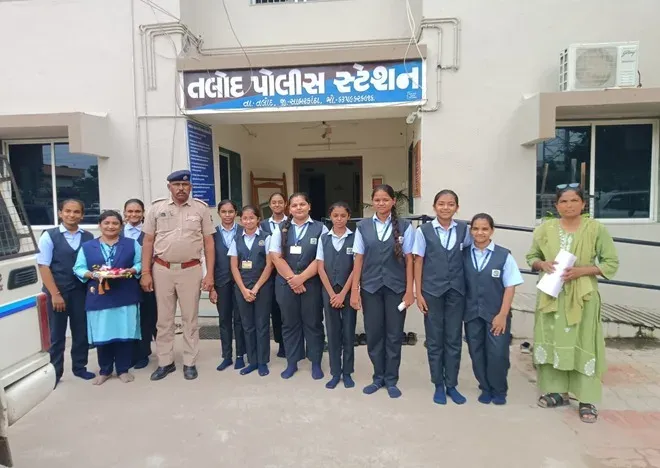
Police teams carried out 1,207 safety audits at schools and colleges, examining vulnerabilities within and around educational campuses. The audits are designed to strengthen preventive measures for children, adolescents, and young women — a segment considered particularly at risk in institutional settings.
Counselling, Follow-Ups, and Self-Defence
443 follow-up and welfare actions were undertaken involving previous victims, ensuring that support extends beyond the initial complaint or police intervention. The week also saw 653 counselling interventions carried out by police teams.
Additional Director General of Police, CID Crime (Women Cell), Ajay Choudhary said, 'Early counselling and family-level intervention were intended to prevent domestic and interpersonal conflicts from escalating or recurring.'
The largest single intervention by volume was self-defence training: 12,829 women and children participated during the first week alone, reflecting the drive's emphasis on community-based safety alongside conventional policing.
What the Numbers Signal
'The Week 1 drive report for August 19 to 23 indicates that the policing initiative has moved beyond an incident-based response towards a more proactive and victim-centric approach, with a focus on identifying vulnerabilities before they develop into serious incidents,' said Choudhary.
This comes amid a broader national conversation on institutional accountability for women's safety, with several states rolling out structured preventive frameworks rather than relying solely on post-incident action. Notably, the scale of self-defence outreach — nearly 13,000 participants in five days — suggests a community mobilisation component that goes beyond traditional policing metrics.
What Comes Next
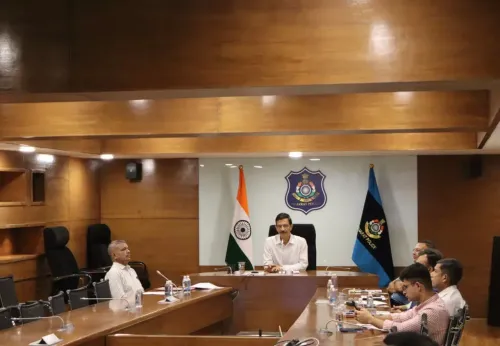
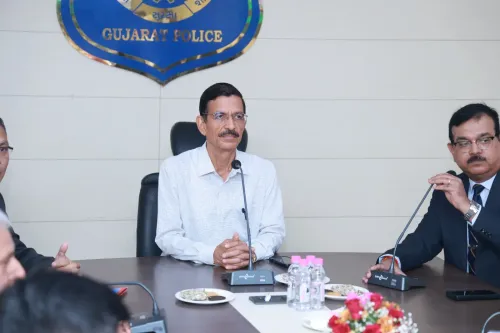
The first-week assessment is intended to help police leadership evaluate not just the volume of interventions but whether they tangibly reduce vulnerabilities and improve safety outcomes. The drive continues through the remainder of the month, with weekly reviews expected to guide resource allocation and focus areas going forward.
Point of View
But volume of intervention is not the same as reduction in harm. Mapping 525 vulnerable locations means little unless those locations receive sustained attention after the month-long drive concludes — a pattern that has historically broken down in similar state-led campaigns. The identification of 436 repeat domestic violence victims is the most consequential data point: these are families already known to the system, yet still cycling through violence. Whether the counselling and follow-up framework can actually interrupt that cycle — rather than simply document it — is the accountability question Gujarat Police must answer by the drive's end.
NationPress
11 Oct 2026
Frequently Asked Questions
What is Mission Surakshit Shakti launched by Gujarat Police?
Mission Surakshit Shakti is a month-long statewide policing drive launched by Gujarat Police to strengthen safety for women and children through preventive measures. It focuses on vulnerability mapping, safety audits, victim counselling, and self-defence training rather than relying solely on post-incident response.
What did Gujarat Police achieve in the first week of the drive?
Between 19 and 23 August, Gujarat Police mapped 525 vulnerable locations, identified 436 sensitive families and repeat domestic violence victims, conducted over 2,200 safety audits at public spaces and educational institutions, and trained 12,829 women and children in self-defence.
Who is overseeing Mission Surakshit Shakti?
The drive operates under the supervision of Director General of Police G.S. Malik and the leadership of Deputy Chief Minister Harsh Sanghavi. Operational reporting is coordinated through Additional DGP Ajay Choudhary of CID Crime (Women Cell), Gujarat.
Why are educational institutions being audited under this drive?
Police conducted 1,207 safety audits at schools and colleges to identify vulnerabilities within and around campuses that could expose children, adolescents, and young women to risk. The audits aim to enable corrective measures before incidents occur.
How will Gujarat Police measure the success of Mission Surakshit Shakti?
According to officials, weekly assessments will evaluate not just the number of interventions but whether they reduce vulnerabilities and improve safety outcomes for women and children. The first-week data is intended to guide resource allocation and focus areas for the remainder of the month.