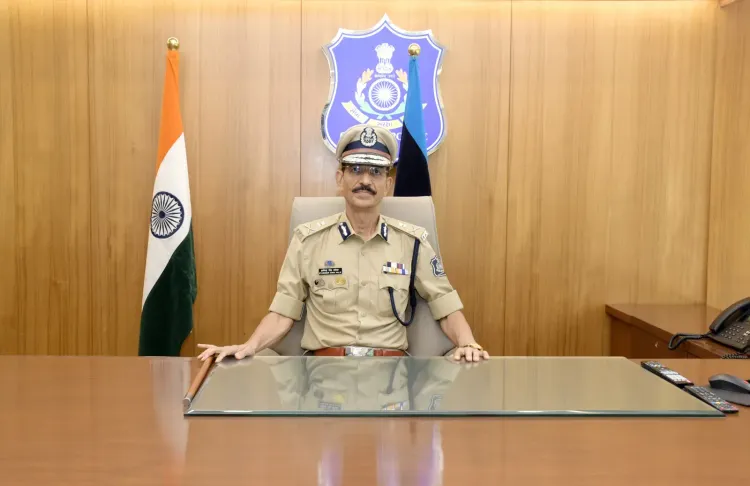
Gujarat DGP GS Malik takes charge, targets cyber crime, drugs, CCTV expansion
Synopsis
Gujarat's top cop post had been vacant for nearly five months — now DGP GS Malik is in charge, and he's arriving with a clear blueprint: replicate Ahmedabad's 24,000-camera CCTV grid statewide, turbocharge the Anti-Narcotics Task Force, and push cybercrime training down to every district. Whether a city-policing playbook can scale across a geographically diverse state is the real question.
Key Takeaways
Gyanender Singh Malik , a 1993-batch IPS officer , formally assumed charge as Gujarat DGP on 8 June 2025 at Police Bhavan, Gandhinagar.
The DGP post had been held on additional charge by K.L.N.
Rao for nearly five months before Malik's appointment.
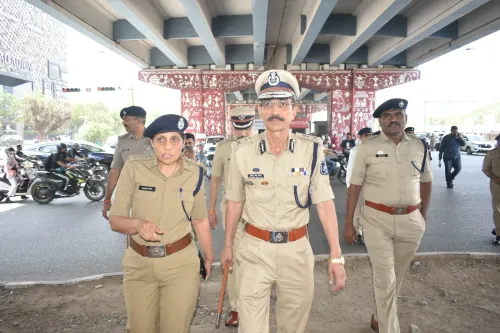
Malik plans to expand Ahmedabad's CCTV model — over 24,000 cameras , with 7,000+ feeds to the control room — across the state.
The Anti-Narcotics Task Force will be further strengthened; narcotics trafficking identified as a top priority.
Cybercrime training developed in Ahmedabad will be scaled to district police units statewide.
Malik previously served as Ahmedabad Police Commissioner from July 2023 and participated in the UN peacekeeping mission in Kosovo .
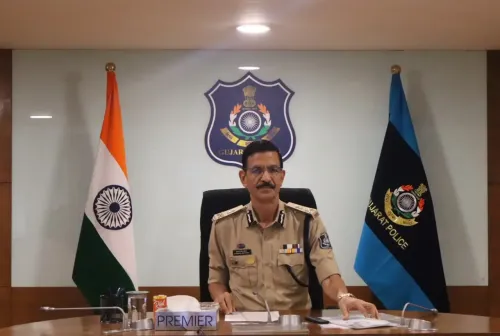
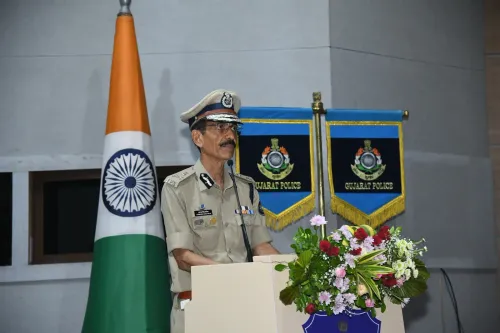
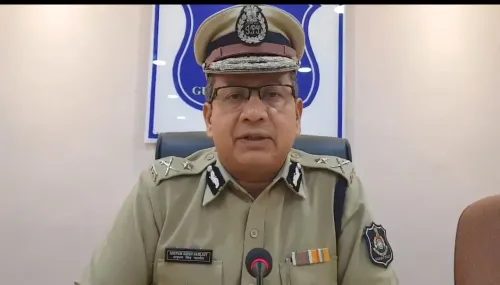
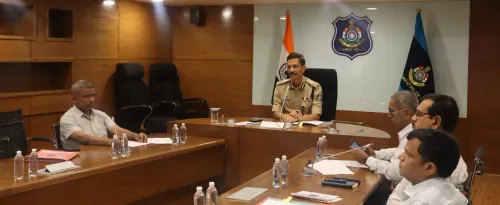
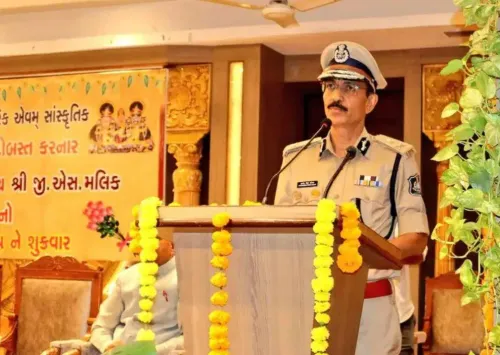
Gujarat's newly appointed Director General of Police (DGP) Gyanender Singh Malik formally assumed charge on Monday, 8 June at Police Bhavan, Gandhinagar, outlining an agenda built around technology-driven policing, expanded CCTV surveillance, intensified action against narcotics networks, and faster resolution of public grievances. Malik, a 1993-batch Indian Police Service (IPS) officer, was elevated from his previous role as Ahmedabad Police Commissioner.
End of a Five-Month Vacancy
The state government announced Malik's appointment on Saturday, 6 June, ending nearly five months during which the DGP post had been held on additional charge by senior officer K.L.N. Rao. Malik's selection followed the prescribed panel-forwarding process, and his elevation comes as Gujarat seeks to reinforce policing capabilities across organised crime, drug trafficking, cybersecurity, and public safety.
CCTV Network as a Blueprint
Addressing reporters after assuming charge, Malik pointed to Ahmedabad's surveillance infrastructure as a model for the rest of the state. 'More than 24,000 CCTV cameras had been installed across Ahmedabad with public participation. Of these, feeds from over 3,000 strategically located cameras are linked directly to police stations, while the police control room receives live feeds from more than 7,000 cameras,' he said. Malik attributed a measurable deterrence effect to the network, noting that awareness of being identifiable through footage had itself helped curb theft, robbery, and chain-snatching.
Narcotics and Cybercrime: Top Priorities
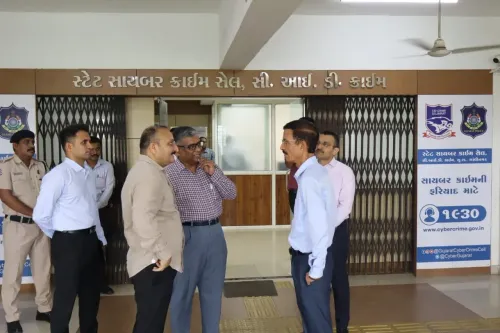
Malik identified narcotics trafficking as one of the most pressing challenges facing the Gujarat Police. 'Narcotics is one of our top priorities. We will continue to intensify our efforts against drug networks,' he said, adding that the Anti-Narcotics Task Force would be further strengthened for state-wide enforcement. On cybercrime — an area he described as growing rapidly and demanding specialised skills — Malik said training programmes developed in Ahmedabad would be scaled up to district police units to sharpen investigative and technical capabilities.
Grievance Redressal and Community Policing
The new DGP stressed that citizens' complaints should be resolved at the police station and district level, reducing the need for repeated visits to senior authorities in Gandhinagar. He also underlined the importance of maintaining public confidence, particularly in rural areas, through improved communication and community engagement. 'Detection is the best prevention. If an offender is caught after one or two crimes, it prevents many more offences from happening in the future,' Malik said, framing proactive detection as a core crime-prevention strategy.
Malik's Background and Career
A native of Haryana, Malik holds an electrical engineering degree from Banaras Hindu University and a law degree from Gujarat University. His more than three decades in policing span district assignments across Gujarat — including stints as Superintendent of Police in Kutch, Bharuch, Surendranagar, Porbandar, and Dangs — central deputation with the Border Security Force (BSF) and the Central Industrial Security Force (CISF), and participation in the United Nations peacekeeping mission in Kosovo. He was appointed Ahmedabad Police Commissioner in July 2023 before his elevation to DGP. With cyber security, narcotics control, and expanded surveillance now firmly on his agenda, Malik's first months in the role will test whether Ahmedabad's policing model can be replicated at scale across Gujarat.
Point of View
000 cameras and a strengthened narcotics task force are tangible assets. But Ahmedabad is a well-resourced urban police commissionerate; replicating that infrastructure in districts like Dangs or Kutch — where terrain, connectivity, and budgets differ sharply — is a different challenge entirely. The real test of Malik's tenure will be whether the technology-first model is backed by the training bandwidth and capital expenditure to make it stick beyond the state capital.
NationPress
23 Oct 2026
Frequently Asked Questions
Who is the new Gujarat DGP Gyanender Singh Malik?
Gyanender Singh Malik is a 1993-batch IPS officer who was serving as Ahmedabad Police Commissioner before being appointed Gujarat Director General of Police. He has over three decades of policing experience across Gujarat, central deputation with the BSF and CISF, and served in the UN peacekeeping mission in Kosovo.
When did GS Malik assume charge as Gujarat DGP?
Malik formally assumed charge on Monday, 8 June 2025, at Police Bhavan in Gandhinagar. His appointment was announced by the state government on 6 June, ending nearly five months during which the post was held on additional charge by K.L.N. Rao.
What are Gujarat DGP Malik's key priorities?
Malik has outlined five priorities: expanding CCTV surveillance statewide using Ahmedabad's 24,000-camera network as a model, intensifying action against narcotics trafficking through a strengthened Anti-Narcotics Task Force, improving cybercrime investigation capabilities, streamlining public grievance redressal at the district level, and strengthening community policing in rural areas.
How extensive is Ahmedabad's CCTV network that Malik wants to replicate?
Ahmedabad has over 24,000 CCTV cameras installed with public participation. Feeds from more than 3,000 strategically placed cameras are linked directly to police stations, while the police control room receives live feeds from over 7,000 cameras. Malik credited the network with deterring theft, robbery, and chain-snatching.
Why was the Gujarat DGP post vacant for five months before Malik's appointment?
The Gujarat DGP post was held on additional charge by senior officer K.L.N. Rao for nearly five months pending the completion of the prescribed selection panel process. Malik's appointment on 6 June 2025 ended that interim arrangement.