CM Yogi Extends Shardiya Navratri Greetings to UP
Synopsis
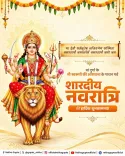
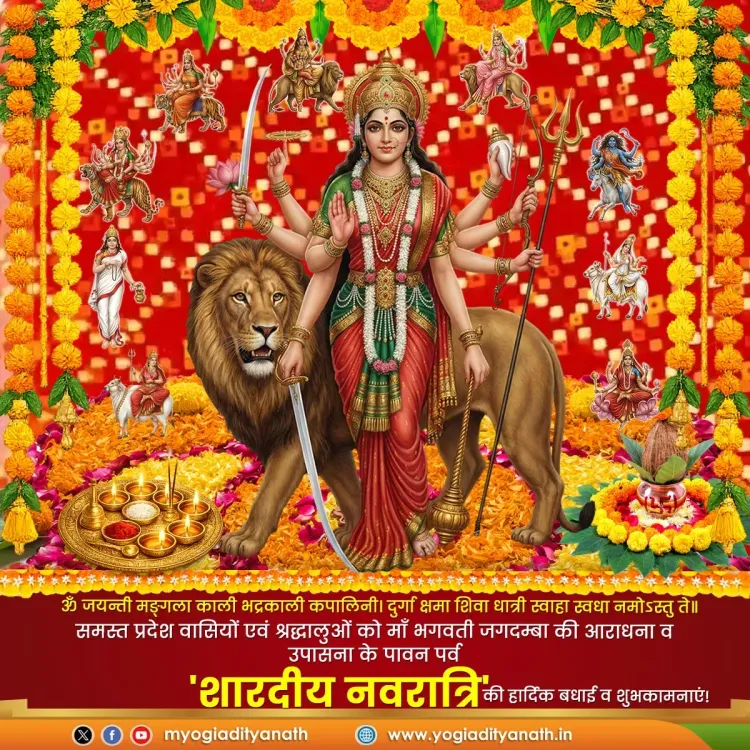
Uttar Pradesh Chief Minister Yogi Adityanath extended Shardiya Navratri greetings on October 11, 2026, opening with a Sanskrit hymn to the goddess and praying that Maa Jagdamba bless all with happiness, prosperity, health, and good fortune.
Key Takeaways
CM Yogi Adityanath posted Shardiya Navratri greetings on October 11, 2026 , marking the start of the festival.
The post opened with a classical Sanskrit shloka saluting nine forms of the goddess, including Kali, Durga, and Bhadrakali.
He prayed for happiness, prosperity, good health, and good fortune for all devotees and UP residents.
Shardiya Navratri is one of the most widely observed festivals across Uttar Pradesh's 75 districts .
CM Yogi heads the Gorakhnath Math , lending his Navratri greetings both political and religious significance.
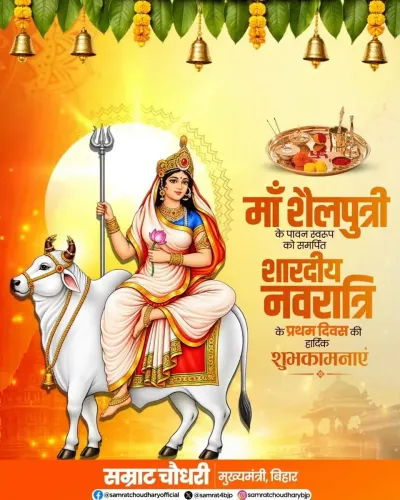
As the sacred nine nights of the goddess begin, Uttar Pradesh Chief Minister Yogi Adityanath opened Shardiya Navratri 2026 with a devotional invocation and warm wishes to every devotee and resident of the state.
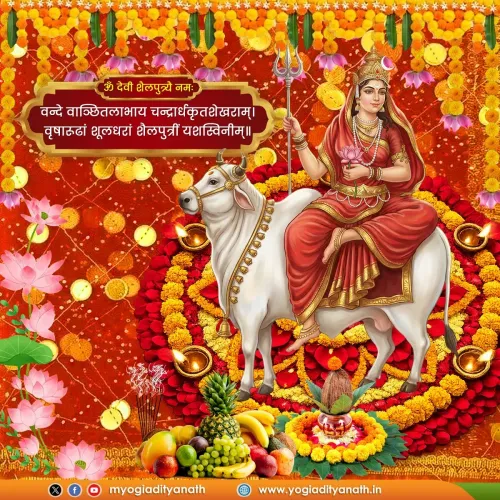
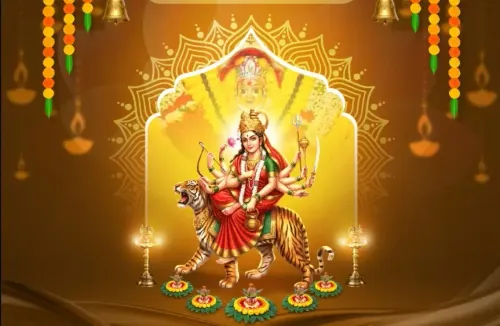
The Chief Minister's post opened with the classical Sanskrit shloka — 'ॐ जयन्ती मङ्गला काली भद्रकाली कपालिनी। दुर्गा क्षमा शिवा धात्री स्वाहा स्वधा नमोऽस्तु ते॥' — a time-honoured hymn saluting the many forms of the goddess: Jayanti, Mangala, Kali, Bhadrakali, Kapalini, Durga, Kshama, Shiva, Dhatri, Swaha, and Swadha. The verse is among the most widely recited during Navratri worship across the Hindi heartland.
Extending greetings on the 'pious festival of worship of Maa Bhagwati Jagdamba,' CM Yogi prayed that the goddess bless all with happiness, prosperity, good health, and good fortune. He closed with the traditional invocation 'Jai Mata Ki.'
Shardiya Navratri — the autumnal edition of the nine-night festival — is one of the most widely observed religious occasions in Uttar Pradesh, a state home to major Shakti shrines including the Vindhyavasini Devi temple in Mirzapur and the Sheetala Mata temple in Varanasi. Millions of devotees observe fasts, perform Durga puja, and participate in Kanya Pujan across the state's 75 districts during this period.
For CM Yogi — who heads the Gorakhnath Math, one of the most prominent Nath Sampraday monasteries in the country — such observances carry both spiritual and institutional weight. The Math itself maintains its own traditions of goddess worship during Navratri, and the Chief Minister's public greetings reflect that dual identity as both a religious figure and an elected head of government.
Navratri's cultural footprint in Uttar Pradesh extends well beyond temples: local administrations typically coordinate security and crowd management at major shrines, and the festival is a significant moment for artisans, priests, and small traders across the state. The Chief Minister's message lands at the very start of the festival, setting a tone of collective prayer and communal goodwill for the days ahead.
Point of View
His religious outreach carries institutional weight beyond ordinary political greetings. The Sanskrit shloka, rather than a generic wish, signals a deliberate emphasis on scriptural authenticity that has become a consistent feature of his public communication. For the BJP in Uttar Pradesh, festivals like Navratri are also soft-power moments that reinforce cultural identity ahead of any electoral cycle. The message is celebratory and uncontroversial, but it underscores how governance and religious leadership remain deeply intertwined in his public persona.
NationPress
11 Oct 2026
Frequently Asked Questions
When is Shardiya Navratri 2026?
Shardiya Navratri 2026 began on October 11, 2026, as indicated by CM Yogi Adityanath's greetings posted on that date.
What did CM Yogi say on Shardiya Navratri 2026?
CM Yogi extended heartfelt greetings to all devotees and UP residents, opened with a Sanskrit shloka honouring the goddess, and prayed for happiness, prosperity, health, and good fortune for all.
What is the Sanskrit shloka CM Yogi posted for Navratri?
He posted the shloka 'Om Jayanti Mangala Kali Bhadrakali Kapalini, Durga Kshama Shiva Dhatri Swaha Swadha Namostute' — a classical hymn saluting multiple forms of the goddess Durga.
What is Gorakhnath Math and its connection to CM Yogi?
The Gorakhnath Math in Gorakhpur is one of India's most prominent Nath Sampraday monasteries. CM Yogi Adityanath is its head, a role that gives his religious observances and public greetings added institutional significance.
How is Navratri celebrated in Uttar Pradesh?
Across UP's 75 districts, millions observe fasts, perform Durga puja, and participate in Kanya Pujan. Major Shakti shrines like Vindhyavasini Devi in Mirzapur and Sheetala Mata in Varanasi draw large gatherings during the nine-day festival.