CM Rekha Gupta Wishes Delhi Shardiya Navratri 2026
Synopsis
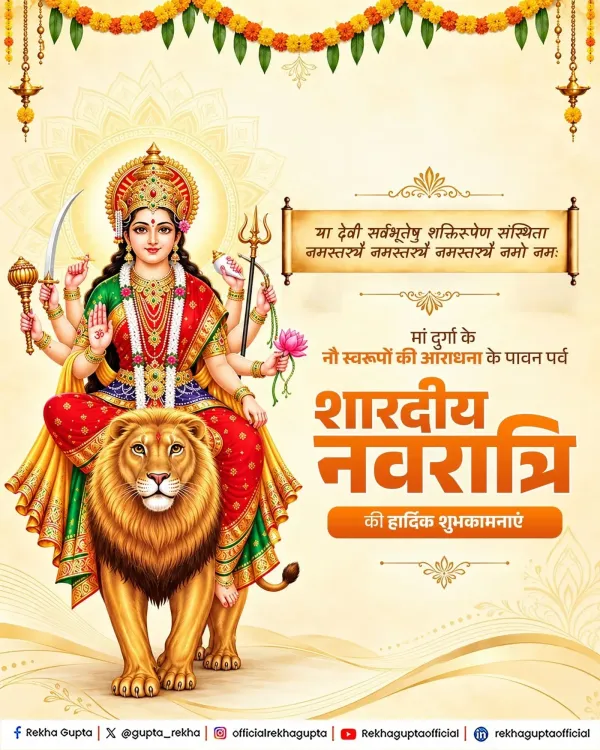
Delhi Chief Minister Rekha Gupta marked the start of Shardiya Navratri 2026 with a Sanskrit Devi invocation and warm wishes for all Delhi residents, praying for health, peace, and prosperity in every home during the nine-day festival.
Key Takeaways
Delhi CM Rekha Gupta posted Shardiya Navratri greetings on 11 October 2026 at dawn.
She opened with a classical Sanskrit shloka from the Devi Mahatmyam tradition, naming twelve forms of Goddess Durga.
Her message extended wishes to all Delhi residents for happiness, peace, good health, and prosperity.
Shardiya Navratri is one of the most widely celebrated festivals across Delhi , observed by millions of devotees over nine nights.
The festival culminates in Dussehra , with Ramlila performances held across the capital.
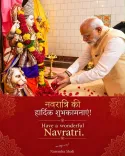
As the first light of Shardiya Navratri 2026 fell across Delhi on Sunday, 11 October, Delhi Chief Minister Rekha Gupta opened the nine-day festival with a Sanskrit invocation and a heartfelt greeting to every household in the capital.
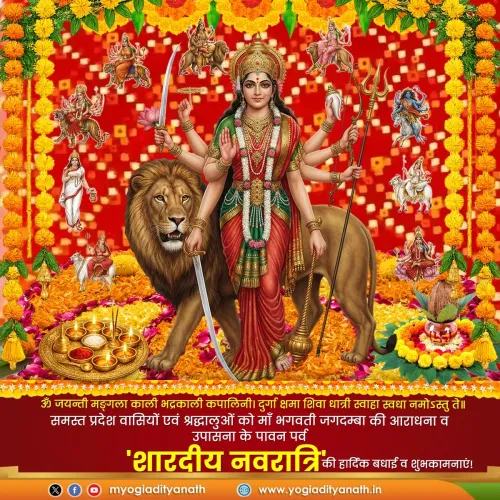
Posting on X at dawn, CM Gupta began with the classical Devi stuti — 'ॐ जयन्ती मङ्गला काली भद्रकाली कपालिनी। दुर्गा क्षमा शिवा धात्री स्वाहा स्वधा नमोऽस्तु ते॥' — a Vedic verse saluting the many forms of Goddess Durga, from Kaali and Bhadrakaali to Kapaalini and Dhaatri. The choice to open with Sanskrit scripture, rather than a plain greeting, set a devotional rather than ceremonial tone.
In Hindi, she extended wishes to 'all residents of Delhi,' praying that the auspicious arrival of Maa Bhagavati fill every home with devotion, joy, and a blessed atmosphere. Her prayer at the feet of the Goddess, she wrote, was simple: that every family receive happiness, peace, good health, and prosperity, and that every wish be fulfilled.
Navratri in Delhi: Nine nights, millions of devotees
Shardiya Navratri — the autumn edition of the festival — is among the most widely observed Hindu festivals in Delhi, drawing millions of devotees to temples, community pandals, and Ramlila grounds across the city. The nine nights honour the nine forms of Goddess Durga, with fasting, aarti, Dandiya and Garba gatherings, and large-scale Ramlila performances that culminate in Dussehra.
For a city of over 30 million people spanning every region of India, Navratri functions as a cultural common ground — celebrated with equal fervour in East Delhi's Bengali-influenced Durga Puja pandals and in the Gujarati-dominated Garba nights of West Delhi.
The verse she chose — and what it means
The Sanskrit shloka CM Gupta quoted is drawn from the Devi Mahatmyam tradition, enumerating twelve names of the Goddess — Jayanti, Mangala, Kaali, Bhadrakaali, Kapaalini, Durga, Kshama, Shiva, Dhaatri, Swaahaa, and Swadhaa — before offering salutation. Reciting it at the start of Navratri is considered auspicious across North Indian devotional practice, and its use here signals a conscious alignment with classical Hindu liturgy.
Point of View
Reinforcing the party's identity as the custodian of classical Hindu tradition. For a first-term Delhi CM looking to consolidate her public persona, high-visibility festival outreach to the capital's vast and diverse devotee base is both a spiritual gesture and a political one. The choice of the Devi Mahatmyam shloka, recognisable to observant Hindus across North India, broadens the appeal beyond any single community or region within Delhi.
NationPress
11 Oct 2026
Frequently Asked Questions
When is Shardiya Navratri 2026?
Shardiya Navratri 2026 begins on 11 October 2026 and runs for nine nights, culminating in Dussehra.
What did Delhi CM Rekha Gupta post for Navratri?
CM Rekha Gupta posted a Sanskrit Devi shloka from the Devi Mahatmyam tradition followed by Hindi greetings wishing all Delhi residents happiness, peace, health, and prosperity.
What is the Sanskrit shloka CM Rekha Gupta recited for Navratri?
The shloka — 'ॐ जयन्ती मङ्गला काली भद्रकाली कपालिनी। दुर्गा क्षमा शिवा धात्री स्वाहा स्वधा नमोऽस्तु ते॥' — is a classical Vedic verse saluting twelve names of Goddess Durga and is traditionally recited at the start of Navratri.
How is Navratri celebrated in Delhi?
Delhi marks Navratri with temple aartis, community pandals, fasting, Garba and Dandiya nights, and large Ramlila performances that draw millions of devotees across the city's diverse neighbourhoods.