CM Yogi pays tribute to Maharaja Agrasen on his Jayanti
Synopsis
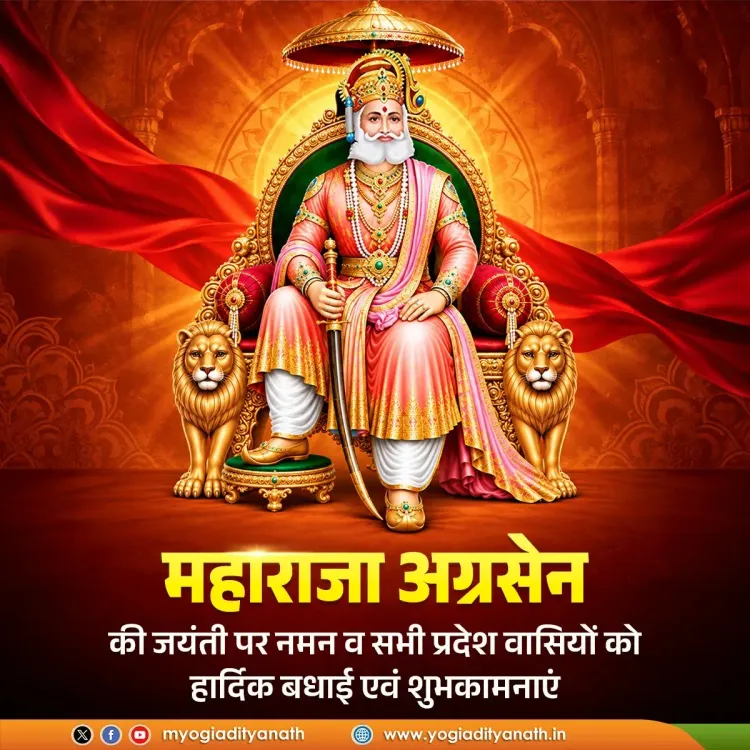
Uttar Pradesh CM Yogi Adityanath paid tribute to Maharaja Agrasen on his Jayanti, highlighting the legendary 'Ek Eent, Ek Rupaya' message of collective welfare as a timeless principle of justice, social harmony, and nation-building.
Key Takeaways
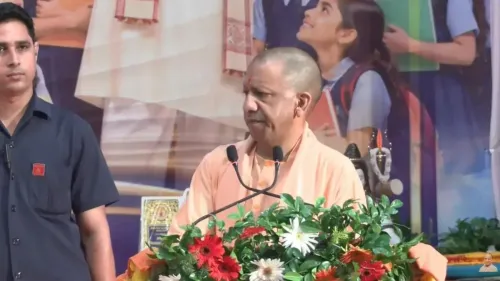
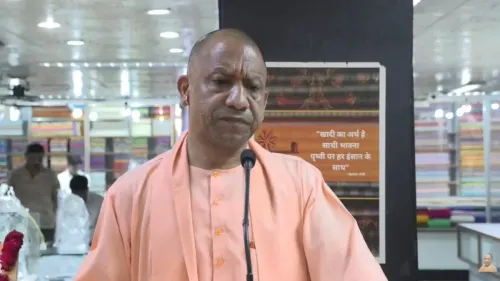
CM Yogi Adityanath posted a tribute to Maharaja Agrasen on his Jayanti on 11 October 2026 .
He extended greetings to all residents of Uttar Pradesh on the occasion.
The post highlighted Agrasen's core values: justice, equality, and benevolence as foundations of social harmony.
CM Yogi described the 'Ek Eent, Ek Rupaya' principle as an eternal formula linking cooperation, social harmony, and collective nation-building.
Agrasen Jayanti holds significant cultural and community importance across northern India, especially for the Agrawal community.
On the birth anniversary of the legendary merchant-king Maharaja Agrasen, Uttar Pradesh Chief Minister Yogi Adityanath invoked a principle that is over two millennia old — and argued it still holds the blueprint for a just, prosperous nation. The tribute, posted on Sunday, 11 October 2026, drew on Agrasen's most enduring teaching to frame a message of collective nation-building for the people of Uttar Pradesh.
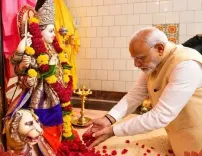
In his post, CM Yogi offered respectful homage — sadar naman — to Maharaja Agrasen and extended warm greetings to all residents of the state on the occasion of Agrasen Jayanti. He described Agrasen as one who made justice, equality, and benevolence the very foundation of social harmony and public welfare.
The 'Ek Eent, Ek Rupaya' principle and what it means
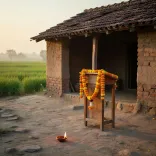
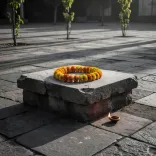
At the heart of the post is Agrasen's celebrated dictum: 'Ek Eent, Ek Rupaya' — 'One Brick, One Rupee.' According to legend, when Maharaja Agrasen established his kingdom, every family in the realm contributed one brick and one coin to help each new settler build a home and start a livelihood. The result was a community where no one arrived as a stranger and no one left as a pauper.
CM Yogi described this as a lokamangalkari sandesh — a message of universal well-being — and distilled it into three interlocking ideas: cooperation builds capability, social harmony generates prosperity, and collective action is the eternal formula for nation-building. The framing is deliberate: ancient wisdom recast as a living civic ethic.
Agrasen Jayanti and its significance in Uttar Pradesh
Maharaja Agrasen is revered across northern India, particularly among the Agrawal trading community, as a founding figure of cooperative commerce and egalitarian governance. His Jayanti, observed on Ashwin Shukla Dashami of the Hindu calendar, draws large gatherings and community events across cities in Uttar Pradesh, Haryana, Rajasthan, and Delhi. For a state like UP — home to one of India's largest and most commercially active Agrawal populations — the occasion carries both cultural and political weight.
The Chief Minister's message, anchored in themes of samajik samarasata (social harmony) and lok-kalyan (public welfare), aligns the occasion with the broader governance vocabulary of his administration. The kicker is the timelessness of the symbol: a king who governed by redistribution, remembered not for conquest but for community.
Point of View
Ek Rupaya' cooperative model, the post implicitly frames community self-reliance as a native Indian tradition rather than a borrowed policy idea. In Uttar Pradesh, where the Agrawal community represents a significant commercial and electoral constituency, such messaging carries both cultural resonance and political pragmatism. The choice of language — samajik samarasata, lok-kalyan — mirrors the administration's broader vocabulary of inclusive development.
NationPress
11 Oct 2026
Frequently Asked Questions
Who was Maharaja Agrasen?
Maharaja Agrasen was a legendary king revered in Hindu tradition as the founder of the Agrawal community. He is celebrated for his principles of equality, cooperative commerce, and social welfare, most famously embodied in the 'Ek Eent, Ek Rupaya' practice of community support.
What is the 'Ek Eent, Ek Rupaya' principle?
'Ek Eent, Ek Rupaya' means 'One Brick, One Rupee.' According to legend, every family in Maharaja Agrasen's kingdom contributed one brick and one coin to help each new settler establish a home and livelihood, embodying collective welfare and community solidarity.
When is Agrasen Jayanti celebrated in 2026?
Agrasen Jayanti in 2026 falls on 11 October , observed on Ashwin Shukla Dashami of the Hindu calendar. It is marked by community events and tributes across northern India.
What did CM Yogi say on Agrasen Jayanti 2026?
CM Yogi Adityanath paid respectful homage to Maharaja Agrasen and extended greetings to all UP residents. He described Agrasen's 'Ek Eent, Ek Rupaya' message as an eternal formula where cooperation builds capability, social harmony generates prosperity, and collective action drives nation-building.
Why is Agrasen Jayanti significant in Uttar Pradesh?
Uttar Pradesh is home to one of India's largest Agrawal populations, a community that traces its lineage and values to Maharaja Agrasen. The occasion draws large gatherings and is culturally significant across UP's commercial towns and cities.