Shashkta Panchayat Netri Abhiyan: Centre trains women panchayat leaders to boost Gram Sabha role
Synopsis
Despite holding up to 50% of reserved panchayat seats in many states, women representatives across India's Gram Panchayats have faced persistent barriers — from household duties to male-dominated deliberations. The Centre's new Shashkta Panchayat Netri Abhiyan training module is a direct attempt to convert formal representation into real governance power at the village level.
Key Takeaways
The Centre launched a Specialised Training Module under Shashkta Panchayat Netri Abhiyan to build capacity of Women Elected Representatives in Panchayati Raj Institutions.
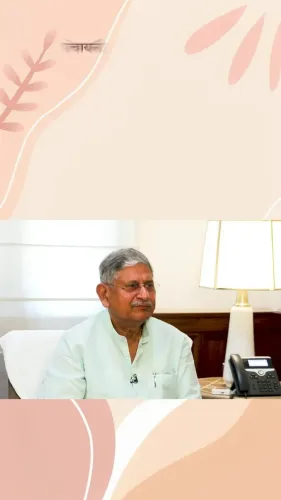
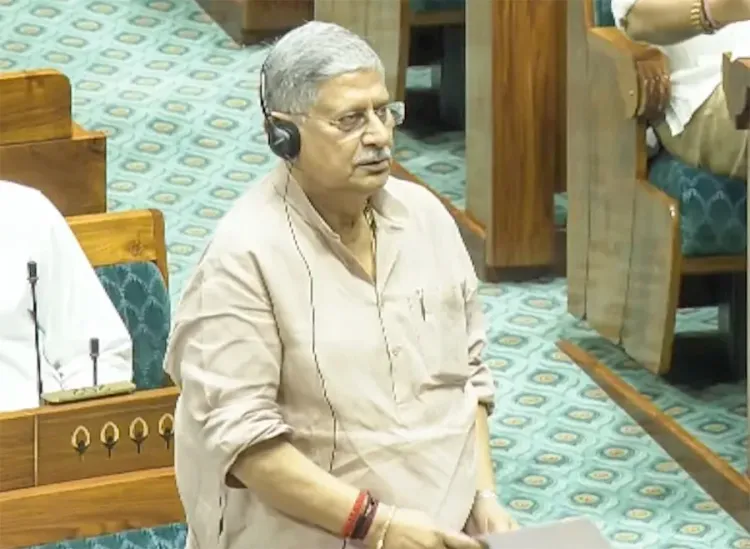
Panchayati Raj Minister Rajiv Ranjan Singh informed the Lok Sabha on 11 August about the initiative and its objectives.
A National Institute of Rural Development and Panchayati Raj study identified household responsibilities , social hesitation , and male dominance as key barriers to women's participation in Gram Panchayats.
The Ministry has issued advisories to states and UTs to increase Gram Sabha frequency, ensure minimum quorum, and hold separate Mahila Sabha meetings before Gram Sabha sessions.
The training module aims to promote women-led governance by enhancing practical skills and knowledge of rural administration.
The Union government has launched a Specialised Training Module under the 'Shashkta Panchayat Netri Abhiyan' to strengthen the capacity of Women Elected Representatives (WERs) of Panchayati Raj Institutions and deepen their participation in grassroots democratic governance, the Lok Sabha was informed on Tuesday, 11 August. The initiative targets structural and social barriers that have long constrained women's effective functioning in Gram Panchayats across India.
What the Training Module Covers
Panchayati Raj Minister Rajiv Ranjan Singh told Parliament that the training programme is designed to build practical skills and governance knowledge among women representatives across multiple dimensions of rural administration. The goal, he said, is to enable women-led governance at the panchayat level by equipping elected women with the tools needed for the effective discharge of their duties.
The module addresses gaps in awareness, communication, and administrative confidence — areas where women representatives have historically faced the steepest hurdles.
Key Barriers Identified by National Study
A National Study Report on Low Participation in Gram Sabha, conducted by the National Institute of Rural Development and Panchayati Raj, identified several factors behind inconsistent and low participation across states and Union Territories. Minister Singh cited these findings in his reply.
The barriers include household responsibilities, social hesitation, and male dominance during discussions as primary constraints on women's participation. Broader systemic issues flagged by the study include livelihood and occupational constraints, weak awareness, inadequate communication systems, poor responsiveness to grievances, absence of line department officials at meetings, limited transparency in governance, and inadequate follow-up on issues raised during Gram Sabha sessions.
Steps to Revitalise Gram Sabhas
The Ministry of Panchayati Raj has also circulated detailed advisories to states and Union Territories aimed at making Gram Sabhas more participatory and accountable. Among the measures outlined by Minister Singh:
These include sharing details of flagship government schemes during Gram Sabha meetings, increasing the frequency of Gram Sabhas, ensuring minimum quorum as mandated under respective State Panchayati Raj Acts, preparing regular standing agendas, facilitating separate Ward Sabha and Mahila Sabha meetings ahead of Gram Sabha sessions, maximising attendance, and operationalising Standing Sub-Committees of the Gram Sabha.
Why This Matters
Women constitute a significant share of elected panchayat representatives nationally — many states legally reserve 50% of seats for women — yet structural and social factors have meant that actual participation in deliberations has lagged formal representation. This initiative is a direct policy response to that gap.
Notably, the training push comes alongside broader Centre-level efforts to strengthen the third tier of governance, which remains the primary interface between citizens and the state for rural welfare delivery. With Gram Sabhas serving as the democratic bedrock of local self-governance, improving women's active participation carries implications well beyond optics — it shapes how resources are allocated and grievances are addressed at the village level.
Point of View
Yet their actual influence in Gram Sabha deliberations has remained constrained by social norms and institutional inertia. The Shashkta Panchayat Netri Abhiyan is a step in the right direction, but training modules alone cannot dismantle male-dominated meeting cultures or the burden of household responsibilities that the government's own study flagged. The harder reform — ensuring that line department officials actually attend Gram Sabhas and that follow-up on women's grievances is tracked — lies in implementation, not curriculum design. Whether states translate Centre advisories into enforceable practice will determine whether this becomes a genuine governance shift or another well-intentioned programme that underdelivers at the last mile.
NationPress
25 Sept 2026
Frequently Asked Questions
What is the Shashkta Panchayat Netri Abhiyan?
It is a government initiative under which a Specialised Training Module has been launched to build the capacity of Women Elected Representatives of Panchayati Raj Institutions and improve their participation in Gram Sabhas and other democratic bodies. The programme focuses on practical skills, governance knowledge, and promoting women-led rural governance.
Why is women's participation in Gram Panchayats low?
A National Study Report by the National Institute of Rural Development and Panchayati Raj identified household responsibilities, social hesitation, and male dominance during discussions as the primary barriers. Broader systemic issues include weak awareness, poor grievance responsiveness, absence of line department officials, and limited transparency in governance processes.
What steps has the Ministry of Panchayati Raj taken to improve Gram Sabha participation?
The Ministry has circulated advisories to states and Union Territories to increase the frequency of Gram Sabhas, ensure minimum quorum, prepare standing agendas, hold separate Ward Sabha and Mahila Sabha meetings before Gram Sabha sessions, and operationalise Standing Sub-Committees. Details of flagship government schemes are also to be shared at these meetings.
Who announced the Shashkta Panchayat Netri Abhiyan training module in Parliament?
Panchayati Raj Minister Rajiv Ranjan Singh announced it in a reply to the Lok Sabha on 11 August, detailing both the training initiative and the barriers to women's participation identified by a national study.
How does this initiative affect women elected to panchayats?
The training module is designed to equip women representatives with the knowledge and practical skills needed to discharge their roles effectively, helping convert formal representation — which is already legally mandated in many states — into active governance participation at the village level.