NITI Aayog to release Gram Sabha participation report on June 30
Synopsis
A national study covering 7,790 respondents across 400 Gram Panchayats in 26 states has found persistently low citizen turnout in Gram Sabhas — the constitutional bedrock of rural democracy. NITI Aayog is set to release the findings on June 30, with evidence-based recommendations that could reshape how India's grassroots governance is run.
Key Takeaways
NITI Aayog member Dr.
Balasubramaniam will release the national Gram Sabha participation report on 30 June in New Delhi .
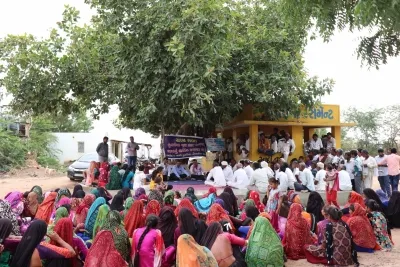
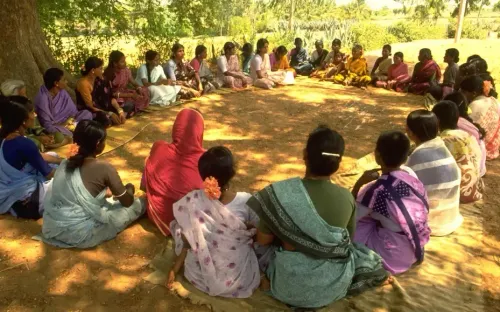
The study covered approximately 7,790 respondents across around 400 Gram Panchayats in 26 states and union territories , including PESA and women-led panchayats.
Key barriers examined include awareness levels, communication gaps, infrastructure deficits, and weak institutional responsiveness.
India's Gram Panchayats have routed over ₹3 lakh crore through the eGramSwaraj platform; the SabhaSaar tool is available in 23 Indian languages .
The Gram Sabha is constitutionally mandated under Article 243A as the foundation of participatory local governance.
The Ministry of Panchayati Raj on Monday, 29 June announced that a landmark national study on low citizen participation in Gram Sabhas across 26 states and union territories will be formally released on 30 June by Dr. R. Balasubramaniam, Member, NITI Aayog. The report, prepared by the National Institute of Rural Development and Panchayati Raj (NIRDPR), draws on field research covering approximately 7,790 respondents across around 400 Gram Panchayats, including PESA and women-led panchayats.
What the Study Found
The report — titled 'National Study Report on Low Participation in Gram Sabha across States and Union Territories' — examines multiple dimensions that shape citizen engagement at the grassroots level. These include awareness levels, communication systems, inclusiveness, institutional responsiveness, governance practices, infrastructure availability, and citizen perceptions.
The study identifies practical, evidence-based measures aimed at strengthening participatory democracy and making Panchayati Raj Institutions (PRIs) more vibrant, inclusive, and accountable across rural India.
Constitutional Significance of the Gram Sabha
The Gram Sabha, enshrined under Article 243A of the Constitution, is regarded as the cornerstone of participatory local governance in India. Despite its constitutional mandate, the study found persistently low citizen turnout at Gram Sabha meetings — a concern that has prompted the Ministry to commission this large-scale national review.
Notably, this is among the most comprehensive field-level assessments of Gram Sabha participation undertaken to date, covering a geographically and demographically diverse sample across the country.
Digital Infrastructure Backing Panchayats
The release comes as India's Gram Panchayats have collectively routed over ₹3 lakh crore in cumulative payments through the eGramSwaraj platform. The AI-powered SabhaSaar meeting tool, designed to support Gram Sabha proceedings, is now available in 23 Indian languages.
Payments through eGramSwaraj are made directly to vendors and service providers in real time, ensuring complete digital traceability. The platform is also integrated with the Public Financial Management System (PFMS), streamlining planning, accounting, and expenditure at the panchayat level — replacing earlier cash-based and paper-driven processes with a faster, more accountable, and fraud-resistant system.
Policy Implications and What Comes Next
The report is expected to provide actionable policy inputs for institutional strengthening and enhanced citizen participation. Its findings could inform reforms to how Gram Sabhas are convened, communicated, and monitored across states.
With the release scheduled for 30 June in New Delhi, policymakers, state governments, and civil society organisations will be closely watching the recommendations that emerge from one of the most data-driven examinations of grassroots governance India has seen in recent years.
Point of View
AI tools in 23 languages — yet the fundamental problem of citizens not showing up to Gram Sabhas persists. That gap between platform ambition and participatory reality is precisely what this study surfaces. The real question the report must answer is not just why people stay away, but whether the Gram Sabha itself has been reduced to a compliance ritual rather than a genuine decision-making forum. Recommendations without a binding state-level implementation framework risk becoming another policy document that gathers dust.
NationPress
27 Sept 2026
Frequently Asked Questions
What is the national study on Gram Sabha participation about?
It is a large-scale field study titled 'National Study Report on Low Participation in Gram Sabha across States and Union Territories,' prepared by the National Institute of Rural Development and Panchayati Raj for the Ministry of Panchayati Raj. The study covered around 7,790 respondents across 400 Gram Panchayats in 26 states and union territories, identifying barriers to citizen participation and recommending practical reforms.
When and where will the Gram Sabha report be released?
The report will be released on 30 June in New Delhi by Dr. R. Balasubramaniam, Member, NITI Aayog. The Ministry of Panchayati Raj confirmed the date in an official statement on 29 June.
What is a Gram Sabha and why does it matter?
A Gram Sabha is the assembly of all registered voters in a village, enshrined under Article 243A of the Constitution as the cornerstone of participatory local governance. It is the primary forum through which citizens can directly engage with and hold their Gram Panchayat accountable.
What is the eGramSwaraj platform and how is it connected to this report?
eGramSwaraj is a digital governance platform through which India's Gram Panchayats have routed over ₹3 lakh crore in cumulative payments directly to vendors and service providers in real time. While the platform has strengthened financial accountability, the study highlights that digital infrastructure alone has not resolved the underlying problem of low citizen attendance at Gram Sabha meetings.
Who is affected by low Gram Sabha participation?
Low participation affects all rural citizens who are entitled to voice their priorities and scrutinise local governance through the Gram Sabha. It particularly disadvantages marginalised groups — including women and communities covered under PESA (Panchayats Extension to Scheduled Areas) — whose representation the study specifically examined.