PM Modi Praises Panchayati Raj Leaders on National Day, 33rd Year
Synopsis
On National Panchayati Raj Day, PM Modi praised village-level leaders as the backbone of Jan Bhagidari, while the 16th Finance Commission's recommendation of an 84% grant hike for Rural Local Bodies signals a potentially transformative shift in India's fiscal federalism — if states deliver on devolution.
Key Takeaways
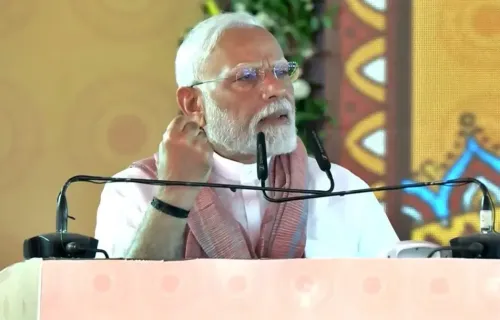
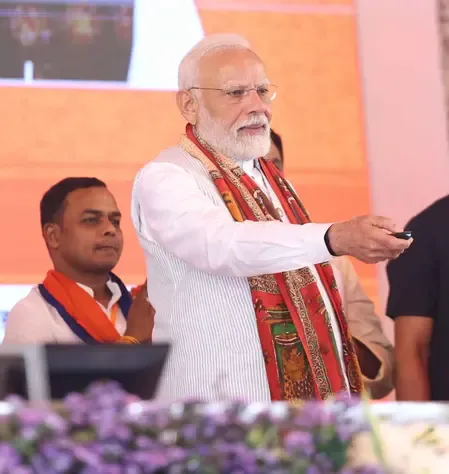
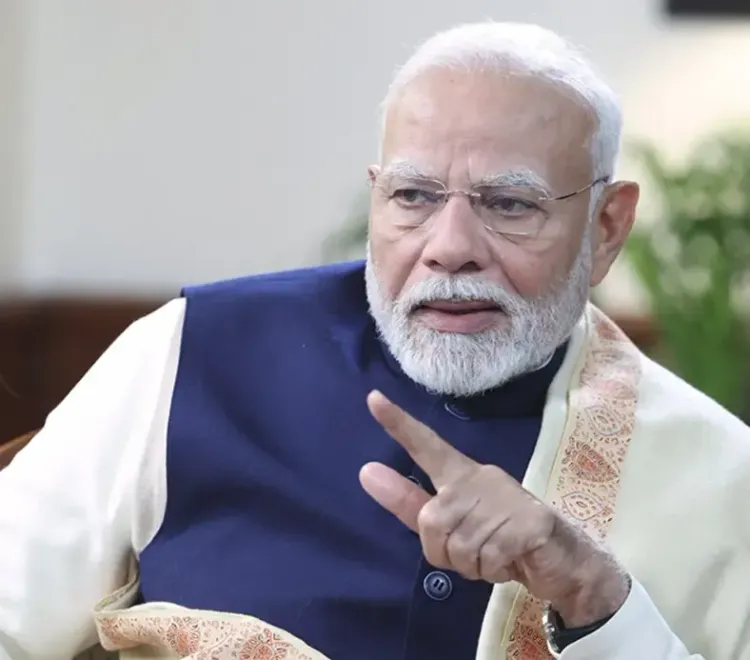
PM Narendra Modi on April 24, 2025 — National Panchayati Raj Day — lauded Panchayati Raj functionaries for their inspiring dedication to public service at a national event in New Delhi .
The event marked 33 years of the 73rd Constitutional Amendment Act , which gave constitutional status to gram panchayats across India.
The 16th Finance Commission has recommended grants for Rural Local Bodies reflecting an 84 per cent increase over the 15th Finance Commission allocations, in a major fiscal boost.
A new 80:20 ratio between Basic Grants and Performance Grants will incentivise panchayats to mobilise their own revenue sources to access additional funding.
Singh Baghel linked panchayat empowerment directly to the Viksit Bharat mission, citing capacity-building programmes that have transformed women's leadership in local governance.
Elected representatives from Haryana , Uttar Pradesh , and Uttarakhand participated, with Panchayati Raj Secretary Vivek Bharadwaj calling on PRIs to augment own-source revenues to qualify for performance grants.
New Delhi, April 24: Prime Minister Narendra Modi on Friday praised the dedication of elected representatives and functionaries of Panchayati Raj and Rural Local Bodies (RLBs) on National Panchayati Raj Day, calling their commitment to public service a source of genuine inspiration for the entire nation. The event, held in New Delhi, marked 33 years of the landmark 73rd Constitutional Amendment Act, which institutionalised grassroots democratic governance across India.
PM Modi's Message: Women and Youth as Catalysts
In a message read out at the national observance, PM Modi underscored that empowered panchayats serve as the backbone of local governance and the most critical link in Jan Bhagidari — or people's participation — transparency, and holistic development. He specifically highlighted that the active involvement of women and youth can significantly amplify the effectiveness of panchayats at the ground level.
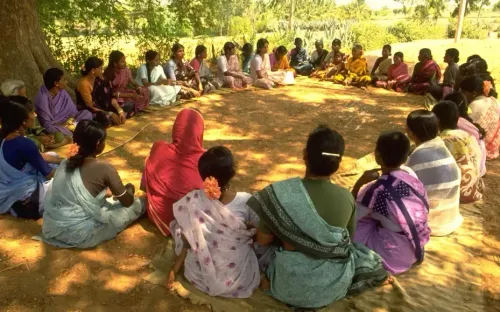
This emphasis on women's participation is not incidental. Over 1.4 million elected women representatives currently serve in panchayats across India, according to government data — a number that reflects decades of constitutional mandates for reservation, yet one that critics argue has not always translated into real decision-making power at the village level.
Viksit Bharat Vision Anchored in Village Development
Union Minister of State for Panchayati Raj, S.P. Singh Baghel, addressed the gathering and stressed that empowering panchayats is central to realising the Viksit Bharat vision — a developed India rooted firmly in the progress of villages, farmers, and local communities. He pointed to the Ministry's capacity-building programmes as having driven a visible transformation in leadership and decision-making, particularly among women elected representatives.
Baghel also commended the role of transparent governance mechanisms and Direct Benefit Transfers (DBT) in strengthening service delivery at the grassroots level — a system that has disbursed over ₹38 lakh crore since its inception, according to the government's own DBT portal data. He called upon all Panchayat representatives to uphold values of service, integrity, and development-oriented leadership, asserting that a robust Panchayati Raj system is the surest foundation for a self-reliant India.
16th Finance Commission: A Historic 84% Grant Increase
Panchayati Raj Secretary Vivek Bharadwaj delivered perhaps the most consequential announcement of the event — highlighting the financial empowerment of Rural Local Bodies as recommended by the Sixteenth Finance Commission. The recommended grant represents a near 84 per cent increase over allocations made under the Fifteenth Finance Commission, marking a decisive strengthening of fiscal federalism in favour of the third tier of government.
Bharadwaj elaborated on the proposed 80:20 ratio between Basic Grants and Performance Grants. This structure balances assured resource flows with built-in incentives for improved own-source revenue mobilisation, financial discipline, and quality of local governance. The Performance Grant component is directly linked to how effectively panchayats generate their own revenues — a mechanism designed to reward fiscal responsibility and reduce dependence on central transfers.
He urged all Panchayati Raj Institutions (PRIs) to take concrete steps to augment their own revenue sources in order to qualify for these performance-linked grants — a call that carries significant weight given that most panchayats across India remain heavily dependent on state and central devolution.
Participation and Ground Reality
Elected representatives of Gram Panchayats, along with officials from Haryana, Uttar Pradesh, and Uttarakhand, participated in the national event. The inclusion of these three states is notable — all three are BJP-governed, and their panchayat governance models have been cited both as examples of effective devolution and, by critics, as areas where financial autonomy of local bodies remains constrained.
This comes amid broader national conversations about whether the spirit of the 73rd Amendment — which envisioned genuine devolution of power, functions, and finances to panchayats — has been fully realised three decades on. Studies by institutions such as the Economic and Political Weekly and NITI Aayog have repeatedly flagged gaps between constitutional intent and on-ground implementation, particularly in states that have been slow to devolve all 29 subjects listed in the Eleventh Schedule.
What This Means Going Forward
The 84 per cent hike in grants recommended by the 16th Finance Commission, if implemented fully, could be transformative for rural infrastructure, sanitation, water supply, and local employment generation. However, the performance-linked component introduces a new accountability layer that will require significant capacity upgrades in financial management at the panchayat level.
With Gram Sabha meetings, digital governance tools, and geo-tagged asset tracking already being rolled out under the e-Gram Swaraj platform, the government appears committed to modernising grassroots governance. The true test will be whether states expedite the transfer of both funds and functionaries to panchayats — something that has historically lagged behind legislative intent.
As India approaches its centenary of independence in 2047, the performance of its nearly 2.55 lakh gram panchayats will be a decisive factor in determining whether the Viksit Bharat goal translates from political aspiration to lived reality for over 65 per cent of Indians who reside in rural areas.
Point of View
The gap between constitutional aspiration and fiscal reality has been the defining failure of rural governance. The 16th Finance Commission's recommended 84 per cent grant increase is significant on paper — but the real accountability test lies with state governments, many of which have historically treated panchayats as administrative outposts rather than genuine units of self-government. PM Modi's emphasis on women and youth participation is politically resonant, but until states fully devolve all 29 Eleventh Schedule subjects alongside funds and functionaries, National Panchayati Raj Day risks remaining a ceremonial milestone rather than a transformative one.
NationPress
22 Sept 2026
Frequently Asked Questions
What is National Panchayati Raj Day and why is it celebrated on April 24?
National Panchayati Raj Day is observed every year on April 24 to commemorate the enactment of the 73rd Constitutional Amendment Act in 1992, which gave constitutional status to Panchayati Raj Institutions. The 2025 event marked 33 years of this landmark legislation that institutionalised grassroots democratic governance in India.
What did PM Modi say on National Panchayati Raj Day 2025?
PM Modi, in a message read at the national event in New Delhi, praised elected representatives and functionaries of Panchayati Raj and Rural Local Bodies for their inspiring dedication to public service. He also stressed that active participation of women and youth can make panchayats significantly more effective.
What is the 16th Finance Commission's recommendation for Rural Local Bodies?
The 16th Finance Commission has recommended grants for Rural Local Bodies that represent an approximately 84 per cent increase over allocations made under the 15th Finance Commission. The grants follow an 80:20 ratio between Basic Grants and Performance Grants, with the latter linked to panchayats' own-source revenue mobilisation.
What is the significance of the 73rd Constitutional Amendment for panchayats?
The 73rd Constitutional Amendment Act of 1992 gave constitutional recognition to Panchayati Raj Institutions and mandated the devolution of powers, functions, and finances to gram panchayats. It also required reservation of seats for women and Scheduled Castes and Tribes in local body elections.
How many gram panchayats are there in India and how many women represent them?
India has approximately 2.55 lakh gram panchayats forming the foundation of its rural governance structure. Over 1.4 million elected women representatives currently serve across panchayats nationally, a figure driven by constitutional mandates for reservation in local body elections.