CM Fadnavis: 40% of India's Major Water Projects Are in Maharashtra
Synopsis
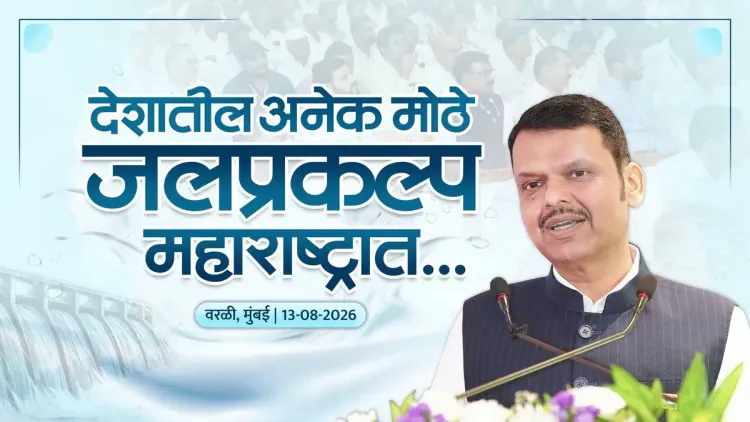
At the MWRRA anniversary symposium in Mumbai on 13 August 2026, CM Devendra Fadnavis declared that 40 per cent of India's major water projects are in Maharashtra, spotlighting the state's vast irrigation network and the regulatory body created in 2005 to govern it.
Key Takeaways
CM Devendra Fadnavis stated that 40% of India's total major water projects are located in Maharashtra .
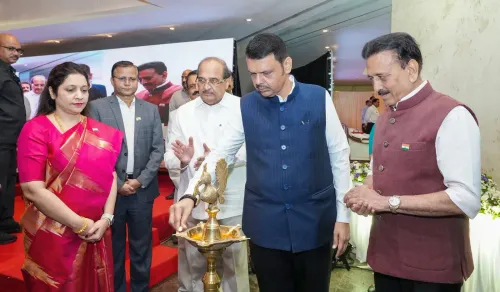
The claim was made at a symposium and workshop in Mumbai on 13 August 2026 to mark the anniversary of the MWRRA .
The Maharashtra Water Resources Regulatory Authority was established under a 2005 Act to regulate water allocation and tariffs independently.
Maharashtra's large irrigation portfolio spans the Godavari, Krishna, Tapi and Bhima river systems.
Regions like Vidarbha and Marathwada remain under-served despite proximity to major reservoirs, keeping equitable allocation a live policy challenge.
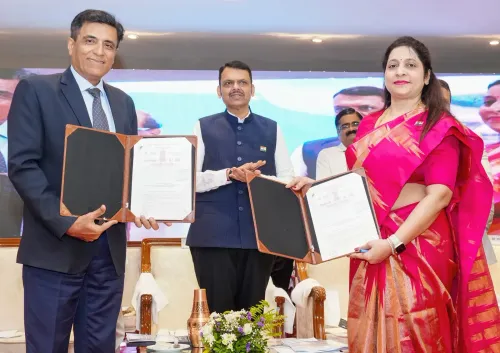
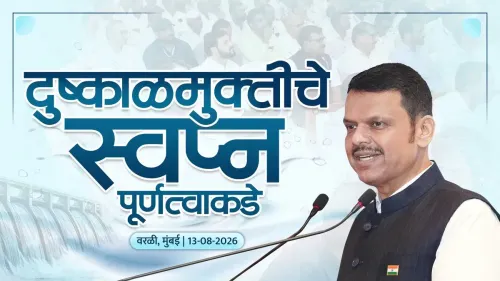
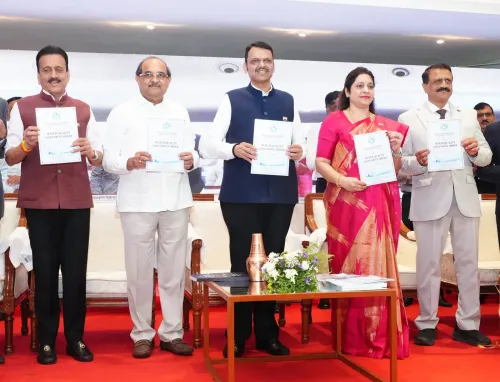
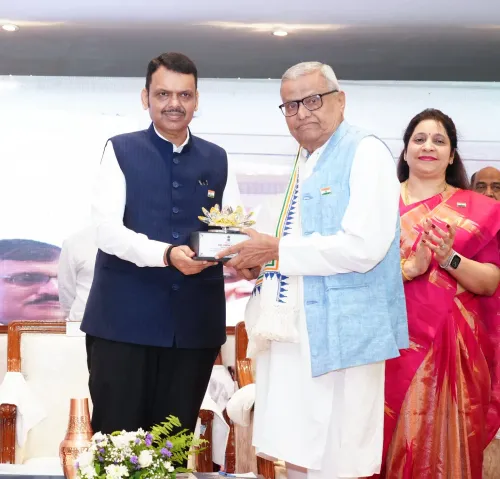
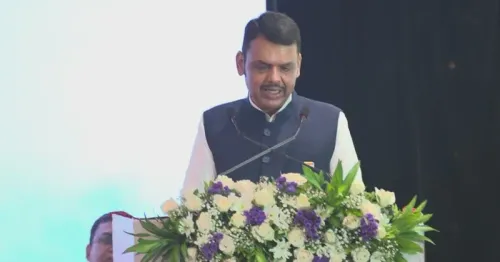
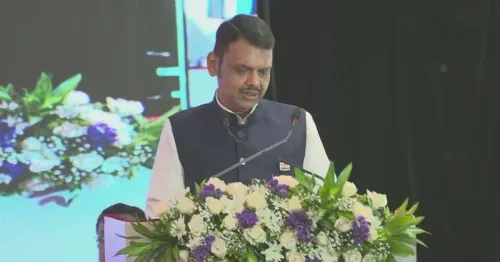
One number stopped the room at Mumbai's water-policy gathering on 13 August 2026: 40 per cent of all major water projects in India sit inside a single state. Maharashtra Chief Minister Devendra Fadnavis cited that figure at a symposium and workshop marking the anniversary of the Maharashtra Water Resources Regulatory Authority (MWRRA), framing the state's vast irrigation infrastructure as both a point of pride and a governance responsibility.
Maharashtra's Dam Legacy and What It Means Today
Maharashtra's outsized share of the country's major irrigation projects is rooted in decades of river-basin development across the Godavari, Krishna, Tapi and Bhima river systems. The state built one of India's most extensive dam portfolios through the latter half of the twentieth century, and that infrastructure base has made it central to national conversations on water security and agricultural supply.
Successive state governments have leaned on this network when making the case for agricultural investment and rural employment. The sheer scale also means that how Maharashtra manages water — who gets it, at what cost, under what rules — has consequences well beyond its own borders.
MWRRA at the Centre of the Allocation Debate
The Maharashtra Water Resources Regulatory Authority was created under the Maharashtra Water Resources Regulatory Authority Act, 2005 to act as an independent referee in a system that had long been plagued by allocation disputes and opaque pricing. Its mandate covers water tariff-setting, equitable distribution among farmers and industrial users, and cost recovery from a network that demands continuous maintenance investment.
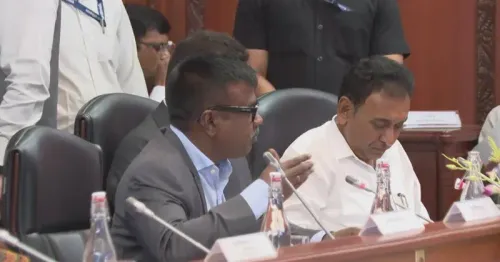
The anniversary event — held in Mumbai — brought together irrigation officials, policy researchers and water-sector stakeholders for a symposium and workshop format, signalling that the government views regulatory reform, not just dam construction, as the next frontier of water governance.
What the 40% Claim Puts on the Table
If Maharashtra does hold 40 per cent of the country's major water projects, the implication is pointed: the state's regulatory capacity, maintenance spending and inter-district equity directly shape national irrigation outcomes. Farmers across the Vidarbha and Marathwada regions — historically under-served despite proximity to large reservoirs — will be watching whether the anniversary event translates into concrete allocation reforms or remains a policy milestone on paper.
MWRRA's next annual performance report and the state's upcoming budget pronouncements on irrigation will be the first tests of whether the government's confidence in its water infrastructure is matched by investment in making it work for every farmer it is meant to serve.
Point of View
Lending weight to any future demands for central funding or inter-state water-sharing negotiations. The choice of the MWRRA platform — rather than a political rally — signals an intent to ground the claim in institutional credibility. Yet the figure also implicitly raises accountability: a state holding that share of the country's major projects will face harder questions if irrigation outcomes for smallholder farmers in Vidarbha and Marathwada continue to lag. The event's workshop format suggests the government is at least engaging technocratic channels, but the policy arc from anniversary symposium to on-ground reform has historically been long in Maharashtra's water sector.
NationPress
13 Aug 2026
Frequently Asked Questions
What did CM Devendra Fadnavis say about Maharashtra's water projects?
CM Fadnavis stated that 40 per cent of all major water projects in India are located in Maharashtra alone, speaking at the MWRRA anniversary symposium in Mumbai on 13 August 2026.
What is MWRRA and why was it created?
The Maharashtra Water Resources Regulatory Authority (MWRRA) was set up under the Maharashtra Water Resources Regulatory Authority Act, 2005, to independently regulate water allocation, tariff-setting and cost recovery across the state's extensive irrigation network.
Why does Maharashtra have so many major irrigation projects?
Maharashtra developed one of India's largest dam portfolios over several decades by harnessing major river systems including the Godavari, Krishna, Tapi and Bhima, driven by agricultural water demand and successive state government investment in irrigation infrastructure.
Which regions in Maharashtra face water access challenges despite large projects?
Vidarbha and Marathwada are historically under-served regions in Maharashtra; despite being located near large reservoirs, farmers there have long faced inequitable water distribution, making allocation reform a persistent policy challenge.
What should we watch for next on Maharashtra water policy?
MWRRA's next annual performance report and Maharashtra's upcoming state budget announcements on irrigation spending will indicate whether the government's emphasis on water infrastructure translates into concrete reforms for farmers.