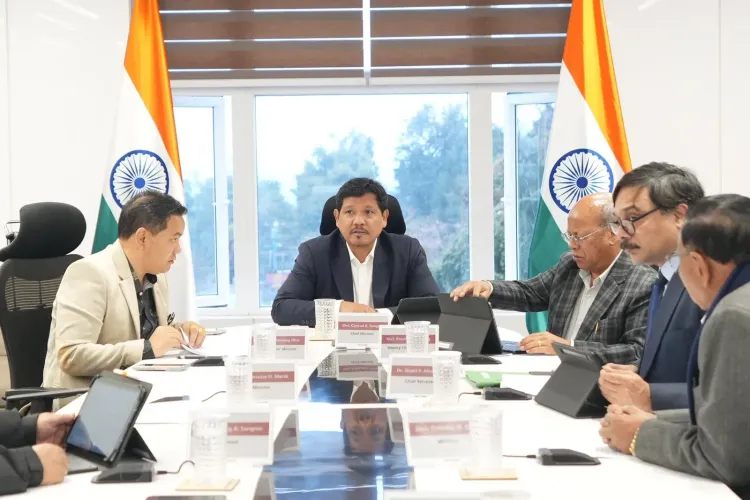
CM Conrad Sangma clears land swap for Lakadong Turmeric Plant
Synopsis
Meghalaya CM Conrad Sangma announced cabinet approval for a minor land substitution — a 100-200 metre plot shift in the same village — for the Integrated Lakadong Turmeric Processing Plant, keeping the GI-tagged spice's value-chain project on course.
Key Takeaways
Meghalaya cabinet approved a land substitution for the Integrated Lakadong Turmeric Processing Plant on 19 November 2026 .
The revised plot is in the same village, approximately 100–200 metres from the original site, with no change in land area, ownership, or purchase rate.
Lakadong turmeric holds a GI tag and is valued for its high curcumin content, making value-chain infrastructure strategically significant for Meghalaya farmers.
CM Conrad Sangma tagged Union minister Chirag Paswan , signalling central-state coordination on the project.
The land resolution clears the way for construction and commissioning timelines to advance as planned.
A cabinet decision in Meghalaya has cleared a minor but consequential hurdle for one of the state's most closely watched agricultural infrastructure projects — the Integrated Lakadong Turmeric Processing Plant. Meghalaya Chief Minister Conrad Sangma announced on Thursday, 19 November 2026 that the cabinet has approved a land substitution that keeps the project firmly on track, without altering its scope, cost, or ownership structure.
Same village, shifted plot — what actually changed
The revised plot sits in the same village as the originally approved site, displaced by roughly 100 to 200 metres, with no change in land area, ownership, or purchase rate. CM Sangma's post was explicit: 'The substitution was necessitated by local circumstances and will allow the project to proceed as planned.' The cabinet's willingness to resolve a site-level complication at the highest approval tier signals how seriously Meghalaya treats this particular project's delivery.
Why Lakadong turmeric commands this level of attention
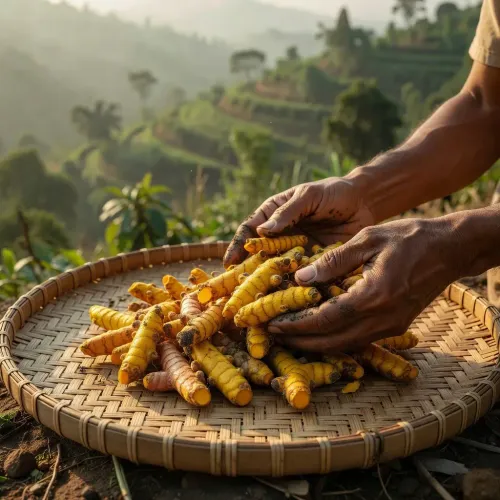
Lakadong turmeric is not ordinary spice. The variety, grown in Meghalaya's hills, carries a Geographical Indication (GI) tag and is prized for its exceptionally high curcumin content — the bioactive compound that drives demand from both domestic food processors and international health-product markets. For years, however, farmers have sold raw rhizomes at modest prices, with the value-addition margin captured downstream, often outside the state. The Integrated Lakadong Turmeric Value Chain Enhancement Project is designed to close that gap by anchoring processing capacity close to the growers.
Chirag Paswan tagged — a signal of central-state coordination
CM Sangma tagged Chirag Paswan in the post, a pointed gesture toward central-government coordination on the project. While the precise funding architecture remains unconfirmed in public record, the tag underlines that Meghalaya is not treating this as a purely state-funded exercise — and that New Delhi's food-processing infrastructure channels may be in play. Cabinet-level land approvals of this kind are routine in project execution, but tagging a Union minister publicly puts the project's progress on a shared political record.
What farmers and processors are watching next
With the land question resolved, the next milestones are construction timelines and commissioning dates for the plant itself. Turmeric farmers in the region — the ultimate beneficiaries of a local processing hub — will be looking for concrete announcements on farmer-linkage mechanisms and procurement rates. Processing infrastructure alone does not transform incomes; the contracts and aggregation models that connect smallholders to the plant are the real test of delivery.
Meghalaya has built a case study in GI-crop branding; the Lakadong processing plant is where that branding meets bricks, machinery, and livelihoods.
Point of View
CM Sangma is effectively co-authoring the project's political accountability with the Centre, a smart move that keeps central funding attention alive. The real test will come at commissioning: whether the plant generates durable farmer linkages or becomes another underutilised facility will define Lakadong turmeric's commercial trajectory. This cabinet decision is small in itself but marks a checkpoint in a longer arc of agricultural value-capture that Meghalaya's economy badly needs.
NationPress
19 Nov 2026
Frequently Asked Questions
What is the Integrated Lakadong Turmeric Processing Plant in Meghalaya?
It is a planned food processing facility under the Integrated Lakadong Turmeric Value Chain Enhancement Project, designed to add processing capacity close to where Lakadong turmeric — a GI-tagged, high-curcumin variety — is grown in Meghalaya, so farmers capture more value from the crop.
Why did Meghalaya cabinet approve a land substitution for the turmeric plant?
The cabinet approved a substitution because local circumstances required a shift of the plot. The new site is in the same village, roughly 100–200 metres from the original, with no change in land area, ownership, or purchase rate.
What is Lakadong turmeric and why does it have a GI tag?
Lakadong turmeric is a variety grown in Meghalaya's hills, known for its exceptionally high curcumin content. It holds a Geographical Indication tag that legally certifies its origin and distinctive quality, supporting premium pricing in domestic and international markets.
Why did CM Conrad Sangma tag Chirag Paswan in his post about the turmeric project?
The tag signals central-state coordination on the project. Chirag Paswan is a Union minister, and the mention suggests the project may involve central government engagement or food-processing infrastructure support, though specific funding details are not confirmed in the public record.
What happens next for the Lakadong Turmeric Processing Plant?
With the land issue resolved, the next key milestones are construction start and commissioning timelines for the plant, along with announcements on farmer-linkage mechanisms and procurement arrangements that will connect turmeric growers to the new facility.