Bihar CM Samrat Chaudhary Reviews Public Health Engineering Dept
Synopsis
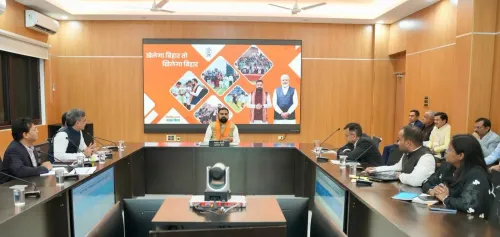
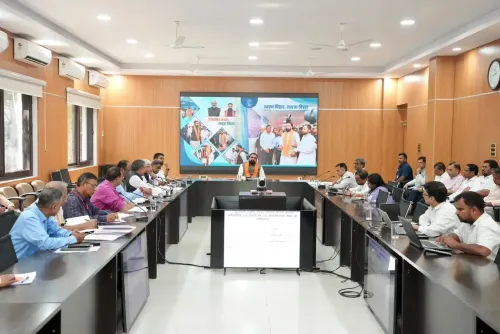
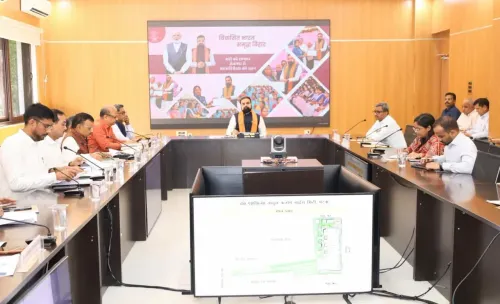
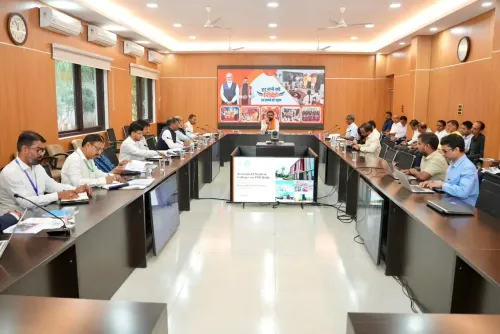
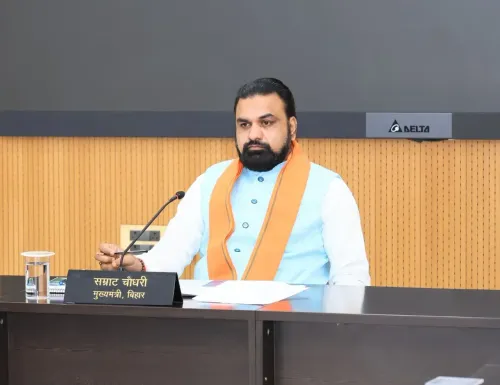
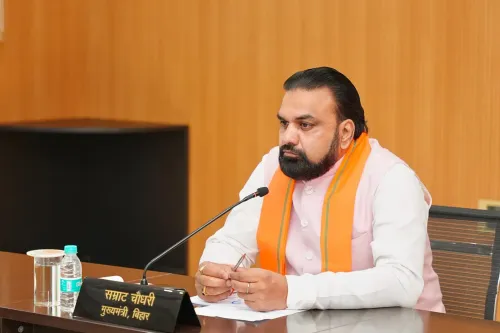
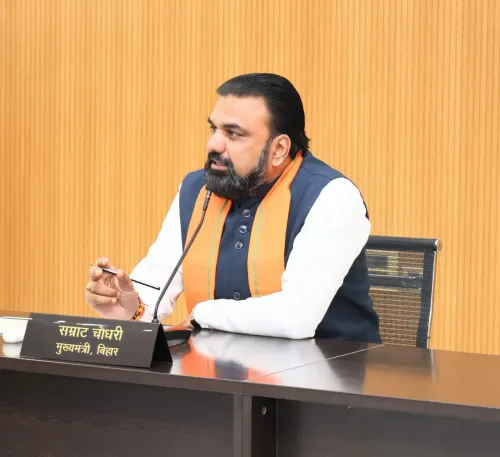
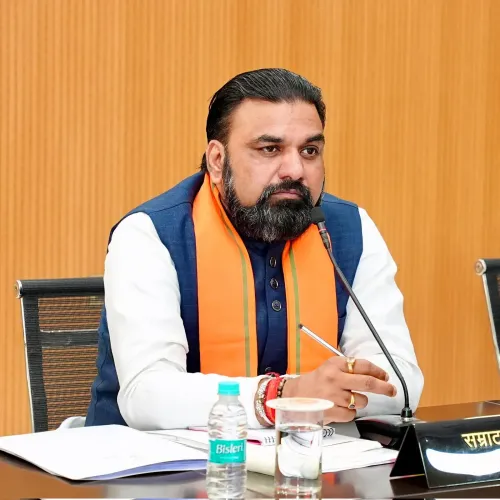
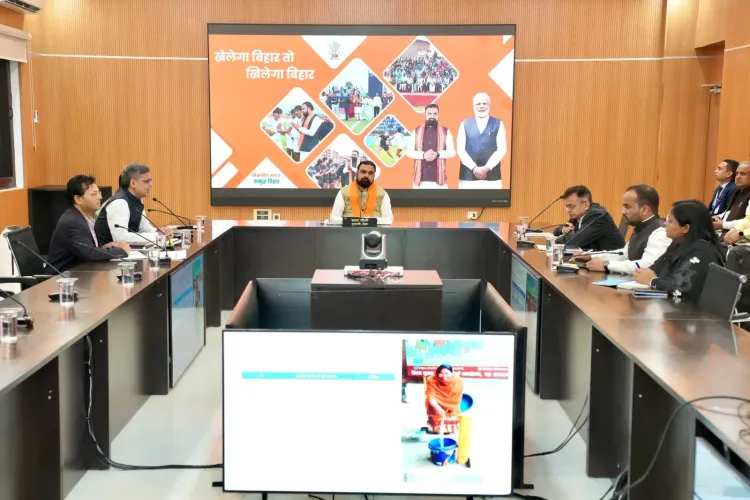
Bihar Chief Minister Samrat Chaudhary convened a review meeting of the Public Health Engineering Department at the Sankalp auditorium in Patna on 19 November 2026, signalling direct executive oversight of drinking water and sanitation delivery in the state.
Key Takeaways
CM Samrat Chaudhary chaired a review of the Public Health Engineering Department on 19 November 2026 .
The meeting was held at the 'Sankalp' auditorium inside Lok Sevak Avas , the official CM residence complex in Patna .
The Public Health Engineering Department oversees rural and urban drinking water supply and sanitation infrastructure across Bihar.
Bihar is a key state for the central government's Jal Jeevan Mission , which targets household tap-water connections for every rural family.
Direct review by the chief minister places scheme delivery and fund utilisation under the highest level of executive scrutiny.
Bihar's Chief Minister held a focused administrative review on Thursday, 19 November 2026, convening officials of the Public Health Engineering Department at the 'Sankalp' auditorium inside Lok Sevak Avas — the official residence complex in Patna. The meeting signals the government's intent to tighten oversight of one of the state's most critical infrastructure departments.
The Chief Minister's Office confirmed that Chief Minister Samrat Chaudhary chaired the session, bringing department heads face-to-face with the top executive to assess progress. Review meetings of this kind are typically structured around scheme-wise targets, fund utilisation figures, and on-ground delivery gaps — not ceremonial announcements.
What the Public Health Engineering Department controls
The Public Health Engineering Department (PHED) is Bihar's nodal body for rural and urban drinking water supply and sanitation infrastructure. Its mandate covers everything from tube-well installation to piped water networks in villages. At its core sits the Jal Jeevan Mission — the central government's flagship programme to deliver a functional household tap connection to every rural family in India. Bihar, with one of the country's largest rural populations, is among the most consequential states for the scheme's national scorecard.
Departmental review meetings chaired by a chief minister carry a clear administrative signal: performance data is being read at the highest level, and implementing officials are accountable in real time. Physical progress, pending works, and unspent allocations typically come under scrutiny in such sessions.
Why Lok Sevak Avas and 'Sankalp' matter
The 'Sankalp' — meaning 'resolve' or 'commitment' — auditorium at Lok Sevak Avas has become a regular venue for high-level departmental reviews in Patna. Holding the meeting at the CM's official premises rather than the department's own office underscores its seniority. It places the accountability loop squarely with the chief minister rather than deferring to the bureaucratic chain.
Any follow-up directives — fresh timelines, corrective orders, or reallocation of funds — are likely to emerge in the days after the review, as departments respond to the chief minister's observations.
Point of View
Where rural water infrastructure delivery has historically lagged, the signal from such a meeting is substantive: the CM is personally tracking numbers. If Jal Jeevan Mission targets are behind schedule, a review of this kind often precedes administrative reshuffles or fresh deadline mandates. The choice of the symbolic 'Sankalp' venue reinforces the messaging around executive resolve.
NationPress
19 Nov 2026
Frequently Asked Questions
What is the Public Health Engineering Department in Bihar?
The Public Health Engineering Department (PHED) in Bihar is the state agency responsible for providing rural and urban drinking water supply and sanitation infrastructure, including implementation of the Jal Jeevan Mission for household tap connections.
What is the Jal Jeevan Mission and why does Bihar matter for it?
Jal Jeevan Mission is a central government scheme to provide a functional tap-water connection to every rural household in India. Bihar, with one of the country's largest rural populations, is a critical state for the programme's overall national targets.
Where is Lok Sevak Avas in Patna?
Lok Sevak Avas is the official residential-cum-office complex of the Bihar Chief Minister in Patna. The 'Sankalp' auditorium within it is used regularly for high-level administrative and departmental review meetings.
What happens after a chief minister's departmental review meeting?
Such reviews typically result in follow-up directives covering fresh delivery timelines, correction of under-performing districts or contractors, and possible reallocation of budgetary funds to accelerate scheme implementation.
Who is the Chief Minister of Bihar?
According to the Chief Minister's Office of Bihar's official communication, Samrat Chaudhary is the Chief Minister of Bihar.