CM Bhupendrabhai Patel dines with tribal family in Dahod
Synopsis
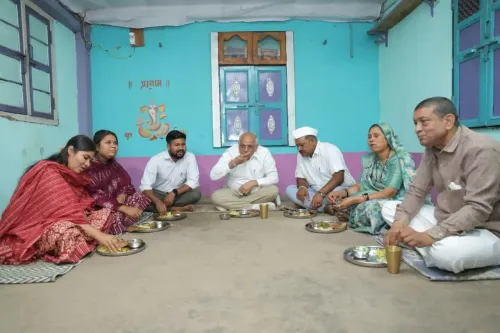
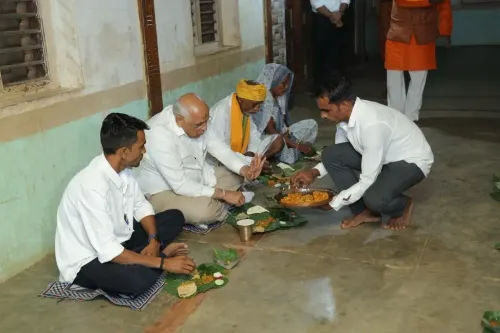
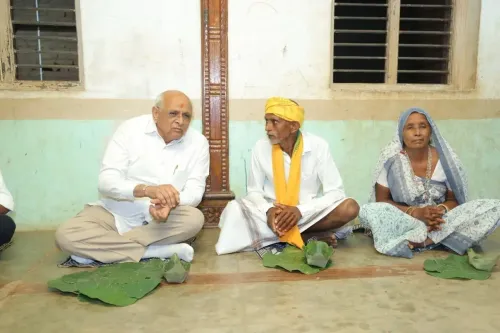
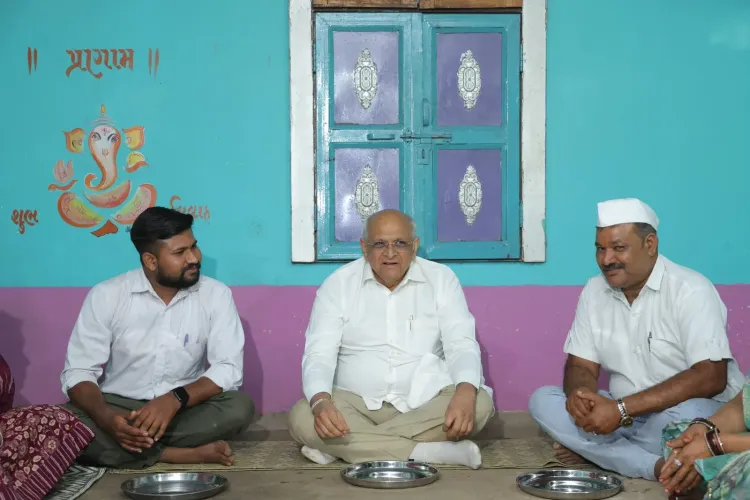
Gujarat Chief Minister Bhupendrabhai Patel visited the home of Jasvantsinh Rathod in Bhama Talai Faliya, Garbada taluka on the second day of his three-day Dahod district tour, conversing with the family and sharing a traditional Adivasi meal.
Key Takeaways
CM Bhupendrabhai Patel is on a three-day tour of Dahod district in eastern Gujarat.
On the second evening, he visited the home of Jasvantsinh Rathod in Bhama Talai Faliya, Garbada taluka .
The Chief Minister conversed with the family and ate traditional Adivasi cuisine during the visit.
Dahod has a large tribal population and is a focus of state development and welfare efforts.
One more day of the tour remains, with potential follow-up announcements on local development expected.
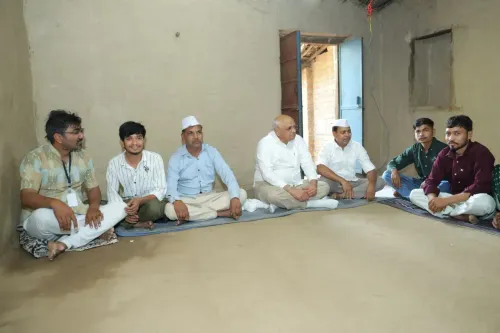
On the second evening of his three-day tour of Dahod district, Gujarat Chief Minister Bhupendrabhai Patel walked into the home of Jasvantsinh Rathod in the small hamlet of Bhama Talai Faliya, Garbada taluka — sat with the family, and shared a meal of traditional Adivasi food.
The Chief Minister's Office confirmed the visit late on Thursday, 19 November 2026, posting photographs of the interaction. The Gujarati-language post noted that CM Patel 'parivaarjanon sathe samvaad karyo' — conversed with family members — and savoured locally prepared traditional cuisine, a moment that underscores the human texture the state government seeks to project through these extended district tours.
Why Dahod, and why a home visit
Dahod is one of eastern Gujarat's most significant Adivasi districts, home to a predominantly tribal population that has long been the focus of state welfare and development programmes. Multi-day district immersion tours by Gujarat's Chief Ministers are an established practice — combining administrative reviews with direct, doorstep contact with ordinary citizens rather than curated press conferences.
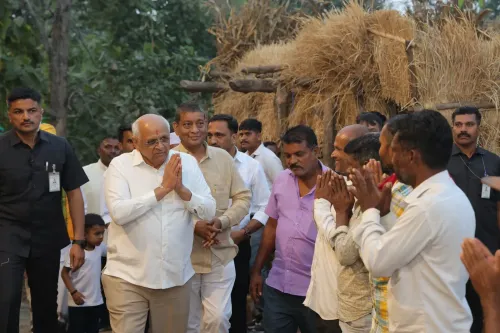
Arriving at Rathod's home 'late in the evening' adds weight to the gesture: this was not a staged daytime photo-op but an end-of-day stopover in one of the taluka's smaller hamlets, the kind of visit that rarely makes it onto a formal itinerary. The Garbada taluka community and Adivasi families across the district are the intended audience — a signal from Gandhinagar that the government is present even in the farthest faliyas (hamlets).
The third day still to come
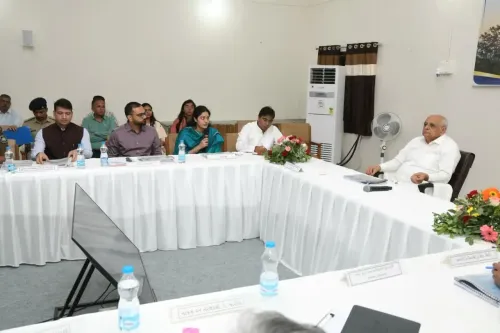
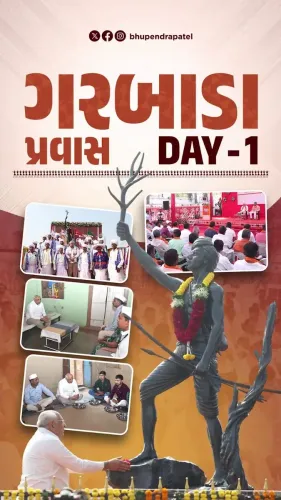
With one day of the Dahod tour still remaining, any announcements on local infrastructure, tribal welfare schemes, or development works are expected to follow. The Chief Minister's Office has been posting under the hashtag #CMatDahod, tracking the tour as it unfolds.
A Chief Minister breaking bread in a tribal hamlet is a small act — but in Gujarat's political grammar, it is a deliberately legible one: governance at the last mile, made visible.
Point of View
Particularly in Adivasi belts. For CM Patel, whose political identity is rooted in accessible, low-drama administration, breaking bread in a hamlet underscores a continuity with his predecessor's style of periodic grassroots outreach. With Dahod's tribal population a core constituency in eastern Gujarat, the symbolic weight of such visits — especially when documented and amplified by the CMO's social media — should not be underestimated as the state keeps an eye on local sentiment.
NationPress
19 Nov 2026
Frequently Asked Questions
Why did Gujarat CM Bhupendrabhai Patel visit Dahod?
CM Bhupendrabhai Patel is on a three-day administrative and outreach tour of Dahod district in eastern Gujarat, which has a large Adivasi population and is a focus of state development programmes.
Where is Bhama Talai Faliya located?
Bhama Talai Faliya is a hamlet in Garbada taluka, Dahod district, in eastern Gujarat.
What did CM Patel do at Jasvantsinh Rathod's home?
CM Patel conversed with the family members and shared a meal of traditional Adivasi cuisine during his late-evening visit.
How long is CM Patel's Dahod district tour?
The tour spans three days; the home visit took place on the second day, with one day of the tour still remaining.
What is the significance of Dahod for the Gujarat government?
Dahod is one of Gujarat's major Adivasi-majority districts in the eastern belt and has historically been a priority area for tribal welfare and development initiatives by the state government.