CM Bhupendra Patel dines with tribal family in Dahod village
Synopsis
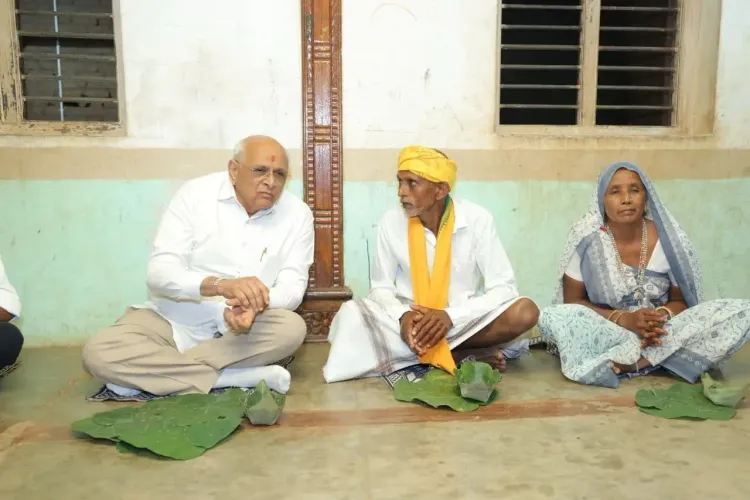
Gujarat Chief Minister Bhupendra Patel sat on the floor with a tribal Tadvi family in Bhindol village, Dahod, eating traditional Adivasi food off leaf plates on the first night of his three-day Garbada tour — continuing a long Gujarat tradition of Chief Ministerial outreach into the eastern tribal belt.
Key Takeaways
CM Bhupendra Patel dined with a Tadvi Adivasi family in Bhindol village, Dhanpur, Dahod on 18 November 2026 .
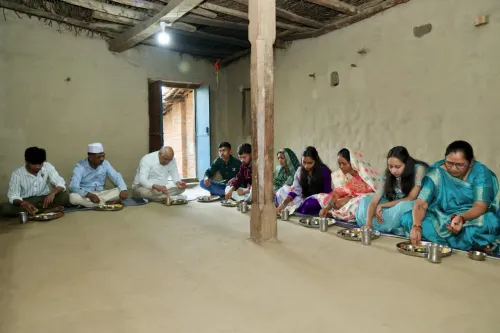
The meal was served on traditional padiya-patarali (leaf plates and bowls) and eaten while seated on the floor — in keeping with Adivasi household customs.
The visit is the first night of a three-day tour of the tribal region of Garbada in Dahod district .
Dahod has one of Gujarat's highest concentrations of Scheduled Tribe populations and has been a recurring focus of state outreach tours.
Two days of the Garbada tour remain, with potential district-level welfare or infrastructure announcements expected.
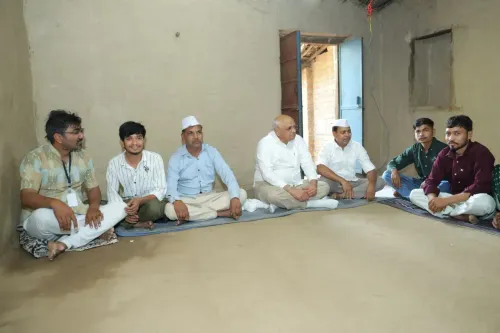
Seated cross-legged on the floor of a home in Bhindol village, Dhanpur, Gujarat Chief Minister Bhupendra Patel shared a traditional Adivasi meal served on padiya-patarali (leaf plates and bowls) with a Tadvi family on Wednesday, 18 November 2026 — the first night of his three-day tour of the tribal belt of Garbada, Dahod.
A night in Bhindol: what the CM did
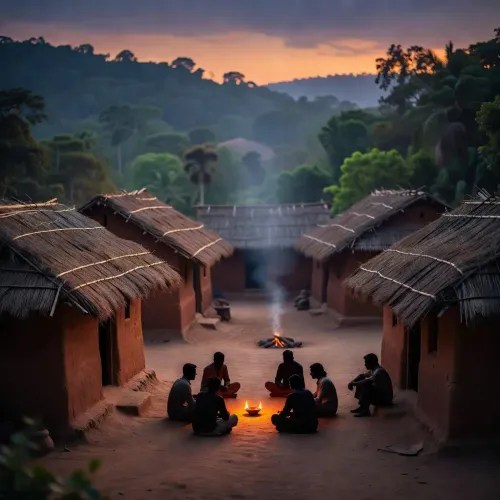
The Chief Minister's Office of Gujarat confirmed that Bhupendra Patel sat among the family members on the ground, forgoing any formal setting, and ate traditional tribal food off leaf plates — a custom deeply embedded in Adivasi household hospitality. The gesture, carried out on the first evening of a planned three-day visit to Garbada, was accompanied by the hashtag #CMatDahod, signalling an official framing of the tour as a grassroots engagement exercise.
Dahod's tribal profile and the pattern of CM outreach
Dahod is one of eastern Gujarat's most heavily tribal districts, home to a dense concentration of Scheduled Tribe communities including the Tadvi, Bhil, and Nayika groups. The district has featured repeatedly in state outreach programmes because of its demographic weight and its historically lower development indicators relative to Gujarat's urbanised western corridor.
Gujarat Chief Ministers have maintained a long-running tradition of visiting the state's eastern tribal belt — a pattern that stretches back to at least the early 2000s — combining cultural immersion with visibility for welfare and infrastructure programmes active under the Fifth Schedule framework for Scheduled Areas. Garbada, the specific tribal region within Dahod selected for this tour, sits at the heart of that belt.
Two more days in Garbada
With two days remaining on the schedule, attention will turn to whether Patel uses the remaining legs of the visit to announce district-level initiatives — infrastructure projects, livelihood schemes, or expansions of existing tribal welfare programmes. Such tours by Gujarat Chief Ministers have historically served as a platform for both cultural visibility and on-the-ground administrative signalling to Scheduled Area communities.
For the Tadvi family in Bhindol, an ordinary evening meal became a moment embedded in the state's official record — and a reminder that in Indian politics, who you eat with, and how you sit when you do, still carries weight.
Point of View
But a multi-day residential tour in a Scheduled Area carries an implicit promise of follow-through. How the remaining days translate into concrete announcements will determine whether this visit is remembered as a gesture or a governance moment.
NationPress
18 Nov 2026
Frequently Asked Questions
Where is CM Bhupendra Patel visiting on his three-day tribal tour?
CM Bhupendra Patel is visiting the tribal region of Garbada in Dahod district, eastern Gujarat. On the first night he stayed in Bhindol village in the Dhanpur area.
Which family did Gujarat CM Patel dine with in Dahod?
CM Patel dined with a Tadvi Adivasi family in Bhindol village, Dhanpur. He sat on the floor with family members and ate traditional tribal food served on leaf plates called padiya-patarali.
What is padiya-patarali?
Padiya-patarali refers to traditional leaf plates and bowls used by Adivasi communities in Gujarat to serve food, particularly during customary or community meals.
Why does Gujarat CM visit Dahod for tribal outreach?
Dahod is one of Gujarat's most heavily tribal districts, with a large Scheduled Tribe population and historically lower development indicators, making it a recurring focus of state welfare and outreach programmes.
How long is CM Bhupendra Patel's Garbada tour?
The tour is three days long. The first night was spent in Bhindol village, Dhanpur, with two more days remaining in the Garbada tribal area of Dahod district.