HP CM Office Holds Public Hearing at Tapovan, Dharamshala
Synopsis
The Chief Minister's Office of Himachal Pradesh conducted a direct public hearing at Tapovan, Dharamshala on November 18, 2026, issuing on-the-spot directions to officials and pledging that citizens need no intermediary to access their government.
Key Takeaways
The Chief Minister's Office of Himachal Pradesh held a public grievance session at Tapovan, Dharamshala on November 18, 2026 .
Officials were given on-the-spot directions to resolve issues raised by local residents.
The CMO explicitly pledged that citizens should be able to raise concerns without hesitation or the need for a recommendation ( sifarish ).
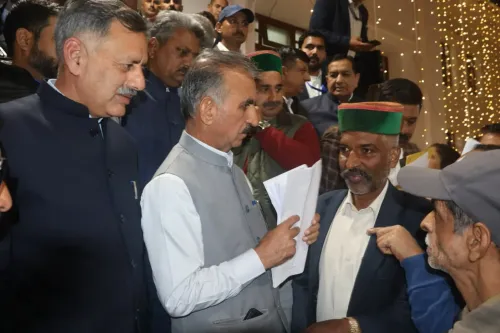
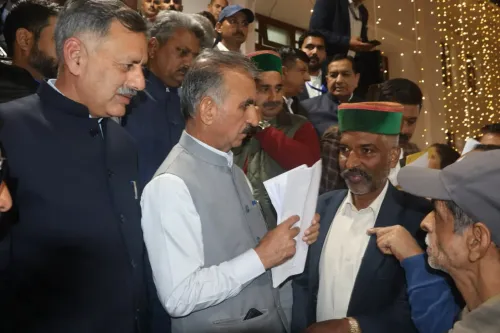
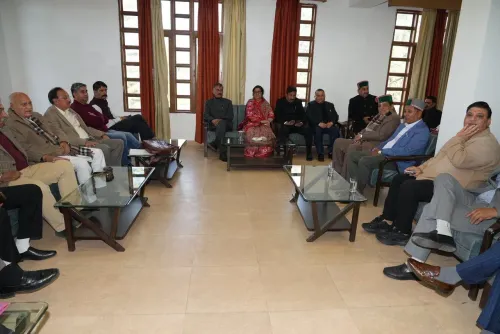
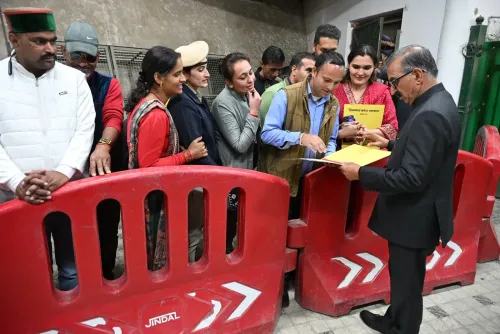
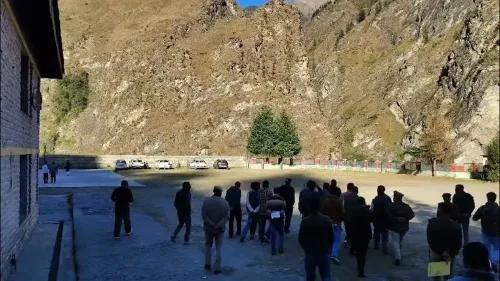
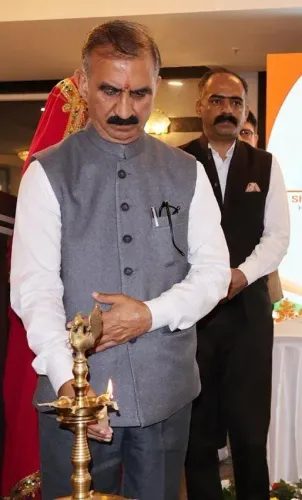
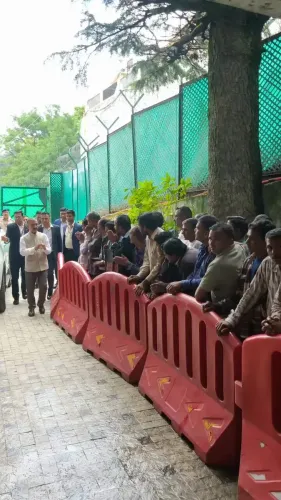
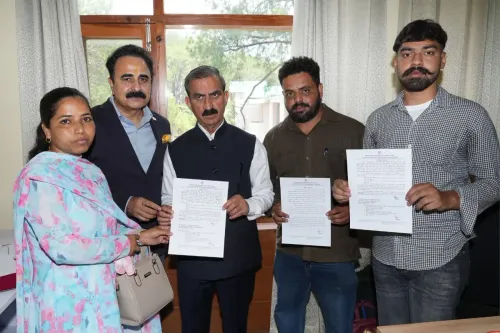
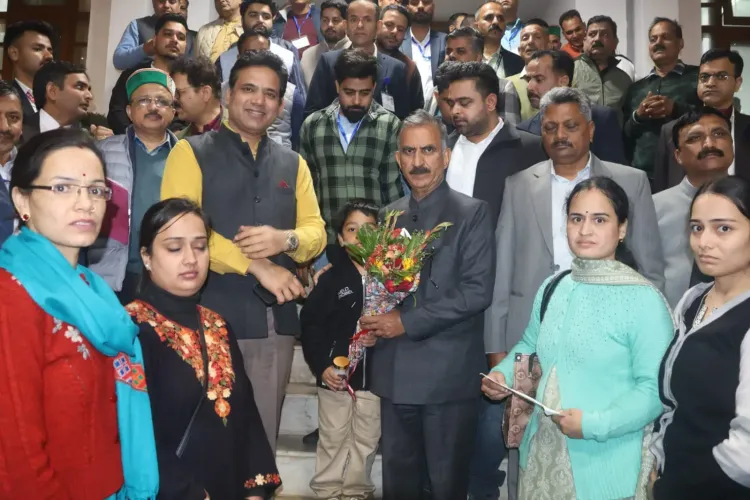
Eleven photographs were shared alongside the post, documenting the open public interaction.
Dharamshala is Himachal Pradesh's winter capital , and direct outreach visits address the state's geographic barriers to administration.
No appointment needed, no middleman required — the Chief Minister's Office of Himachal Pradesh brought governance to the doorstep of Tapovan, Dharamshala on Wednesday, November 18, 2026, listening to local residents' grievances and directing officials to resolve issues on the spot.
Direct dialogue at Tapovan
The CMO's post, written in Hindi, stated: 'Tapovan, Dharamshala mein sthaniya logon ki samasyaen sunin aur mauke par hi adhikariyon ko samadhan ke nirdesh diye' — 'Heard the problems of local people at Tapovan, Dharamshala and issued directions to officials for resolution on the spot.' The emphasis on immediacy — on-the-spot instructions rather than deferred committee reviews — signals a deliberate effort to cut through bureaucratic lag.
The post continued with a statement of governing philosophy: 'It is my belief that dialogue between the public and their representatives must always remain strong, so that an ordinary person can speak their mind without hesitation or the need for a recommendation.' Eleven photographs accompanied the post, showing what appears to be an open-air public interaction.
Why Dharamshala, and why this matters
Dharamshala serves as the winter capital of Himachal Pradesh, a state whose mountain geography makes centralised administration genuinely difficult. Villages are often hours from district headquarters; getting a complaint heard can require connections that most citizens do not have. A direct public hearing — no bureaucratic queue, no letter-writing — addresses precisely that gap.
Grievance redressal visits and open public hearings by state leadership have been a recurring feature of Himachal Pradesh's administrative culture. The practice reflects a broader pattern across Indian states, where chief ministers use on-site jansunwais (public hearings) as both a governance tool and a signal to subordinate officials that responsiveness is being watched from the top.
The 'no recommendation' pledge
The sharpest line in the post is the explicit rejection of sifarish — the recommendation or intermediary system that citizens across India navigate daily to access their own government. By framing the visit as a space where 'an ordinary person can speak without hesitation or recommendation,' the CMO is staking a position: access to public service should not depend on who you know. Whether the follow-through matches the promise is the question that residents of Tapovan — and every other district — will be watching.
Point of View
Where geography fragments administrative reach, these visits carry practical weight beyond optics. The explicit rejection of sifarish culture is notable: it frames access to public services as a right, not a favour mediated by influence. How consistently this model is applied across all districts — not just the winter capital — will determine whether it reshapes administrative culture or remains a periodic showcase.
NationPress
18 Nov 2026
Frequently Asked Questions
What happened at Tapovan, Dharamshala on November 18 2026?
The Chief Minister's Office of Himachal Pradesh held a public grievance hearing at Tapovan, Dharamshala, where local residents could raise their problems directly and officials were directed to resolve issues on the spot.
What is a jansunwai in Indian state governance?
A jansunwai is a public hearing session where elected representatives or senior officials listen to citizens' complaints directly, without requiring formal applications or intermediaries — a practice common across Indian states.
Why is Dharamshala significant for Himachal Pradesh?
Dharamshala serves as the winter capital of Himachal Pradesh, making it a key administrative hub where state government functions are relocated during the winter months.
What did the HP CMO mean by 'no recommendation needed'?
The post rejected the culture of sifarish — using personal connections or recommendations to access government services — pledging that any ordinary citizen should be able to raise concerns freely and directly.
Does the Himachal Pradesh government regularly conduct public outreach visits?
Yes, grievance redressal visits and direct public hearings have been a recurring feature of Himachal Pradesh's administrative approach, particularly given the state's challenging mountain geography.