Goyal Flags Cricket and Business as New Pillars of India-Italy Ties
Synopsis
Commerce Minister Piyush Goyal framed cricket and business as twin pillars of a renewed India-Italy relationship, signalling New Delhi's soft-power-meets-trade approach to European diplomacy as bilateral engagement enters a new chapter.
Key Takeaways
Commerce and Industry Minister Piyush Goyal declared cricket and business are defining a 'whole new exchange' in India-Italy ties.
The post was shared on Wednesday, November 18, 2026 , signalling active bilateral engagement.
Italy is a G7 manufacturing power with longstanding diplomatic ties to India and operates within the India-EU diplomatic framework.
India has consistently pursued a dual-track strategy with European partners — hard trade diplomacy complemented by cultural and soft-power engagement.
Stakeholders including Indian businesses and Italian investors are expected to watch for follow-up delegation visits or trade facilitation announcements.
Cricket's inclusion alongside commerce underscores India's expanding use of sport as a bilateral diplomacy tool with European partners.
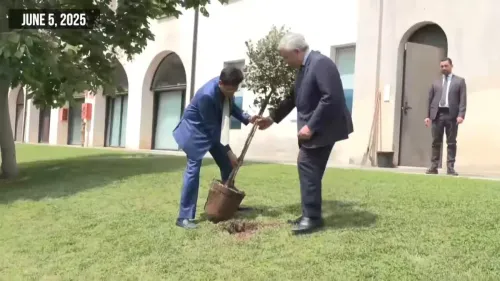
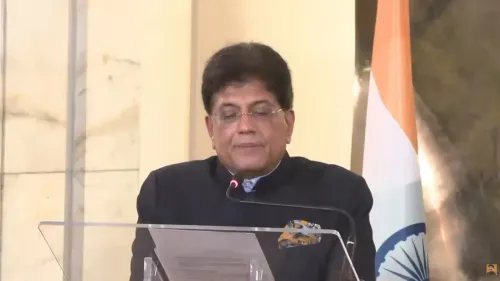
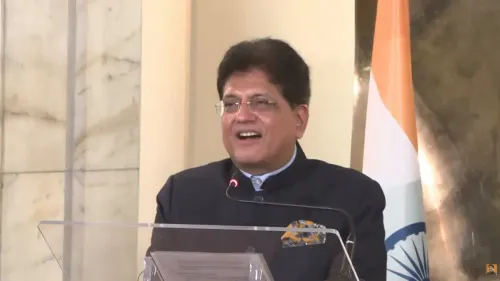
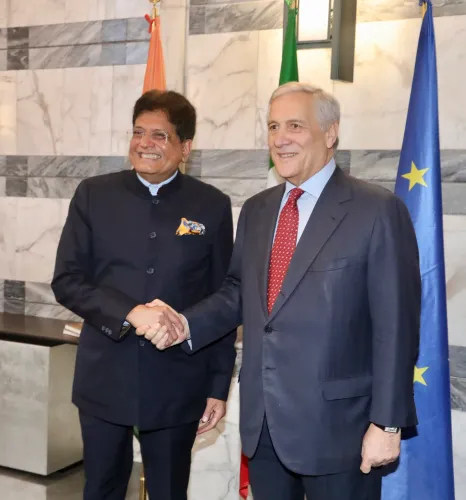
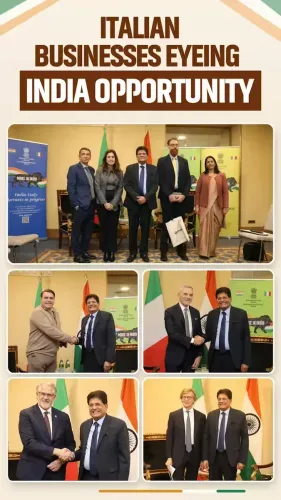
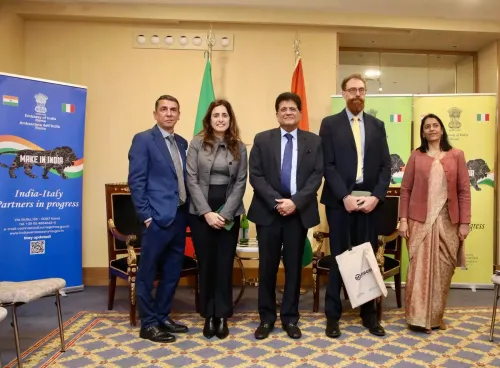
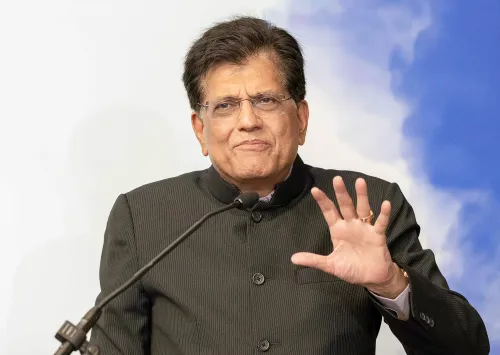
Cricket bats and boardrooms — Union Commerce and Industry Minister Piyush Goyal signalled on Wednesday, November 18, 2026 that India and Italy are rewriting the terms of their bilateral relationship, blending sporting culture with economic ambition in a 'whole new exchange.'
Where Cricket Meets Commerce
Goyal's post — brief but pointed — frames the India-Italy engagement as something qualitatively different from the standard diplomatic playbook. By placing cricket alongside business in a single breath, the Minister is leaning into India's soft-power toolkit: sport as an icebreaker that opens doors trade delegations alone cannot.
The pairing is deliberate. Cricket has steadily grown as a marker of Indian cultural reach, and weaving it into bilateral diplomacy signals that New Delhi is willing to engage European partners on cultural terms, not just economic ones.
Italy's Weight in India's European Pivot
Italy, a G7 member with deep manufacturing expertise — from precision engineering and automotive components to luxury fashion — represents a complementary partner for India's fast-scaling industrial and consumer economy. The two countries share longstanding diplomatic ties, and Italy sits within the broader India–EU framework that New Delhi has been carefully cultivating.
India has in recent years pursued a twin-track approach with European partners: hard economic diplomacy on trade facilitation, investment, and technology, layered with soft-power engagement through culture, diaspora ties, and now sport. The Goyal signal fits that pattern exactly.
What Business Watchers Will Now Track
Indian businesses and Italian investors will be watching closely for any follow-up announcements — delegation visits, bilateral trade facilitation measures, or sector-specific working groups that could give the Minister's framing concrete form. A ministerial-level endorsement of a cricket-and-commerce narrative typically precedes structured engagement, not just social media optics.
For Italy, deepening ties with the world's most populous country and one of its fastest-growing major economies carries obvious strategic logic. For India, a warmer bilateral with a G7 manufacturing powerhouse adds another node to its European network at a moment when supply-chain diversification is a global priority.
When the boundary rope and the trade table sit in the same frame, the message is unmistakable — India is playing the long game with Europe, and it is playing on every pitch at once.
Point of View
The outreach arrives at a moment when both countries are recalibrating their positions within the evolving EU-India trade architecture. Watch whether this symbolic framing translates into measurable bilateral deliverables in the weeks ahead.
NationPress
18 Nov 2026
Frequently Asked Questions
What did Piyush Goyal say about India and Italy?
Commerce Minister Piyush Goyal stated that cricket and business together are defining a 'whole new exchange' in India-Italy bilateral relations, signalling deepened engagement blending sport and commerce.
What is the current state of India-Italy trade relations?
India and Italy share longstanding diplomatic and trade ties, with Italy being a G7 manufacturing powerhouse and a partner within the broader India-EU engagement framework that New Delhi has been actively strengthening.
How is cricket connected to India's diplomatic strategy with Europe?
India has increasingly used cricket as a soft-power tool alongside trade diplomacy, leveraging the sport's cultural reach to build people-to-people connections that complement formal economic negotiations with European partners.
What could follow from Goyal's India-Italy engagement signal?
Analysts expect potential follow-up business delegations, bilateral trade facilitation measures, or sector-specific working groups between India and Italy as tangible outcomes of this high-level diplomatic signalling.
Why is Italy important to India's European diplomacy?
Italy is a G7 member with deep expertise in precision engineering, automotive, and luxury manufacturing — sectors that complement India's industrial ambitions — making it a strategically valuable partner in India's European pivot.