Nadda at VMMC Convocation: 863 Medical Colleges and Counting

Synopsis
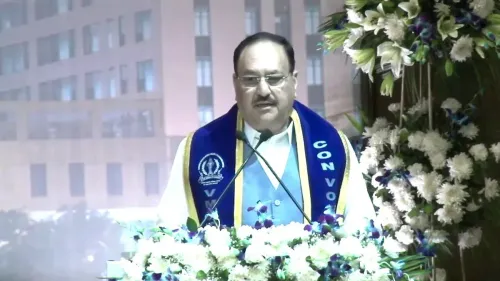
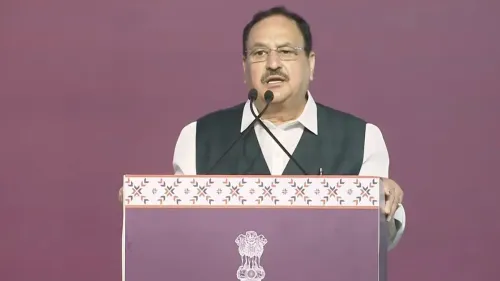
Union Health Minister J. P. Nadda attended the 8th Convocation of Vardhman Mahavir Medical College and Safdarjung Hospital in New Delhi, citing India's expansion of medical colleges from 387 to 863 and undergraduate seats from 51,348 to over 1.43 lakh under PM Modi, while congratulating 423 graduating doctors.
Key Takeaways
Union Health Minister J.
Nadda attended the 8th Convocation of VMMC and Safdarjung Hospital in New Delhi on November 18, 2026 .
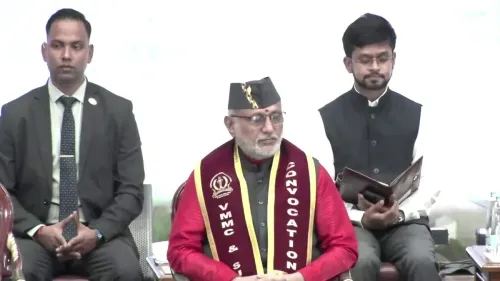
Radhakrishnan was the Chief Guest at the ceremony.
Medical colleges in India have grown from 387 to 863 since 2014, according to Nadda.
Undergraduate medical seats rose from 51,348 to more than 1.43 lakh ; postgraduate seats from 31,185 to more than 91,000 .
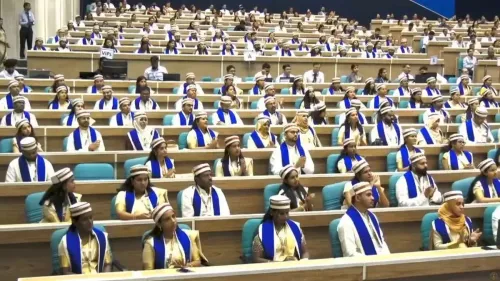
A total of 423 students graduated at the convocation ceremony.
The National Medical Commission Act, 2019 accompanied the expansion to maintain regulatory standards in medical education.
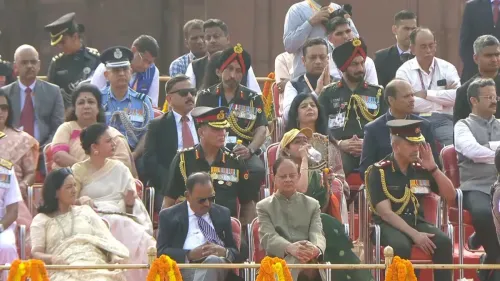
India's medical education revolution arrived at a convocation stage in New Delhi on Wednesday, November 18, 2026, as Union Health Minister J. P. Nadda addressed the 8th Convocation of Vardhman Mahavir Medical College and Safdarjung Hospital, with Vice President C. P. Radhakrishnan presiding as Chief Guest — and the numbers he cited were nothing short of staggering.
From 387 to 863: The Scale of a Decade's Push
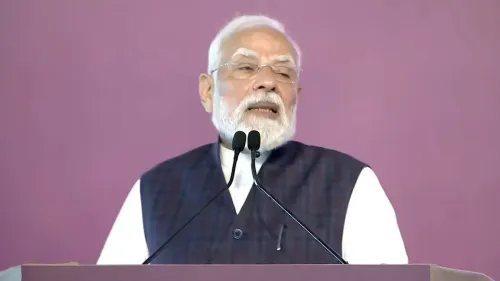
Nadda placed the ceremony inside a broader national story, pointing to a near-doubling of medical colleges — from 387 to 863 — since Prime Minister Narendra Modi took office. Undergraduate seats have leapt from 51,348 to more than 1.43 lakh, while postgraduate seats have nearly tripled from 31,185 to more than 91,000. Those are not just statistics on a slide; they represent the pipeline of doctors India has been racing to build to serve a population of 1.4 billion.
The expansion did not happen in isolation. The National Medical Commission Act, 2019 replaced the decades-old Medical Council of India, overhauling how institutions are accredited and monitored. The government's argument, repeated at forums like this one, is that quantity and quality were scaled together — a claim that experts and Parliament continue to scrutinise with every new batch of approvals.
423 Graduates, One Moment
423 students received their degrees at the ceremony — the immediate human face of the larger policy story. Nadda urged the new doctors to carry 'compassion, integrity and selfless service to humanity' into their careers, a charge that lands differently when India still grapples with a severe doctor-to-population ratio gap in rural districts.
VMMC and Safdarjung Hospital, one of Delhi's oldest and busiest government referral centres, has long been a training ground for public-sector medicine. Its convocation stage, graced by the Vice President, underscored the institution's standing in India's health-workforce ecosystem.
The Quality Question That Follows Every Approval
Even as the government celebrates the expansion, the next budget cycle will again test whether seat numbers translate into competent, well-distributed doctors. Parliamentary debates have flagged infrastructure gaps at some newly approved colleges, and the National Medical Commission has had to issue corrective notices to institutions that cleared paperwork faster than they built teaching hospitals. The pipeline is wide; whether it runs clean is the question the graduating class of 2026 will help answer over the next decade.
For now, 423 new doctors walked off the stage at Safdarjung with degrees in hand. The minister's ask was simple and enormous at the same time: be worthy of the expansion that made your seat possible.
Point of View
But the government faces an unresolved tension — rapid approval of new institutions has repeatedly drawn scrutiny over teaching hospital infrastructure. By invoking the National Medical Commission as the quality guarantor, the health ministry is signalling that it owns both the ambition and the accountability. How robustly the NMC exercises that mandate will define whether this expansion becomes a legacy or a liability.
NationPress
18 Nov 2026
Frequently Asked Questions
How many medical colleges are there in India in 2026?
According to Union Health Minister J. P. Nadda, India now has 863 medical colleges , up from 387 before 2014, representing a near-doubling of institutional capacity.
How many MBBS seats are available in India now?
Undergraduate medical seats in India have risen to more than 1.43 lakh , compared to 51,348 previously, as cited by Nadda at the VMMC convocation.
What is the VMMC Safdarjung Hospital convocation?
Vardhman Mahavir Medical College and Safdarjung Hospital in New Delhi held its 8th Convocation on November 18, 2026, awarding degrees to 423 graduating medical students, with Vice President C. P. Radhakrishnan as Chief Guest.
What replaced the Medical Council of India?
The National Medical Commission , established under the National Medical Commission Act, 2019, replaced the Medical Council of India to regulate medical education and ensure quality standards across institutions.
How many postgraduate medical seats are there in India?
Postgraduate medical seats have grown from 31,185 to more than 91,000 , nearly tripling, according to figures cited by Health Minister J. P. Nadda at the VMMC convocation in November 2026.