Nadda Shares Modi's Claim on Medical Seat Doubling, Foreign Varsities
Synopsis
On Independence Day 2026, Union Health Minister J. P. Nadda shared PM Modi's assertion that medical seats have nearly doubled since 2014 — from 400 to roughly 850 — and that UGC-enabled foreign university campuses now allow Indian youth to earn international degrees at home.
Key Takeaways
Union Health Minister J.
Nadda shared a quote from PM Narendra Modi on Independence Day, 15 August 2026 .
Modi claimed medical seats grew from roughly 400 before 2014 to nearly 850 today — the specific figures are government-stated and have not been independently verified.
The National Medical Commission Act, 2019 replaced the Medical Council of India and restructured medical education regulation to enable seat expansion.
UGC regulations notified in 2023 permit foreign higher education institutions to set up campuses in India, allowing students to earn foreign degrees domestically.
The post aligns with the BJP government's broader Independence Day messaging on post-2014 governance milestones in health and education.
The operationalisation of foreign university campuses in India remains an ongoing process to watch.
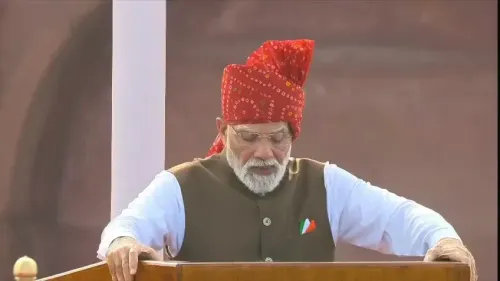
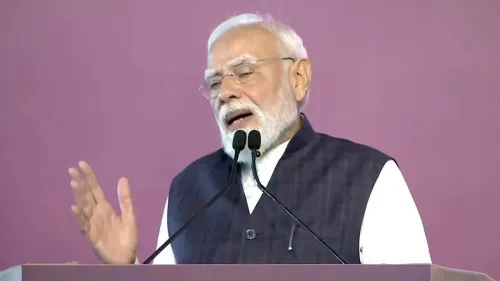
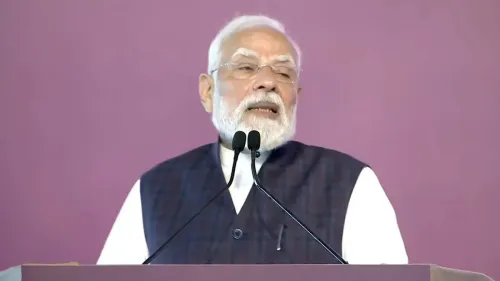
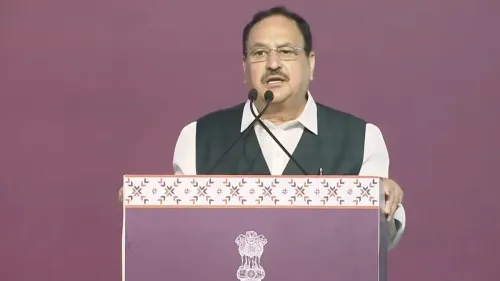
On Independence Day, 15 August 2026, Union Health Minister J. P. Nadda amplified a statement by Prime Minister Narendra Modi that frames the decade since 2014 as a turning point for medical education in India — more seats, and now, foreign degrees available on Indian soil.
Quoting the Prime Minister directly, Nadda shared: '2014 के पहले मेडिकल की सिर्फ 400 सीटें हुआ करती थीं।' ('Before 2014, there were only 400 seats in medical education. Today, there are nearly 850 medical seats. And now, foreign universities are also coming to Indian soil — arrangements have been made so that my youth can receive degrees from foreign universities right here in India.')
From 400 to 850: The Medical Seat Expansion Argument
The government has consistently pointed to post-2014 infrastructure growth as a signature achievement in healthcare access. The National Medical Commission Act, 2019 replaced the older Medical Council of India, overhauling the regulatory architecture for medical colleges and creating a pathway for faster approval of new institutions and seat additions. The numbers cited by the Prime Minister — roughly doubling medical seats over a decade — reflect this broader push, though the research block notes the specific figures could not be independently verified against national MBBS seat totals.
Foreign Universities on Indian Ground
The second plank of Modi's statement speaks to a quieter but consequential shift in higher education policy. UGC regulations notified in 2023 opened the door for international higher education institutions to establish campuses in India — meaning Indian students could, in principle, earn a foreign-accredited degree without leaving the country. The Prime Minister's framing positions this as a direct benefit to India's youth: access to global credentials at home. The operationalisation of these approved campuses remains a live watch-point.
The post, shared on Independence Day under the hashtag #IndiaIndependenceDay, fits a pattern of the ruling party using the national holiday to benchmark governance milestones — health infrastructure and education internationalisation presented as twin deliverables of the post-2014 era.
For the millions of medical aspirants who face one of the world's most competitive entrance funnels, the promise of more seats and more options is the headline. Whether the numbers and the foreign-campus rollout fully deliver on that promise is the question the next academic cycle will have to answer.
Point of View
Nadda amplifies the message while keeping it above the level of ministerial claim. The medical seat expansion argument is the government's most durable healthcare-access talking point, and pairing it with the foreign-university move signals an attempt to broaden the appeal to aspirational urban youth. The real test — whether seat numbers and foreign-campus rollouts translate into tangible access for students — will define whether this framing holds beyond the holiday cycle.
NationPress
29 Sept 2026
Frequently Asked Questions
How many medical seats are there in India in 2026 according to the government?
Prime Minister Modi, as quoted by Health Minister J. P. Nadda, stated there are now nearly 850 medical seats, up from about 400 before 2014. These are government-stated figures; independent verification of the exact totals is not available.
Can foreign universities open campuses in India?
Yes. The UGC notified regulations in 2023 permitting foreign higher education institutions to establish campuses in India, allowing Indian students to earn internationally accredited degrees without going abroad.
What replaced the Medical Council of India?
The National Medical Commission, established under the National Medical Commission Act, 2019, replaced the Medical Council of India to overhaul regulation of medical education and streamline college approvals.
Why did J. P. Nadda post this on Independence Day?
The post is part of a pattern of the ruling BJP government using Independence Day to highlight governance milestones. Nadda shared Modi's statement on medical seat expansion and foreign universities as examples of post-2014 achievements in health and education.
Which foreign universities are coming to India?
The UGC's 2023 regulations opened the door for international institutions to apply for campus approvals in India. The operationalisation of specific approved campuses is an ongoing process and no specific institutions are named in this post.