Nadda Highlights Doubling of Medical Colleges Under Modi Govt
Synopsis
Union Health Minister J. P. Nadda, quoting PM Modi, says medical colleges have nearly doubled and MBBS plus PG seats have risen significantly under the current government, making healthcare a right for ordinary Indians and opening doors for young medical aspirants.
Key Takeaways
Union Health Minister J.
Nadda posted on 17 July 2026 citing a near-doubling of medical colleges under the Modi government .
The post quotes Prime Minister Narendra Modi , attributing the expansion to a deliberate policy shift from previous governments.
Both MBBS undergraduate and postgraduate seats have seen increases, broadening access for young aspirants.
The National Medical Commission Act, 2019 replaced the Medical Council of India and is credited with enabling faster college approvals.
New AIIMS campuses and government medical colleges in underserved states were funded under the Pradhan Mantri Swasthya Suraksha Yojana .
The NMC's next annual assessment cycle and upcoming budget allocations will be key indicators of continued expansion.
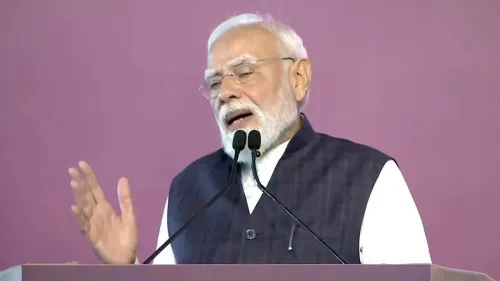
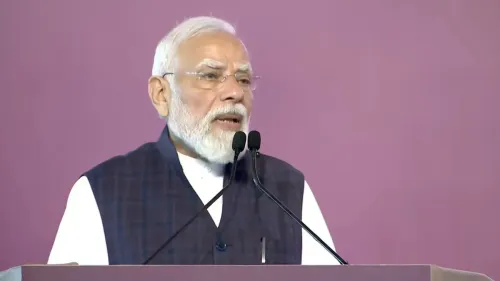
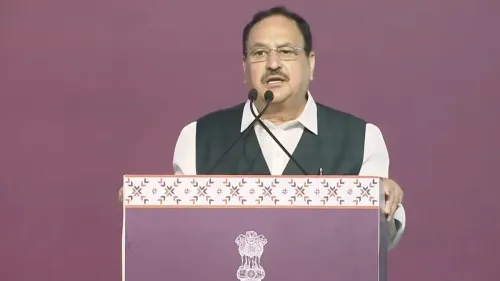
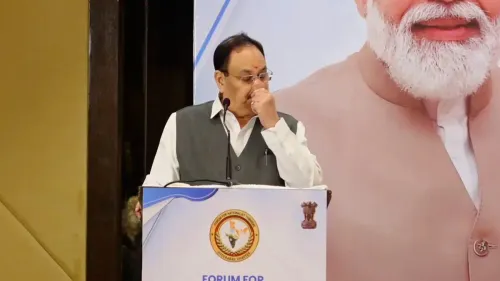
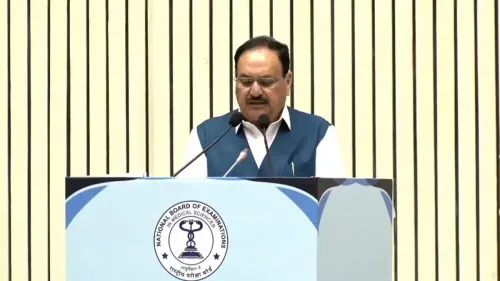
Union Health Minister J. P. Nadda on Friday, 17 July 2026, cited a near-doubling of medical colleges and a significant rise in MBBS and postgraduate seats as proof that healthcare access has become a right for ordinary Indians under the Narendra Modi government. Quoting Prime Minister Modi, Nadda said the expansion has transformed the prospects of young aspirants who once saw their dreams of becoming doctors go unfulfilled due to a shortage of institutions and seats.
Context
Nadda's post, written in Hindi, quotes Prime Minister Narendra Modi directly: 'पहले की सरकारों में मेडिकल कॉलेज और सीटों के अभाव में युवाओं के डॉक्टर बनने का सपना अधूरा ही रहता था' — ('In previous governments, due to a shortage of medical colleges and seats, the dreams of youth to become doctors remained incomplete'). The minister added that healthcare facilities have now become the right of the 'common citizen' of the country, with young Indians among the primary beneficiaries.
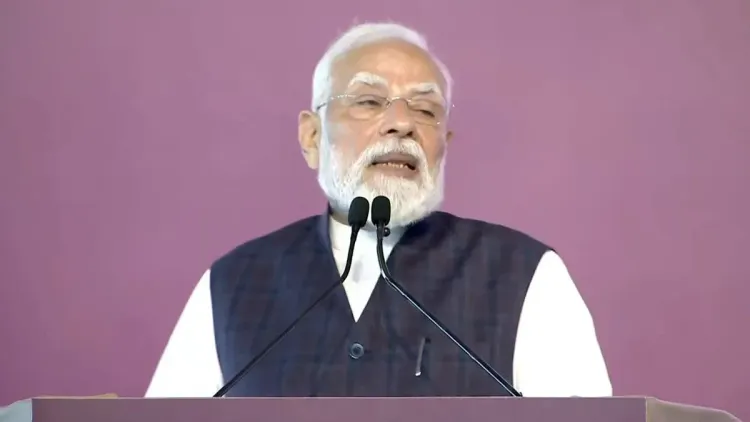
The post is accompanied by a video, suggesting it is part of a broader government communication campaign highlighting achievements in public health infrastructure.
Policy Backdrop
The expansion of medical education has been a stated priority of the Modi government since 2014. The landmark National Medical Commission Act, 2019 replaced the older Medical Council of India with the National Medical Commission (NMC), streamlining regulation and easing the path for new colleges to receive approvals. The NMC framework was designed to reduce procedural bottlenecks that critics had long argued kept the number of medical institutions artificially low.
Simultaneously, the Pradhan Mantri Swasthya Suraksha Yojana was expanded to fund new All India Institutes of Medical Sciences (AIIMS) and government medical colleges in states that were historically underserved. These twin levers — regulatory reform and capital investment — form the backbone of the seat-augmentation drive Nadda references. Parallel capacity increases in nursing and paramedical training have also occurred under the same policy umbrella.
Stakeholders and Impact
The primary beneficiaries of the expansion are medical aspirants, particularly those from smaller towns and lower-income households who could not afford private college fees or overseas education. A higher number of domestic seats reduces the pressure on students to seek degrees abroad, a pattern that has historically raised concerns about the quality of returning graduates.
State health departments are also key stakeholders, as many of the new colleges are government-run institutions that feed directly into the public health workforce. A larger pool of domestically trained doctors is expected to help address the country's doctor-to-population ratio, which remains below the World Health Organization's recommended benchmark in several states.
What's Next
The next significant milestone will be the NMC's annual assessment cycle, in which new medical colleges and additional seats are approved for the upcoming academic year. Health ministry observers will also watch the Union Budget for further allocations toward seat augmentation and infrastructure in government medical colleges. The government's continued emphasis on this metric suggests it will remain a central talking point as the ruling party frames its healthcare record ahead of future electoral cycles.
Point of View
The BJP is broadening the appeal of a technocratic policy win into an emotional promise kept. The timing and video format suggest a coordinated content push rather than a spontaneous statement, consistent with the ruling party's pattern of periodic health-sector scorecards. Whether the numbers hold up to independent scrutiny will determine how much political mileage the campaign ultimately delivers.
NationPress
16 Oct 2026
Frequently Asked Questions
Has the number of medical colleges in India doubled under Modi?
The government claims medical colleges have 'nearly doubled' since 2014, a figure Health Minister J. P. Nadda reiterated on 17 July 2026 quoting PM Modi. Independent verification of the exact current count is subject to NMC's official data releases.
What is the National Medical Commission and how does it affect medical seats?
The National Medical Commission (NMC) is the statutory regulator established under the NMC Act 2019 to replace the Medical Council of India. It approves new medical colleges and seat additions each year, and its streamlined processes are credited with enabling the recent expansion.
How many MBBS seats are there in India in 2026?
The government has stated that both MBBS and postgraduate seats have increased significantly since 2014, but precise 2026 figures are subject to NMC's annual approval cycle and have not been independently verified from this post alone.
What is Pradhan Mantri Swasthya Suraksha Yojana?
Pradhan Mantri Swasthya Suraksha Yojana is a central government scheme that funds the construction of new AIIMS campuses and upgrades government medical colleges, particularly in states with limited healthcare infrastructure.
Why do Indian students go abroad for MBBS?
A shortage of domestic MBBS seats relative to the number of aspirants has historically pushed students to pursue medical degrees in countries like Russia, Ukraine, China, and the Philippines. The government's seat-expansion drive aims to reduce this outflow by increasing availability at home.