CM Yogi Warns Criminals: Jail or Death, No Third Option
Synopsis
Uttar Pradesh Chief Minister Yogi Adityanath on 17 July 2026 declared that any criminal who dares to act will face either jail or death, with no third option — reinforcing his government's signature zero-tolerance law-and-order stance that has shaped UP policing since 2017.
Key Takeaways
CM Yogi Adityanath posted a sharp warning on 17 July 2026 stating criminals in Uttar Pradesh will end up in 'jail or hell — no third place.' The statement continues a pattern of zero-tolerance rhetoric that has defined the Yogi government since it took office in March 2017 .
The Uttar Pradesh Police has conducted hundreds of encounters targeting organised crime under this administration.
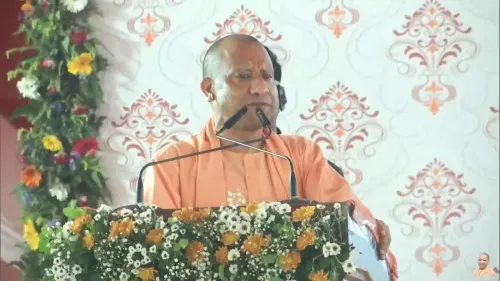
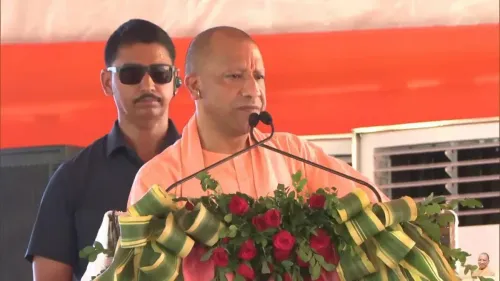
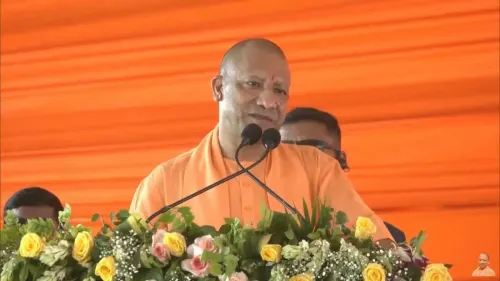
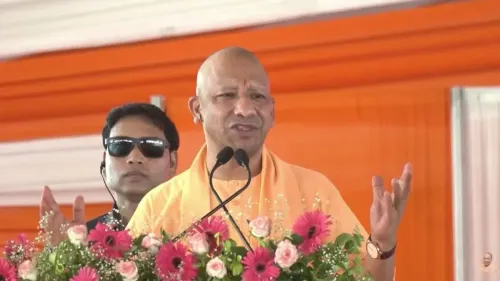
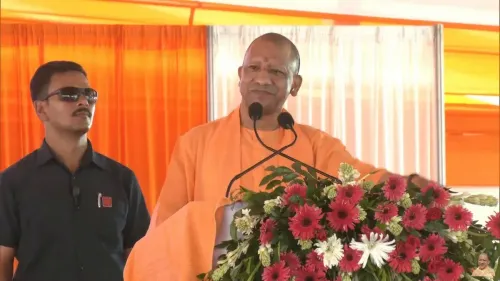
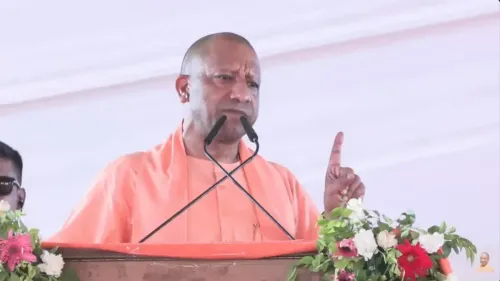
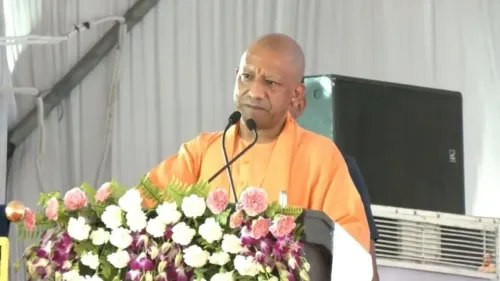
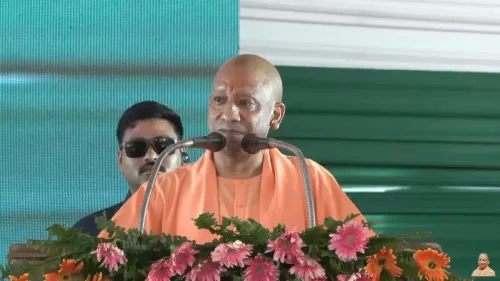
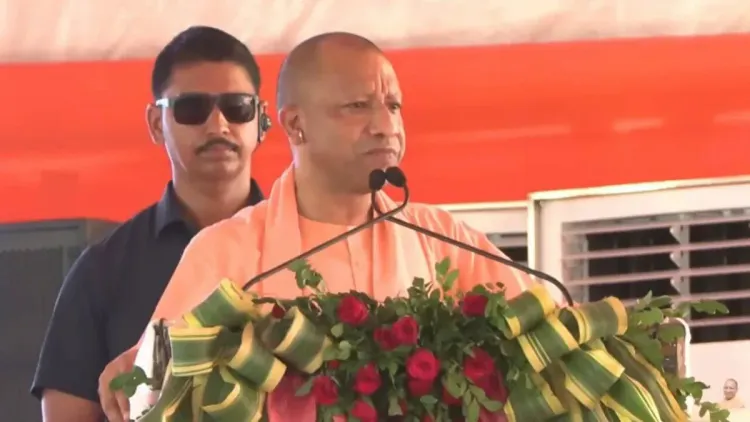
The post was accompanied by a video , indicating it may be excerpted from a public address or political event.
Annual UP crime statistics and upcoming legislative sessions on policing will be key indicators of the policy's measurable impact.
Uttar Pradesh Chief Minister Yogi Adityanath on Friday, 17 July 2026, issued a stark public warning to criminals in the state, declaring that anyone who dares to commit a crime will end up either in jail or in hell — with no third option available. The statement, posted on his official X account, reflects the tough law-and-order posture that has defined his administration since 2017.
In the post, Chief Minister Adityanath stated in Hindi: 'Apradhi jaanta hai ki agar usne kuch bhi himaqat ki toh woh jail ya jahannum mein hoga... teesri jagah nahin milne waali hai...' — meaning, 'The criminal knows that if he dares to do anything, he will be in jail or in hell... there is no third place to be found.'
Context
Yogi Adityanath has consistently used unambiguous, zero-tolerance language to signal the state's approach to crime since assuming office. This latest statement continues a pattern of public messaging designed to deter criminal activity through the certainty of consequences — either legal incarceration or lethal police action. The post was accompanied by a video, suggesting it may be drawn from a public address or campaign event.
Policy Backdrop
Since March 2017, the Uttar Pradesh government under Adityanath has pursued an aggressive anti-crime drive, with the Uttar Pradesh Police conducting hundreds of encounters targeting wanted criminals and organised crime networks. The administration has publicly framed these operations as necessary to restore law and order in India's most populous state, where perceptions of safety had long been a political flashpoint. The phrase 'jail ya jahannum' — 'jail or hell' — has become a recurring rhetorical marker of this governance style.
The policy lineage traces back to the very first weeks of the Yogi government, when the Chief Minister announced immediate crackdowns on mafia networks and declared that no leniency would be shown to organised criminals. Over the years, this stance has been reinforced through anti-mafia task forces, property demolitions linked to accused individuals, and high-profile police encounters that have drawn both support and scrutiny.
Stakeholders and Impact
For ordinary residents of Uttar Pradesh, the message is intended as reassurance — that the state apparatus stands firmly against criminal elements. For the Uttar Pradesh Police, such public statements from the Chief Minister reinforce the operational mandate under which encounter-based policing has been carried out. Civil liberties groups and opposition parties, however, have periodically raised concerns about due process and accountability in the conduct of police encounters, though those critiques fall outside the scope of this particular post.
The broader political impact of such rhetoric is also notable: BJP-led administrations across states have used tough-on-crime messaging to project decisive leadership, and Adityanath's formulation has become one of the most recognisable examples of this approach at the state level.
What's Next
Observers will watch for the release of annual crime statistics by the Uttar Pradesh Police, which typically serve as a benchmark for evaluating the administration's law-and-order record. Any forthcoming state legislative session or budget announcement related to policing capacity, infrastructure, or personnel will also be closely tracked. The Chief Minister's continued public emphasis on criminal deterrence signals that this remains a central pillar of the BJP government's governance narrative in Uttar Pradesh.
Point of View
Recurring signal that has anchored his governance brand since 2017. By keeping this language in public circulation, the administration reinforces the deterrence narrative that underpins its encounter-heavy policing model — projecting strength to a voter base that consistently ranks law and order as a top concern in Uttar Pradesh. The statement also functions as political communication within the BJP ecosystem, distinguishing the Yogi model as one of the party's most assertive state-level governance experiments. Whether the rhetoric translates into sustained statistical improvements in public safety remains the central question that crime data and legislative action will eventually have to answer.
NationPress
17 Jul 2026
Frequently Asked Questions
What did CM Yogi Adityanath say about criminals on 17 July 2026?
CM Yogi Adityanath declared that any criminal who dares to act will end up either in jail or in hell, adding that there is no third option available to them.
What is Yogi Adityanath's law and order policy in Uttar Pradesh?
Since taking office in March 2017, Yogi Adityanath has pursued a zero-tolerance approach to crime, with the UP Police conducting hundreds of encounters against wanted criminals and organised crime networks.
What does 'jail ya jahannum' mean in Yogi Adityanath's speeches?
'Jail ya jahannum' translates to 'jail or hell' in English and has become a signature phrase in CM Yogi Adityanath's public messaging, warning criminals that they face either imprisonment or death at the hands of police.
How has the Yogi government tackled organised crime in UP?
The Yogi government has used anti-mafia task forces, property demolitions linked to accused individuals, and police encounters to target organised crime in Uttar Pradesh since 2017.
Is Uttar Pradesh safer under Yogi Adityanath?
The Yogi administration has publicly reported a significant reduction in organised crime, though independent assessment depends on annual crime statistics released by the Uttar Pradesh Police, which remain a closely watched indicator.