CM Yogi vows zero compromise with crime, criminals in UP
Synopsis
Uttar Pradesh Chief Minister Yogi Adityanath has reaffirmed a zero-compromise stance on crime and criminals in a video post on X, signalling continuity of the hardline law-and-order approach his government has pursued since 2017.
Key Takeaways
CM Yogi Adityanath posted on X on 3 June 2026 reiterating 'no compromise' with crime and criminals.
The message was accompanied by a video and used his characteristic phrase about addressing criminals in 'the language they understand'.
The stance traces back to his zero-tolerance policy announced after taking office in March 2017.
The approach includes police action against organised crime and demolition drives against properties linked to accused persons.
Similar tough-on-crime messaging has been adopted by BJP governments in Madhya Pradesh and Rajasthan.
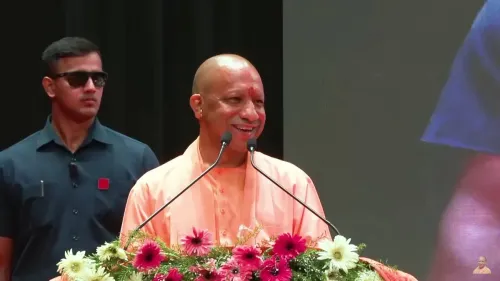
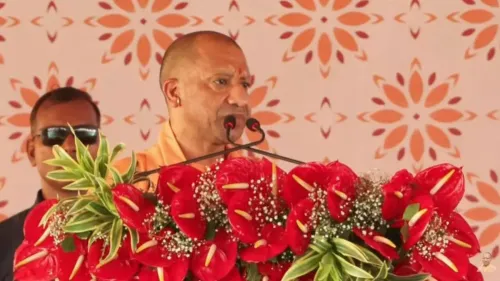
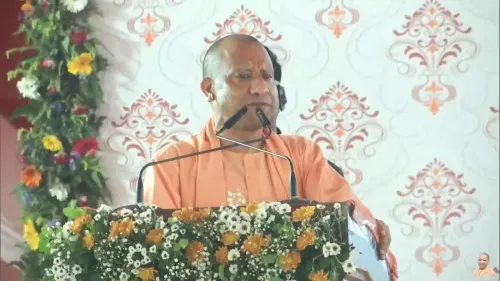
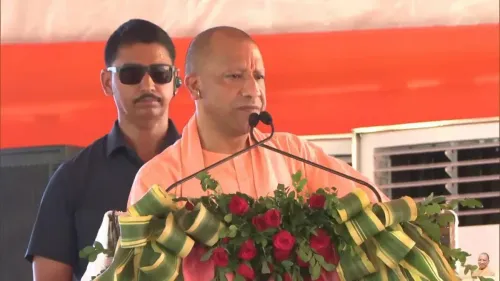
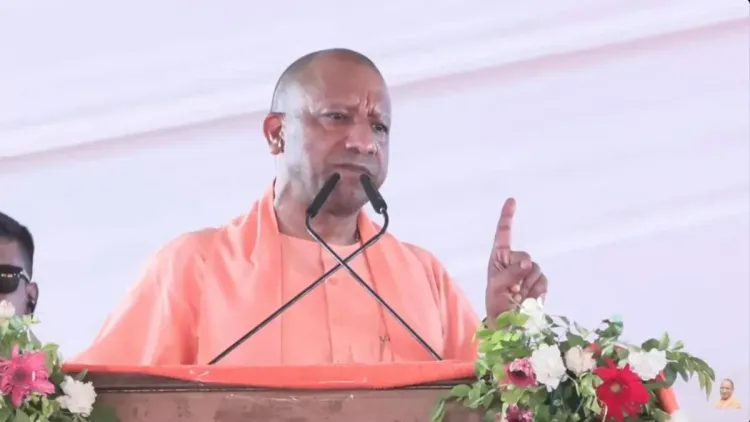
Uttar Pradesh Chief Minister Yogi Adityanath on Wednesday, 3 June 2026, reiterated his administration's hardline stance against crime, declaring that there would be 'no compromise of any kind' with criminals in the state. The message, posted on X and accompanied by a video, reinforces the law-and-order plank that has defined his tenure since March 2017.
In the post, the Chief Minister wrote in Hindi, 'अपराध और अपराधियों के साथ किसी प्रकार का कोई समझौता नहीं, वह जिस बोली और भाषा को समझेंगे उसी में उनको समझाने का काम करेंगे' ('There will be no compromise of any kind with crime and criminals; they will be made to understand in the very dialect and language they understand'). The phrasing, characteristic of his public addresses, signals a continuation of the state government's combative posture toward organised crime networks.
Context
The remark lands amid a sustained messaging push by the state government on policing outcomes. Yogi Adityanath, who also heads the Gorakhnath Math in Gorakhpur, has repeatedly framed law and order as the foundation of governance and investment in Uttar Pradesh, India's most populous state.
The Chief Minister's choice of words — referring to addressing criminals in 'the language they understand' — echoes formulations he has used at public rallies and police function speeches over multiple years. The post did not name any specific incident or accused.
Policy backdrop
Soon after taking office in 2017, the Chief Minister announced a zero-tolerance policy against mafia and organised crime, an approach that has since been associated with a sharp rise in police encounters and high-profile arrests across the state.
Between 2018 and 2019, the state government publicly backed demolition action against properties linked to accused criminals, a tactic that came to be popularly described as the 'bulldozer' model. The approach has since been emulated in other BJP-governed states, including Madhya Pradesh and Rajasthan.
Crime control has also been a core electoral pitch for the ruling party in Uttar Pradesh, with the state government regularly publishing data on conviction rates, arrests under the Gangsters Act, and seizures of property attached to accused persons.
Stakeholders and impact
The Uttar Pradesh Police, the country's largest state police force, is the principal executor of this posture and is frequently cited in government communications on anti-crime operations. Senior officers in districts such as Lucknow, Noida, Varanasi and Prayagraj have been tasked with periodic reviews of pending cases against history-sheeters.
Civil liberties groups and sections of the legal community have, over the years, raised concerns about due process in encounter cases and demolition drives. The state government has consistently defended its actions as lawful and proportionate, pointing to court-monitored procedures and statutory backing under existing criminal and revenue laws.
For residents and businesses, the Chief Minister's reiteration is meant to project administrative continuity. For accused networks, it is intended as a public warning that the operational tempo of policing will not ease.
What's next
Attention will turn to the next set of Uttar Pradesh crime statistics and any discussion the issue draws in the state assembly. Further police action in districts with active organised-crime cases is likely to be cited by the government as evidence of the policy in motion.
With electoral cycles at the local body and national level approaching, the Chief Minister's framing of crime control is expected to remain a central pillar of the state government's public communication in the months ahead.
Point of View
He is consolidating the law-and-order plank that the BJP has used to differentiate its Uttar Pradesh governance model. The framing also fits a wider state-level pattern of projecting administrative resolve as electoral cycles approach. The real test will be whether crime data and judicial outcomes continue to track the rhetoric.
NationPress
21 Sept 2026
Frequently Asked Questions
What did CM Yogi Adityanath say about crime on 3 June 2026?
He said there would be no compromise of any kind with crime and criminals, and that they would be addressed in the language they understand. The statement was posted on X with an accompanying video.
When did Yogi Adityanath announce his zero-tolerance crime policy?
The zero-tolerance approach against mafia and organised crime was announced shortly after he took office as Uttar Pradesh Chief Minister in March 2017.
What is the 'bulldozer' policy in Uttar Pradesh?
It refers to demolition action against properties linked to accused criminals, publicly backed by the state government from 2018-2019 as part of its anti-crime drive.
Which other states have adopted similar tough-on-crime messaging?
BJP-governed states including Madhya Pradesh and Rajasthan have echoed similar law-and-order messaging and tactics.
Who is Yogi Adityanath?
He has been Chief Minister of Uttar Pradesh since March 2017, is a senior BJP leader, and serves as head of the Gorakhnath Math in Gorakhpur.