Nadda Hails Specialists as Pillars of Viksit Bharat 2047
Synopsis
Union Health Minister J. P. Nadda honoured healthcare specialists on 23 May 2026, declaring that a healthy India is the foundation of PM Modi's Viksit Bharat 2047 goal and calling specialists' service invaluable to the nation.
Key Takeaways
Nadda addressed and honoured healthcare specialists on 23 May 2026 , recognising their role in national development.
The minister directly linked specialist contributions to PM Narendra Modi 's Viksit Bharat target of a developed India by 2047 .
India's Ayushman Bharat PMJAY scheme covers over 50 crore economically vulnerable citizens, one of the world's largest government health programmes.
The National Health Policy 2017 targets public health spending at 2.5 per cent of GDP and universal health coverage.
New AIIMS campuses and increased MBBS seats since 2014 reflect sustained central investment in medical workforce expansion.
Specialist cadre retention and expansion under the National Health Mission remain key legislative and administrative priorities.
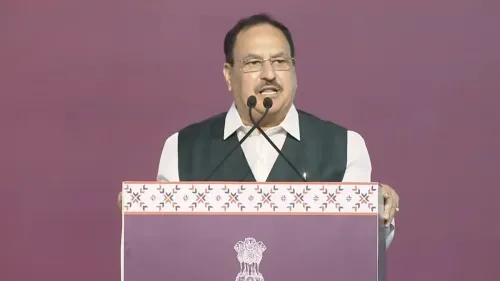
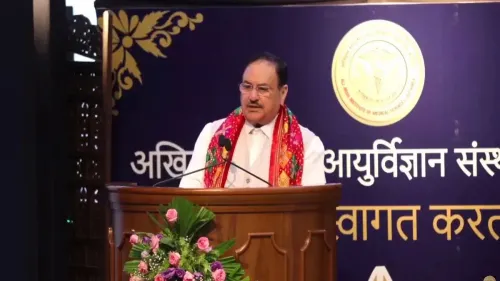
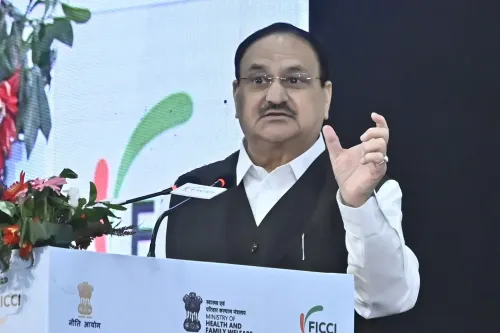
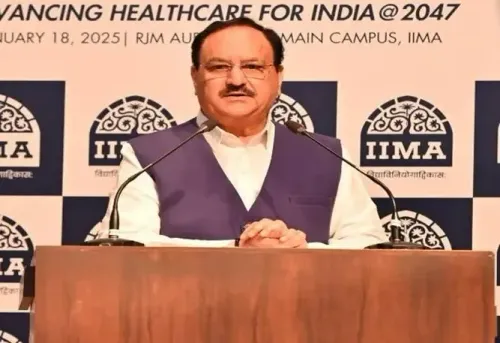
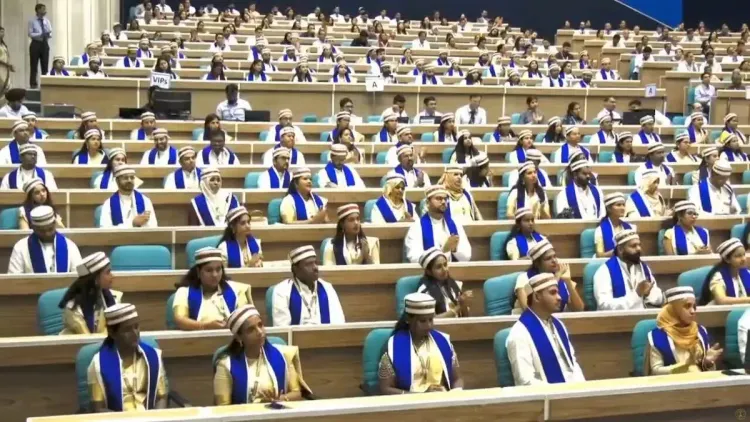
Union Health Minister J. P. Nadda on Saturday, 23 May 2026, addressed healthcare specialists at an event, saluting their contributions to the nation while framing their work as indispensable to India's ambition of becoming a developed country by 2047. The minister linked the health sector directly to Prime Minister Narendra Modi's Viksit Bharat vision, calling a healthy India the foundation of a developed one.
Context
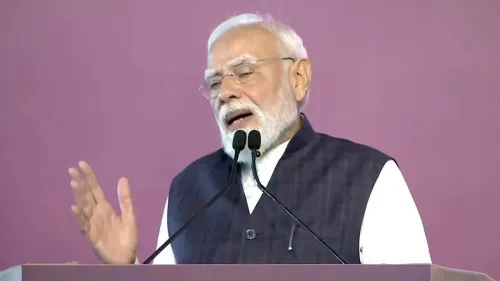
Speaking at what appeared to be a felicitation ceremony for medical specialists, Nadda said, 'Today, while honouring our specialists, we are also shaping the future of healthcare in India.' He added that their contributions 'will play a vital role in improving the lives of millions and addressing key health challenges.' The event underscored the government's consistent effort to publicly recognise the medical workforce as a strategic national asset.
The minister's remarks come at a time when India is deepening investments in health infrastructure, expanding medical college seats, and scaling flagship insurance programmes to widen access to quality care across the country.
Policy Backdrop
India's National Health Policy 2017 set a target of raising public health expenditure to 2.5 per cent of GDP and achieving universal health coverage — goals that successive budgets have moved toward incrementally. The Ayushman Bharat Pradhan Mantri Jan Arogya Yojana, launched in 2018, extended health insurance coverage to over 50 crore economically vulnerable citizens, making it one of the world's largest government-funded health protection schemes.
Since 2014, the central government has also established new AIIMS campuses across states and substantially increased MBBS seats to address the longstanding shortage of trained medical professionals. Specialist retention and cadre expansion under the National Health Mission remain active areas of parliamentary and administrative attention.
Stakeholders and Impact
Nadda stated that under Prime Minister Modi's leadership, 'the dream of a Viksit Bharat by 2047 can only be achieved through a healthy India, as health remains one of the most important pillars of a developed nation.' This framing positions medical professionals not merely as service providers but as active contributors to a long-horizon national project.
Healthcare specialists — including those in public sector hospitals, medical colleges, and district-level facilities — stand at the centre of this vision. Their geographic distribution, compensation structures, and working conditions are recurring concerns in health-workforce policy, and ministerial acknowledgement of their 'invaluable' service signals continued government focus on retention and morale.
What's Next
Parliamentary debates on the forthcoming health budget are expected to revisit targets around specialist cadre expansion, rural postings, and incentive frameworks under the National Health Mission. The government's ability to translate the Viksit Bharat health narrative into measurable outcomes — such as doctor-to-population ratios, reduced out-of-pocket expenditure, and improved primary care infrastructure — will be closely watched by policymakers and civil society alike. How the Centre balances specialist recognition with systemic reforms will define the credibility of its 2047 health agenda.
Point of View
Lending the 2047 goal a human-capital dimension beyond infrastructure and GDP. By publicly valorising specialists, the Health Ministry is also signalling awareness of a persistent policy tension: India trains more doctors than ever, yet specialist shortages in public facilities remain acute. The speech does not announce new measures, but its timing — ahead of expected parliamentary scrutiny of the health budget — suggests the government is building a rhetorical foundation for upcoming workforce and spending decisions. Whether this translates into structural reforms or remains ceremonial affirmation will be the real test of the ministry's commitment.
NationPress
21 Sept 2026
Frequently Asked Questions
What did J. P. Nadda say about Viksit Bharat and health?
Nadda said that PM Modi's dream of a Viksit Bharat by 2047 can only be achieved through a healthy India, calling health one of the most important pillars of a developed nation.
What is Viksit Bharat 2047?
Viksit Bharat is India's official national goal to transform the country into a fully developed economy by 2047, the centenary of independence, with health, infrastructure, and economic growth as foundational pillars.
What is Ayushman Bharat PMJAY?
Ayushman Bharat Pradhan Mantri Jan Arogya Yojana, launched in 2018, provides government-funded health insurance coverage to over 50 crore economically vulnerable Indians, making it one of the world's largest such schemes.
What has India done to expand its medical workforce since 2014?
Since 2014, the central government has established new AIIMS campuses across multiple states and significantly increased MBBS seats to address the shortage of trained doctors and specialists.
What is the National Health Policy 2017 target for health spending?
The National Health Policy 2017 set a target of raising India's public health expenditure to 2.5 per cent of GDP and achieving universal health coverage across the country.