CM Yogi Appeals to Kanwar Pilgrims Ahead of Shravan Season
Synopsis
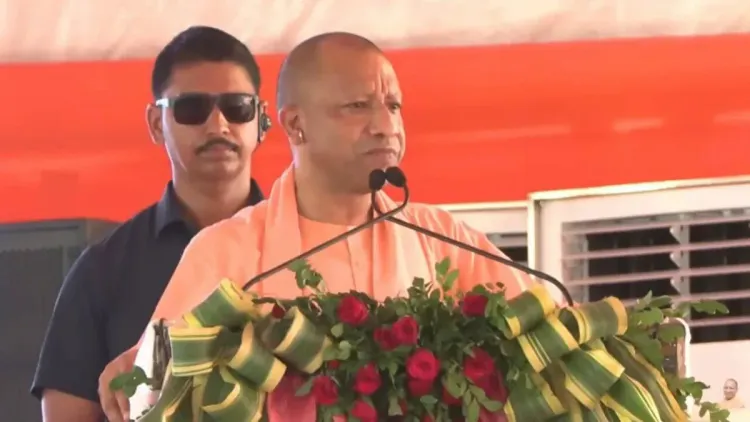
Uttar Pradesh Chief Minister Yogi Adityanath on 17 July 2026 posted a humble appeal to all Kanwar Yatra pilgrims on X as the Shravan month gets under way, reflecting the state government's dual emphasis on religious facilitation and public-order management during the annual pilgrimage.
Key Takeaways
CM Yogi Adityanath addressed a public appeal to all Kanwar Yatra pilgrims on 17 July 2026 via his official X account.
The Kanwar Yatra is one of India's largest Hindu pilgrimages, with millions of devotees carrying Ganga water to Shiva temples during Shravan month .
Uttar Pradesh witnesses some of the highest concentrations of Kanwar pilgrims in the country, requiring extensive state coordination.
As head of the Gorakhnath Math , CM Yogi's appeal carries both executive and religious authority within the Shaivite tradition.
State and district administrations are expected to follow up with traffic, security, and logistical orders for the Shravan 2026 season.
The government's management of the yatra is seen as a key public-order and political benchmark for Uttar Pradesh .
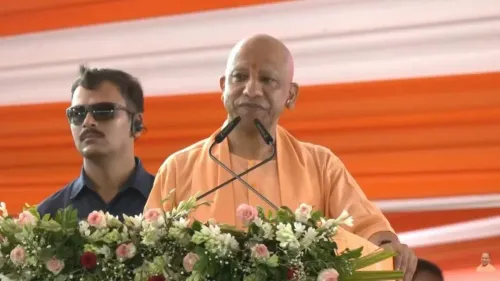
Uttar Pradesh Chief Minister Yogi Adityanath on Friday, 17 July 2026, issued a public appeal addressed to all Kanwar Yatra pilgrims, urging them to observe the annual pilgrimage with devotion and orderliness as the Shravan month gets under way across the state.
Context
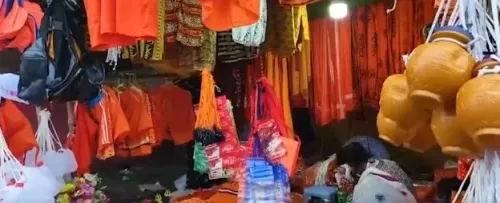
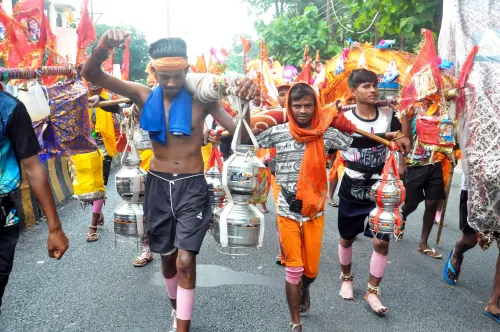
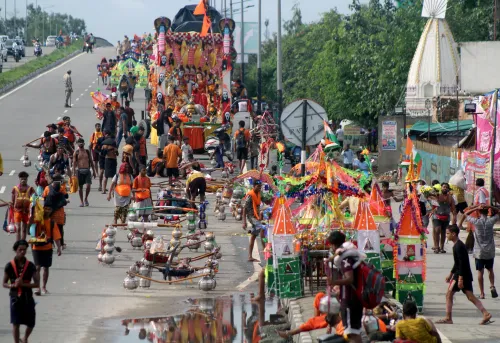
The Kanwar Yatra is one of India's largest annual Hindu pilgrimages, in which devotees — known as kaawariye (Kanwar bearers) — carry sacred Ganga water in decorated pots and walk long distances to offer it at Shiva temples. The procession peaks during the Shravan month of the Hindu calendar, which typically falls between July and August. Uttar Pradesh witnesses some of the highest concentrations of pilgrims in the country, with millions traversing state and national highways each year.
In his post on X, CM Yogi Adityanath addressed the pilgrims with a vinarm appeal (humble appeal), reflecting the tone of official communications that have accompanied such religious events in the state. The Chief Minister's message, shared with his followers, underscored the cultural and spiritual significance the state government attaches to the pilgrimage.
Policy Backdrop
The Uttar Pradesh government has consistently treated the Kanwar Yatra as both a matter of religious importance and a major public-order challenge. Successive administrations have issued directives covering traffic management, police deployment, medical facilities, and coordination among local bodies in the weeks leading up to the procession. Under CM Yogi Adityanath, the state has expanded these arrangements, with the administration framing large-scale pilgrimages as part of its broader emphasis on facilitating religious tourism and cultural heritage.
The Gorakhnath Math, of which Yogi Adityanath is the head, has deep institutional ties to Shaivite traditions — the same tradition that the Kanwar Yatra serves. This gives the Chief Minister's appeal a dual weight: that of the state's executive head and of a religious figure within the same devotional lineage.
Stakeholders and Impact
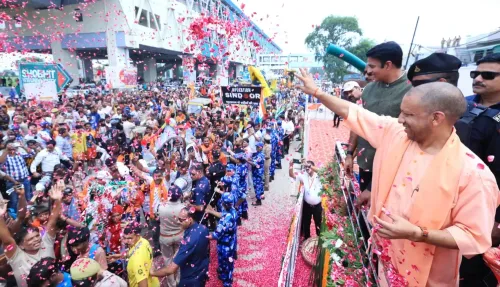
Millions of Kanwar pilgrims from Uttar Pradesh and neighbouring states including Uttarakhand, Delhi, Haryana, and Bihar participate in the annual yatra, making it a cross-state logistical undertaking. Local administrations, district police, the National Highways Authority, and municipal bodies all activate special protocols during this period to manage crowd movement, sanitation, and emergency response.
Residents along major Kanwar routes — particularly on highways connecting Haridwar to districts of western Uttar Pradesh — face temporary traffic diversions and commercial disruptions. The Chief Minister's direct communication to pilgrims is also aimed at encouraging self-regulation among participants, reducing pressure on the administrative machinery.
What's Next
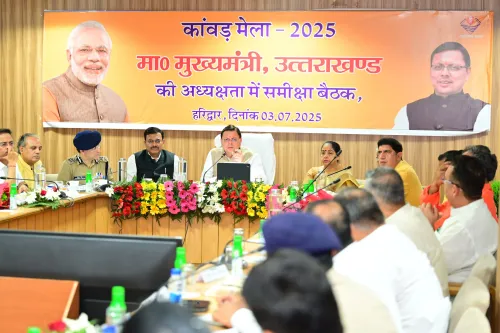
State authorities are expected to follow the Chief Minister's public appeal with detailed administrative orders covering traffic restrictions, security deployments, and coordination with the Uttarakhand government, from whose territory much of the sacred Ganga water is sourced. District magistrates and senior police officials in the Kanwar belt are likely to hold review meetings in the coming days as pilgrim footfall builds toward the peak of the Shravan season.
The government's handling of the 2026 Kanwar Yatra will be closely watched as a marker of the state's capacity to manage large-scale religious events — a benchmark that carries both administrative and political significance ahead of future electoral cycles in Uttar Pradesh.
Point of View
Publicly visible message at the outset of Shravan, the Chief Minister reinforces his identity as both a temporal administrator and a religious figure — a duality that has defined his political brand since 2017. The move also serves a practical governance function: public appeals from senior officials have historically been used to pre-empt disorder and set a tone of cooperation before crowd-management protocols are enforced. Analysts will watch whether this communication is followed by substantive policy orders, which would signal genuine administrative intent rather than ceremonial outreach.
NationPress
17 Jul 2026
Frequently Asked Questions
What did CM Yogi Adityanath say to Kanwar pilgrims?
CM Yogi Adityanath issued a humble public appeal to all Kanwar Yatra pilgrims on 17 July 2026, urging them to observe the pilgrimage with devotion and discipline as the Shravan month began. The full text of the appeal was shared on his official X account.
When is Kanwar Yatra 2026?
The Kanwar Yatra takes place during the Hindu month of Shravan, which in 2026 falls approximately between July and August. Uttar Pradesh sees peak pilgrim movement during this period.
What is the Kanwar Yatra?
The Kanwar Yatra is an annual Hindu pilgrimage in which devotees carry sacred Ganga water in decorated pots — called kanwars — and walk to Shiva temples to offer the water. It is one of the largest religious processions in India, drawing millions of participants each year.
What arrangements does UP make for Kanwar Yatra?
The Uttar Pradesh government typically deploys additional police, imposes traffic diversions on major highways, sets up medical camps, and coordinates with local bodies and the Uttarakhand government to manage the millions of pilgrims who participate in the Kanwar Yatra each year.
Why does CM Yogi Adityanath appeal to Kanwar pilgrims?
As both the Chief Minister of Uttar Pradesh and the head of the Gorakhnath Math — a major Shaivite religious institution — CM Yogi Adityanath holds dual authority that makes his appeals to Kanwar pilgrims significant on both administrative and religious grounds.