Kishan Reddy Chairs Coal Ministry Review on Energy Security
Synopsis
Union Coal and Mines Minister G. Kishan Reddy chaired a comprehensive review of the coal and mining sector on November 18, 2026, focusing on production, project timelines, and India's Aatmanirbhar Bharat energy security goals.
Key Takeaways
Kishan Reddy chaired a comprehensive review meeting with Ministry of Coal officials on November 18, 2026 .
Discussions covered coal production volumes, operational performance, and project monitoring.
The minister reiterated commitment to India's energy security and Aatmanirbhar Bharat self-reliance goals.
India opened commercial coal mining to private entities via auctions in 2020 to boost output and competition.
Key stakeholders impacted include coal mining companies and power utilities dependent on domestic supply.
Monthly coal production data and project-timeline announcements are the next indicators to watch.
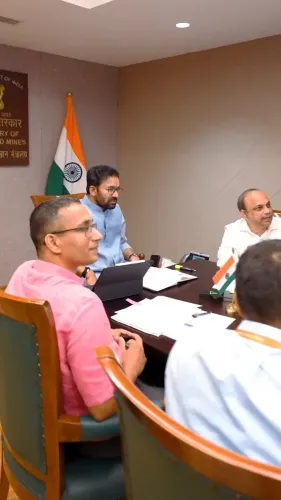
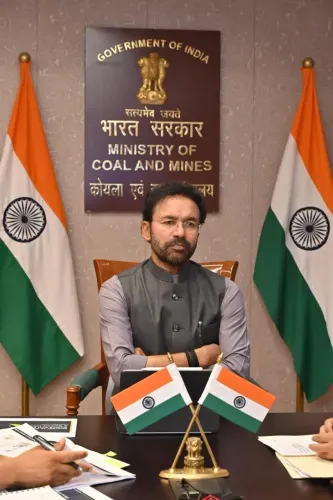
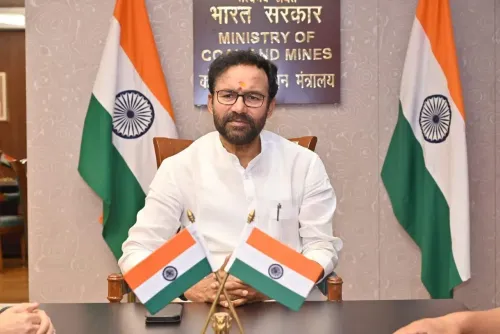
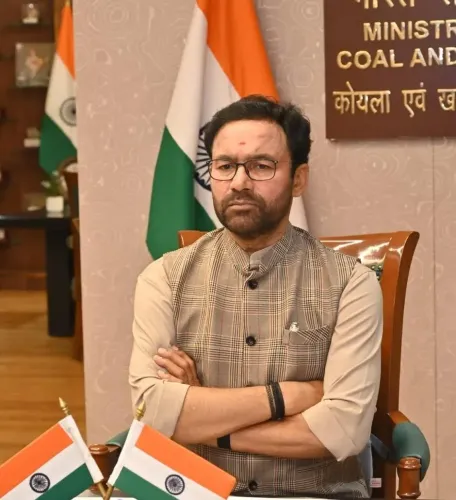
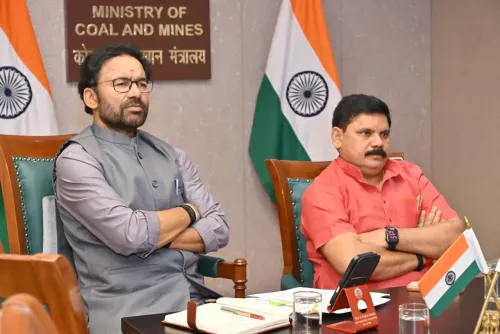
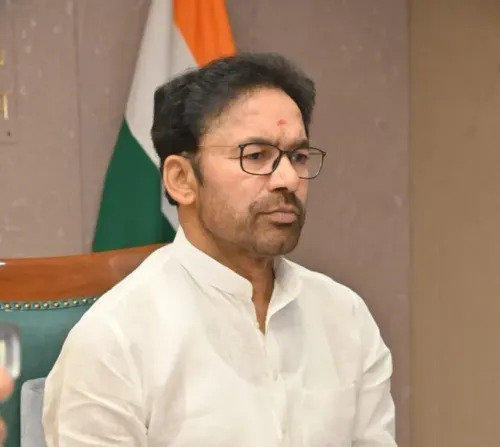
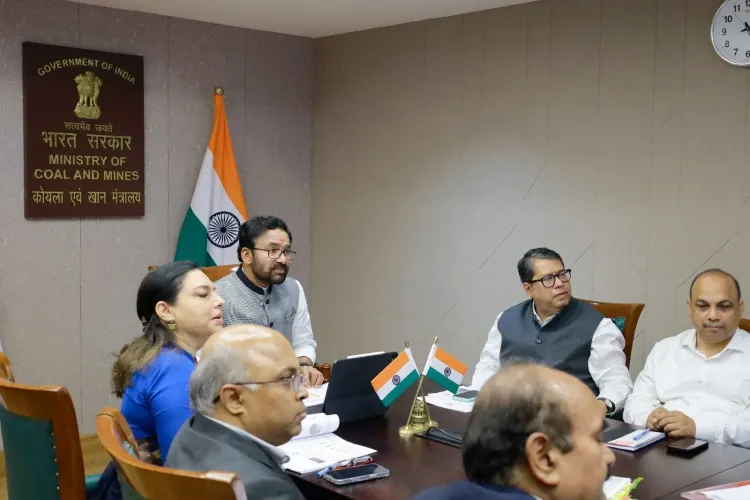
India's energy ambitions came under the ministerial microscope on Wednesday, November 18, 2026, as Union Coal and Mines Minister G. Kishan Reddy chaired a comprehensive review meeting with senior officials of the Ministry of Coal to assess the latest developments and progress across the coal and mining sector.
What Was on the Table
The discussions spanned coal production volumes, operational performance, and project monitoring — the unglamorous machinery that keeps India's power grid alive. The minister also reviewed key initiatives aimed at strengthening efficiency and ensuring timely execution of ongoing projects, signalling that project delays and output gaps remain a live concern at the highest levels of the ministry.
Reddy reiterated the government's commitment to 'strengthening India's energy security, enhancing domestic production capabilities and advancing the vision of an Aatmanirbhar Bharat' — the self-reliance framework that has shaped India's economic policy since its launch in 2020.
The Commercial Mining Pivot Behind the Push
The meeting sits squarely within a policy arc that has been building for over six years. In 2020, the government opened commercial coal mining to private entities through competitive auctions — a landmark reform designed to inject competition, increase output, and reduce India's dependence on coal imports. The Ministry of Coal has since used regular high-level review meetings as its primary instrument for tracking whether that reform is translating into real production gains on the ground.
The stakeholders watching these numbers most closely are coal mining companies and power utilities — sectors whose output and profitability are directly tied to how quickly mine projects move from approval to extraction. For power utilities in particular, domestic coal supply is not an abstract policy question; it is the difference between stable grid operations and shortfalls.
Aatmanirbhar Bharat and the Coal Sector's Role
India's sustained push to expand domestic coal production is inseparable from the Aatmanirbhar Bharat framework — a self-reliance drive that treats energy security as a prerequisite for broader industrial independence. Every tonne produced domestically is a tonne not imported, and in a country where coal still underpins a significant share of power generation, that arithmetic matters enormously to both fiscal planning and strategic resilience.
What to watch next: the release of monthly coal production data and any formal announcements on project timelines or new efficiency measures emerging from today's review.
The minister's message to the sector is clear — the clock is running, and so are the targets.
Point of View
Holding frequent high-level reviews is as much a political signal of accountability as it is a governance tool. Within the Aatmanirbhar Bharat framework, coal sector self-sufficiency has become a proxy for broader energy sovereignty, raising the stakes of every production shortfall. The steady drumbeat of such reviews suggests the government is acutely aware that reform on paper must eventually show up in the data.
NationPress
18 Nov 2026
Frequently Asked Questions
What was discussed at G. Kishan Reddy's coal ministry review meeting?
The meeting on November 18, 2026 focused on coal production, operational performance, project monitoring, and key initiatives to improve efficiency and ensure timely execution across the coal and mining sector.
What is Aatmanirbhar Bharat's connection to India's coal sector?
Aatmanirbhar Bharat, launched in 2020, promotes self-reliance across sectors including energy. In coal, it drives a push to maximise domestic production and reduce dependence on imports, directly shaping ministry policy and reform goals.
When did India open coal mining to private companies?
In 2020, the Indian government opened commercial coal mining to private entities through competitive auctions, aiming to increase output and introduce market competition into the sector.
Who is G. Kishan Reddy?
G. Kishan Reddy is India's Union Minister of Coal and Mines and the BJP's Telangana state president. He oversees policy, exploration, and development of coal resources nationally.
Why does coal production matter for India's energy security?
Coal remains a primary fuel for India's power generation. Higher domestic output reduces costly imports, stabilises supply for power utilities, and supports the government's broader energy security and fiscal objectives.