Coal Minister Kishan Reddy Reviews Mine Closure, Production Plans

Synopsis
Union Coal and Mines Minister G. Kishan Reddy on July 6 chaired a senior-level review in New Delhi covering mine closure progress, scientific restoration measures, production augmentation, and sustainable mining — signalling tighter ministry oversight across both environmental and output fronts.
Key Takeaways
Kishan Reddy chaired a Ministry of Coal review meeting in New Delhi on July 6, 2026 .
The agenda covered progress on mine closure plans , measures to expedite scientific mine closure , and coal production augmentation .
India's mine closure guidelines have been periodically updated since 2017 , mandating escrow funds, scientific restoration, and third-party audits.
Commercial coal mining was opened to private players in 2020 to boost domestic output and reduce import dependence.
Key stakeholders include Coal India Limited , private mining firms, power utilities, and mining communities in coal-belt states.
The review is expected to inform upcoming ministry directives on closure timelines, production benchmarks, and possible revisions to escrow norms.
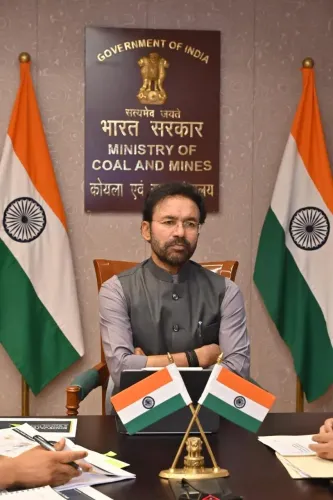
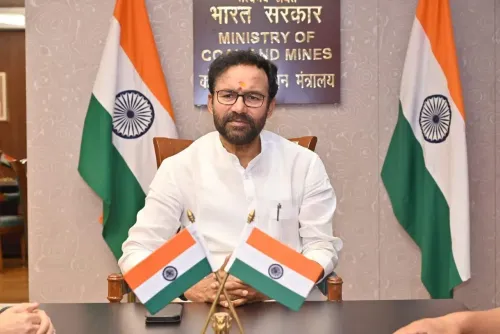
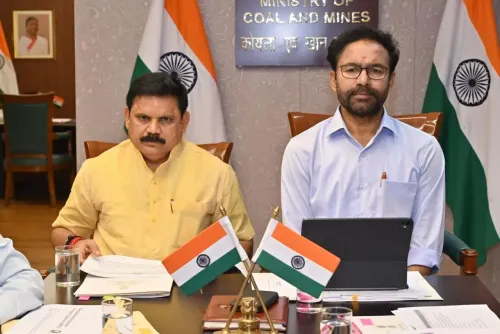
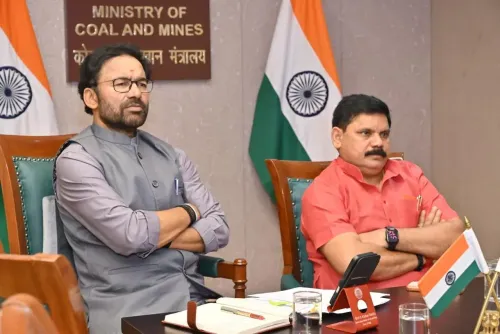
Union Coal and Mines Minister G. Kishan Reddy chaired a review meeting with senior officials of the Ministry of Coal in New Delhi on Monday, July 6, 2026, to assess progress on mine closure plans, accelerate scientific mine closure processes, boost coal production, and strengthen sustainable mining practices.
Context
The minister convened the meeting at the ministry headquarters, bringing together senior officials to take stock of the sector across multiple fronts simultaneously — production targets, environmental compliance, and long-term land restoration. The deliberations covered measures to expedite scientific mine closure, a process that involves systematic land rehabilitation, groundwater restoration, and third-party audits of decommissioned sites.
Reddy tagged the official @CoalMinistry handle in his post, signalling a coordinated communication push from the ministry on governance and oversight activity.
Policy Backdrop
India's coal sector has operated under a dual mandate since the mid-2010s: expand domestic output to reduce import dependence while enforcing stricter environmental norms for mines reaching the end of their operational life. The Coal Mines (Special Provisions) Act, 2015 restructured block allocations following a Supreme Court order cancelling prior allotments, and commercial coal mining was opened to private players in 2020 to further accelerate domestic production.
Mine closure guidelines have been revised periodically since 2017, progressively mandating escrow fund requirements, scientific restoration protocols, and independent audits. These norms apply to Coal India Limited — the world's largest coal producer — as well as private and captive mine operators. The emphasis on scientific closure reflects a broader policy of phasing out exhausted older mines while simultaneously auctioning new blocks.
India's net-zero commitment, announced in 2021, and its obligations under the Paris Agreement have added urgency to the mine closure agenda, even as the country continues to rely on coal for the bulk of its thermal power generation.
Stakeholders and Impact
The meeting's agenda directly affects several key constituencies. Coal India Limited and private mining companies face compliance timelines on closure plans and escrow fund adequacy. Power utilities — which depend on steady domestic coal supply to avoid costly imports — have a stake in the production augmentation discussion.
Mining communities living near operational and post-closure sites are among the most directly impacted stakeholders, as scientific closure norms are designed to address land degradation, water contamination, and livelihood transition. Stricter enforcement of these norms can determine the quality of rehabilitation in coal-belt districts across Jharkhand, Odisha, Chhattisgarh, and West Bengal.
What's Next
The outcomes of the review are expected to feed into ministry-level directives to mining companies on closure timelines and production benchmarks. Observers will watch for any revised escrow norms or updated mine closure guidelines that may follow from the deliberations. Parliamentary discussions on coal sector budget allocations and the next quarterly production data release will be the next significant markers of how the ministry translates this review into measurable policy action.
The meeting signals that the Ministry of Coal is moving to tighten oversight of both the environmental and output dimensions of the sector — a balancing act that will define India's coal governance posture as older mines wind down and newer commercial blocks ramp up.
Point of View
Production, and sustainability in a single sitting reflects the Ministry of Coal's effort to manage a structural tension at the heart of Indian energy policy: scaling up output for energy security while honouring environmental commitments. For Kishan Reddy, who holds both the coal portfolio and the BJP's Telangana state presidency, visible governance activity in a high-stakes ministry serves a dual purpose — administrative signalling and political credibility in a resource-rich region. The emphasis on 'scientific mine closure' is notable because it represents a long-deferred compliance push; many older mines have historically lagged on restoration norms. If the review translates into enforceable timelines, it could mark a meaningful step in aligning India's coal sector with its net-zero trajectory without disrupting near-term power supply.
NationPress
5 Oct 2026
Frequently Asked Questions
What is scientific mine closure in India?
Scientific mine closure refers to the systematic decommissioning of a coal mine that includes land reclamation, groundwater restoration, removal of infrastructure, and third-party environmental audits, as mandated under India's periodically revised mine closure guidelines since 2017.
What did G. Kishan Reddy discuss at the coal ministry meeting on July 6?
G. Kishan Reddy chaired a review meeting with senior Ministry of Coal officials in New Delhi on July 6, 2026, covering progress on mine closure plans, measures to expedite scientific mine closure, coal production augmentation, and sustainable mining practices.
What is Coal India Limited's role in mine closure?
Coal India Limited, the world's largest coal producer, is required to maintain escrow funds and submit mine closure plans for all its operational mines, making it the primary entity affected by any tightening of India's mine closure norms.
Why is mine closure important for India's net-zero goals?
Proper mine closure reduces long-term environmental liabilities, rehabilitates degraded land, and signals a managed phase-out of exhausted coal assets — all of which are relevant to India's net-zero commitment announced in 2021 and its obligations under the Paris Agreement.
Which states are most affected by coal mine closure policies in India?
The coal-belt states of Jharkhand, Odisha, Chhattisgarh, and West Bengal are most directly affected, as they host the majority of India's operational and end-of-life coal mines and the communities dependent on them.