Jal Shakti Minister Paatil Reviews Brahmaputra Board Operations
Synopsis
Union Jal Shakti Minister C. R. Paatil on 6 July 2026 reviewed the Brahmaputra Board's activities, stressing the Modi government's commitment to efficient and sustainable water resource management in Northeast India and calling for suggestions to strengthen the statutory body.
Key Takeaways
Union Jal Shakti Minister C.
Paatil chaired a review of Brahmaputra Board activities on 6 July 2026 .
The minister reaffirmed the central government's commitment to 'efficient, coordinated and sustainable' management of water resources under PM Narendra Modi .
Multiple suggestions were shared during the meeting to improve the board's operational effectiveness.
The Brahmaputra Board , established under the Brahmaputra Board Act, 1980 , oversees flood control, irrigation and navigation planning in the Brahmaputra and Barak valleys .
The review has direct implications for flood and erosion management affecting millions in Assam and other Northeast states .
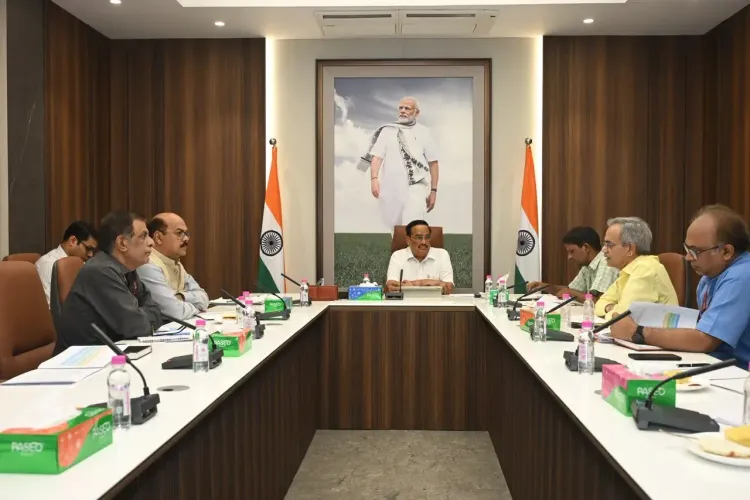
Union Jal Shakti Minister C. R. Paatil on Monday, 6 July 2026, conducted a review of the activities of the Brahmaputra Board, reaffirming the central government's commitment to efficient, coordinated and sustainable management of water resources in the Northeast India river basin. The minister shared that multiple suggestions were put forward during the meeting to enhance the board's operational effectiveness.
Context
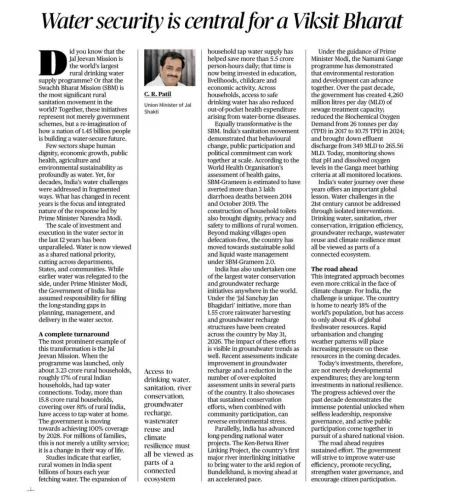
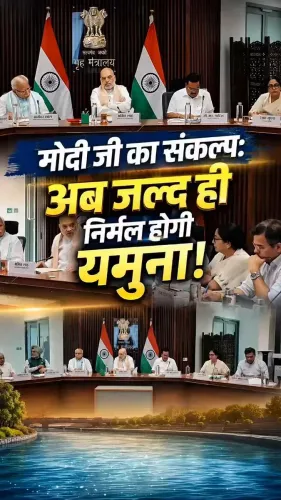
Posting on X, Minister Paatil wrote in Hindi: 'आज ब्रह्मपुत्र बोर्ड की गतिविधियों की समीक्षा की' ('Today, the activities of the Brahmaputra Board were reviewed'). He noted that under the leadership of Prime Minister Narendra Modi, the Government of India remains 'continuously committed to the efficient, coordinated and sustainable management of water resources.' The post was accompanied by four images from the review meeting.
The minister added that 'various suggestions were shared during the meeting to make the Brahmaputra Board more effective in its functioning,' signalling an active push to strengthen the statutory body's capacity and reach.
Policy Backdrop
The Brahmaputra Board is a statutory body established under the Brahmaputra Board Act, 1980, by Parliament. It operates under the Ministry of Jal Shakti and is mandated to prepare master plans for flood control, irrigation, drainage and navigation in the Brahmaputra and Barak river valleys.
The Brahmaputra River originates in Tibet and flows through Arunachal Pradesh and Assam before entering Bangladesh, making it a transboundary waterway of strategic importance. The region faces recurrent challenges of severe flooding and riverbank erosion, which affect millions of residents annually in Northeast India.
The National Water Policy of 2012 and subsequent revisions have consistently emphasised integrated river basin management and the strengthening of regional boards for coordinated, multi-state water governance. Successive central governments have periodically reviewed the board's functioning to improve its responsiveness to these challenges.
Stakeholders and Impact
The primary stakeholders of Brahmaputra Board decisions are the residents of Assam and other Northeast states, including Arunachal Pradesh, Meghalaya, and Manipur, who are directly affected by flooding, erosion and water availability. Effective board functioning has downstream implications for agricultural livelihoods, infrastructure resilience and disaster preparedness across the region.
State governments sharing the Brahmaputra basin are also key stakeholders, as the board's master plans require inter-state coordination. Any enhancement of the board's capacity or mandate would require alignment between the Union Ministry of Jal Shakti and respective state water resource departments.
What's Next
The suggestions raised during the 6 July 2026 review meeting are expected to inform follow-up actions, potentially including state-level coordination meetings and operational reforms within the board. Observers will watch for any announcements related to Brahmaputra flood management funding in the next Union Budget or the Winter Session of Parliament.
The review signals the Ministry of Jal Shakti's intent to keep the Brahmaputra Board's governance framework under active scrutiny, as the Northeast's water security challenges grow in complexity amid climate variability and increasing demand for coordinated basin-level planning.
Point of View
Keeping options open before budget or legislative cycles. For a ministry that also oversees the Jal Jeevan Mission, periodic engagement with regional statutory bodies like the Brahmaputra Board helps maintain federal credibility with Northeast states. The review's timing and public communication suggest the ministry is positioning Jal Shakti as an active steward of transboundary river management ahead of the monsoon season.
NationPress
6 Jul 2026
Frequently Asked Questions
What is the Brahmaputra Board and what does it do?
The Brahmaputra Board is a statutory body created by Parliament under the Brahmaputra Board Act, 1980, and functions under the Ministry of Jal Shakti. It is responsible for preparing master plans for flood control, irrigation, drainage and navigation in the Brahmaputra and Barak river valleys in Northeast India.
Why did Jal Shakti Minister C. R. Paatil review the Brahmaputra Board?
Minister C. R. Paatil conducted the review on 6 July 2026 to assess the board's activities and discuss ways to enhance its operational effectiveness, reaffirming the government's commitment to sustainable water resource management in the Northeast.
Which states are affected by the Brahmaputra Board's work?
The board's work primarily affects Assam and Arunachal Pradesh, through which the Brahmaputra flows, as well as other Northeast states including Meghalaya and Manipur that share the broader river basin and face related flood and erosion challenges.
What are the main challenges the Brahmaputra Board addresses?
The board focuses on recurrent flooding, severe riverbank erosion and sustainable water use in Northeast India. The Brahmaputra is a transboundary river originating in Tibet, making coordinated management across states and international boundaries especially complex.
What could follow from the 6 July 2026 Brahmaputra Board review?
Possible follow-up actions include state-level coordination meetings, operational reforms within the board, and potential announcements on Brahmaputra flood management funding in the next Union Budget or Winter Session of Parliament.