CM Yogi: 'Ram Means the Nation, the Soul of India'
Synopsis
UP Chief Minister Yogi Adityanath declared on X that 'Ram means the Nation' and that Lord Ram is the original source of India's soul. The statement reinforces the BJP government's cultural-nationalist policy framework, anchored by the January 2024 Ayodhya temple consecration and ongoing Ramayana tourism development in Uttar Pradesh.
Key Takeaways
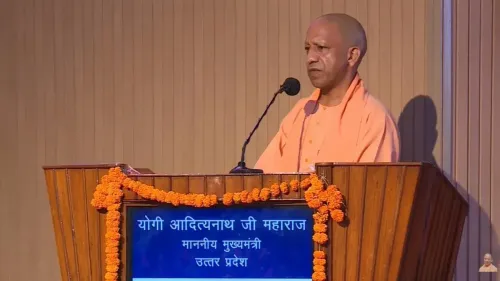
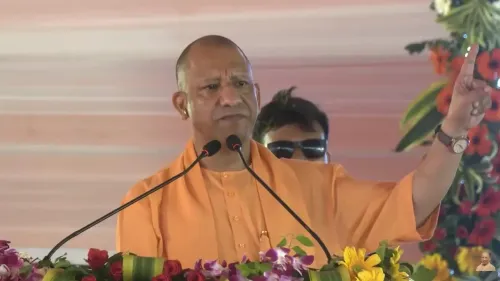
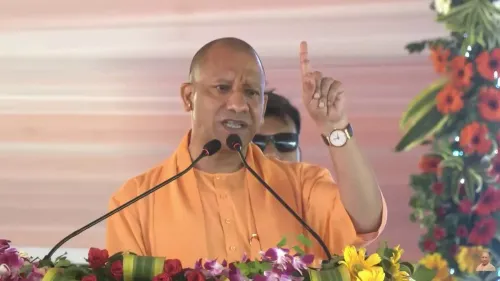
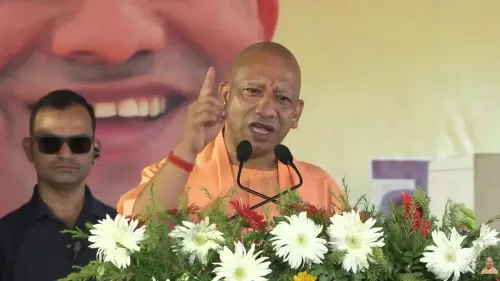
Yogi Adityanath posted on 6 July 2026 that 'Ram means the Nation' and Lord Ram is 'the original source of India's soul.' The post was shared with a video and written in Hindi, signalling a domestic cultural-nationalist audience.
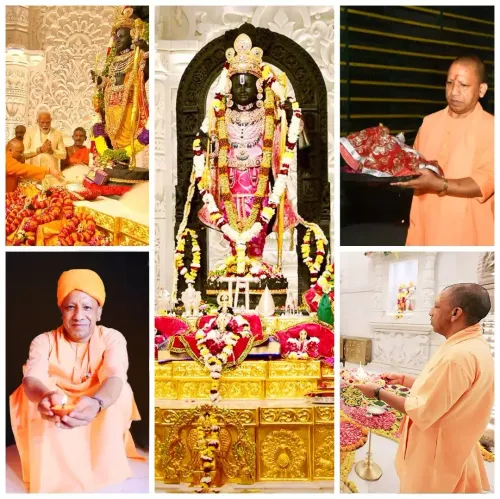
The Ram Temple at Ayodhya was consecrated in January 2024 following the landmark 2019 Supreme Court verdict .
The Uttar Pradesh government has developed the Ramayana Circuit tourism corridor linking Ram-associated sites across the state.
Yogi Adityanath leads both the state government and the Gorakhnath Math , giving his statements a dual political and religious authority.
The messaging is expected to intensify ahead of the 2027 Uttar Pradesh assembly elections .
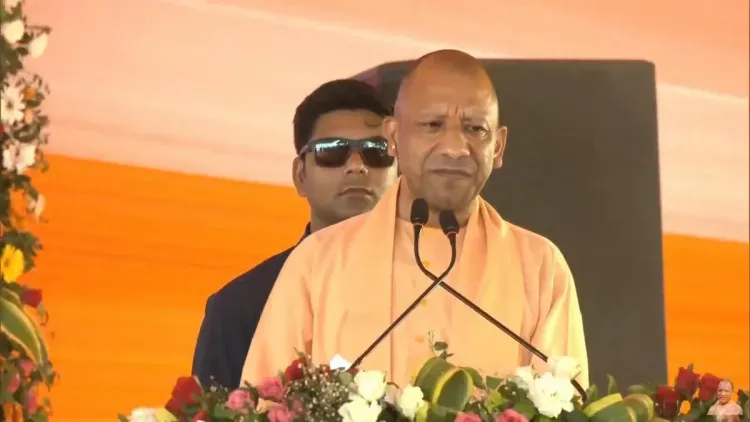
Uttar Pradesh Chief Minister Yogi Adityanath invoked Lord Ram as the spiritual and national core of India on Monday, 6 July 2026, sharing a message on X that described Ram as the 'original source of India's soul.' The post, carrying a video, drew on the deep cultural and political significance the BJP-led government has attached to the Ram narrative since the consecration of the Ram Temple at Ayodhya.
Context
In the post, Yogi Adityanath wrote in Hindi: 'Ram ka matlab Rashtra... Prabhu Shri Ram Bharat ki aatma ke mool srot hain...' — translated as, 'Ram means the Nation... Lord Shri Ram is the original source of India's soul.' The statement is a concise articulation of the cultural-nationalist position that the Bharatiya Janata Party has advanced as a governing philosophy, particularly in Uttar Pradesh.
As the head of the Gorakhnath Math in Gorakhpur — one of the oldest Nath monasteries in India — Yogi Adityanath occupies a dual role: elected chief minister and religious authority. His public pronouncements on Lord Ram carry weight both as political messaging and as theological assertion from a recognised spiritual institution.
Policy Backdrop
The post comes in the context of a sustained policy emphasis on Ram-linked heritage. The 2019 Supreme Court verdict cleared the path for the construction of the Ram Temple at Ayodhya, and the temple was consecrated in a nationally televised ceremony in January 2024, attended by Prime Minister Narendra Modi. The event was framed by the BJP as the fulfilment of a decades-long civilisational aspiration.
Since the consecration, the Uttar Pradesh government has pursued an accelerated programme of tourism and infrastructure development around Ayodhya, including the Ramayana Circuit — a tourism corridor linking sites associated with the life of Lord Ram across the state. Cultural festivals and official commemorations tied to the Ram narrative have become a regular feature of the state's public calendar.
Stakeholders and Impact
The statement resonates most directly with Hindu devotees across India, for whom Lord Ram is a central religious figure, and with cultural organisations in Uttar Pradesh that have long campaigned for greater state recognition of Ram-linked heritage. For the BJP's broader voter base, such messaging reinforces the party's identity as a custodian of Hindu cultural values.
Critics of Hindutva-inflected cultural policy have in the past argued that framing a religious figure as synonymous with national identity risks marginalising citizens of other faiths. That debate remains active in Indian public discourse, though Yogi Adityanath's post does not engage with it directly.
What's Next
With the 2027 Uttar Pradesh assembly elections on the horizon, the frequency and tone of Ram-centred messaging from the state government is expected to intensify. Observers will watch for further announcements on Ayodhya tourism infrastructure, Ramayana Circuit expansions, and state-sponsored cultural events that operationalise the ideological position Yogi Adityanath articulated in this post. The statement sets a rhetorical marker that is likely to be echoed across BJP platforms in the months ahead.
Point of View
Roughly a year before the next Uttar Pradesh assembly election, the Chief Minister is laying an ideological groundwork that frames governance itself as an act of civilisational restoration. The dual authority he commands — as elected chief minister and as head of the Gorakhnath Math — gives the message a reach that purely political actors cannot replicate. Whether this consolidates his support base or sharpens opposition mobilisation around pluralism will be a defining tension of the 2027 UP campaign.
NationPress
5 Oct 2026
Frequently Asked Questions
What did Yogi Adityanath say about Ram and India?
Yogi Adityanath wrote on X that 'Ram means the Nation' and that Lord Ram is 'the original source of India's soul,' framing the deity as central to Indian national identity.
Why is Ayodhya important to Yogi Adityanath and the BJP?
Ayodhya is regarded as the birthplace of Lord Ram and is the site of the Ram Temple consecrated in January 2024 — an event the BJP has described as the fulfilment of a decades-long civilisational goal.
What is the Gorakhnath Math and what is Yogi Adityanath's role there?
The Gorakhnath Math is an ancient Nath monastery in Gorakhpur, Uttar Pradesh. Yogi Adityanath is its current head, a position that gives him religious authority alongside his role as Chief Minister.
What is the Ramayana Circuit in Uttar Pradesh?
The Ramayana Circuit is a tourism corridor developed by the Uttar Pradesh government linking sites associated with the life of Lord Ram across the state, part of a broader push to promote Ram-linked heritage tourism.
How does Yogi Adityanath's Ram messaging connect to the 2027 UP elections?
With the 2027 Uttar Pradesh assembly elections approaching, Yogi Adityanath's cultural-nationalist statements are seen as part of a strategy to consolidate the BJP's Hindu voter base by reinforcing the party's identity as a protector of Ram-linked heritage.