CM Conrad Sangma Unlocks ₹100 Cr for Meghalaya via Debt Reform
Synopsis
Meghalaya CM Conrad Sangma announced Cabinet approval of a Medium-Term Debt Management Strategy for 2027–30, fulfilling SASCI reform conditions for 2026–27 and unlocking an additional ₹100 crore in central capital investment incentives for the state.
Key Takeaways
Meghalaya Cabinet approved a Medium-Term Debt Management Strategy covering 2027–28 to 2029–30 .
The move fulfils the reform conditionality under SASCI (Scheme for Special Assistance to States for Capital Investment) for 2026–27 .
Meghalaya will receive an additional ₹100 crore in central incentives as a result.
The reform shifts the state away from short-term loans toward medium-term borrowing instruments to improve financial stability.
CM Conrad Sangma tagged Union Finance Minister Nirmala Sitharaman , signalling central-state coordination on the reform.
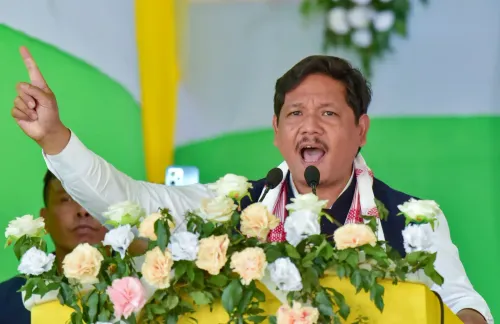
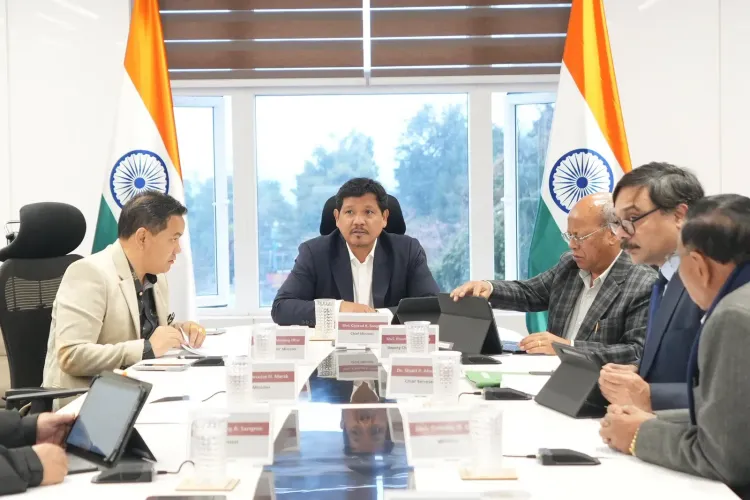
A fiscal discipline move is about to pay off — literally. Meghalaya Chief Minister Conrad Sangma announced on Thursday, 19 November 2026 that his Cabinet has approved a Medium-Term Debt Management Strategy for 2027–28 to 2029–30, fulfilling a key reform conditionality under the Scheme for Special Assistance to States for Capital Investment (SASCI) for 2026–27 — and the reward is an additional ₹100 crore in central incentives flowing to the state.
The Borrowing Shift That Triggered the Incentive
The reform at the heart of this announcement is a structural change in how Meghalaya borrows money. Rather than leaning heavily on short-term loans — which carry rollover risk and create unpredictable refinancing pressures — the state is committing to medium-term borrowing instruments as the backbone of its debt portfolio. The Cabinet approval of a three-year debt strategy, covering 2027–28 through 2029–30, signals a deliberate move toward long-horizon planning and financial stability.
CM Sangma directly tagged Union Finance Minister Nirmala Sitharaman in his post, acknowledging the central government's role in designing the reform framework that made the incentive possible.
SASCI: The Reform-for-Capital Bargain
SASCI is a Union government scheme that offers states additional capital investment funds — but only against measurable fiscal and governance reforms. It operates on a simple but powerful logic: demonstrate sub-national fiscal discipline, unlock more central resources for infrastructure and development spending. Since its introduction, successive annual iterations of SASCI have linked capital assistance to reforms in debt management, capital expenditure quality, and fiscal reporting.
Meghalaya's fulfilment of the 2026–27 reform conditionality means the additional ₹100 crore now flows directly into the state's capital investment budget — money that can be deployed on roads, schools, water infrastructure, or any other public asset-building activity the state prioritises.
Cooperative Federalism in Action
This episode fits a well-worn but increasingly important pattern in Indian fiscal federalism. Smaller and northeastern states like Meghalaya — which face tighter revenue bases and higher per-capita infrastructure deficits than larger states — have the most to gain from performance-linked central schemes. By anchoring additional transfers to concrete, verifiable reforms rather than formula-based devolution alone, schemes like SASCI create a direct line between a state cabinet decision and additional rupees on the ground.
The shift toward medium-term debt management also matters beyond the incentive itself. States that diversify away from short-term borrowing reduce the risk of a refinancing crunch — the kind of fiscal squeeze that can derail capital projects mid-execution. For Meghalaya, the strategy serves both as a compliance measure and a genuine upgrade to how the state manages its balance sheet.
The next test is delivery: whether the ₹100 crore disburses on schedule and whether this debt strategy disciplines future borrowing decisions — or whether it remains a document milestone. Either way, the reform window is now open.
Point of View
This is both a fiscal win and a political one: tangible central resources secured through governance reform, not political negotiation. The broader significance lies in the template it offers other cash-constrained northeastern states watching whether SASCI conditionalities are worth meeting. If the ₹100 crore disburses smoothly and capital spending accelerates, Meghalaya becomes a proof-of-concept that fiscal discipline and development investment are complementary — not competing — priorities.
NationPress
19 Nov 2026
Frequently Asked Questions
What is the SASCI scheme and how does it work?
SASCI — Scheme for Special Assistance to States for Capital Investment — is a Union government programme that provides additional capital funds to states, but only after they fulfil specific fiscal and governance reform conditions. States that meet the conditionalities in a given year unlock extra central assistance for infrastructure and development spending.
How much money will Meghalaya receive under SASCI for the 2026-27 reform?
Meghalaya is set to receive an additional ₹100 crore in incentives under SASCI after fulfilling the 2026–27 reform conditionality through its Cabinet-approved Medium-Term Debt Management Strategy.
What is a medium-term debt management strategy and why does it matter?
A medium-term debt management strategy is a government plan that prioritises borrowing through medium-horizon instruments rather than short-term loans. It matters because short-term borrowing creates rollover risk — the danger of a sudden refinancing crunch — while medium-term borrowing improves fiscal predictability and long-term financial stability.
What period does Meghalaya's new debt strategy cover?
Meghalaya's Cabinet-approved debt management strategy covers three financial years: 2027–28, 2028–29, and 2029–30 .
What is Conrad Sangma's role and which party does he represent?
Conrad Sangma is the Chief Minister of Meghalaya and the national president of the National People's Party (NPP) , a regional political party based in the northeastern states of India.