Trump defends FIFA red card review request at 2026 World Cup
Synopsis
A sitting US president lobbied FIFA's chief over a red card — and got the result he wanted. Trump's defence that he 'only asked for a review' does little to quiet concerns about political pressure on tournament officiating, especially with the host nation still competing in a World Cup held on American soil.
Key Takeaways
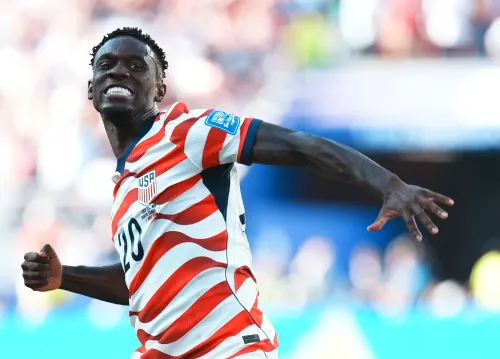
President Donald Trump confirmed he contacted FIFA President Gianni Infantino to request a review of a red card issued to a US player at the 2026 FIFA World Cup .
Trump maintained he did not pressure FIFA, saying: 'All I did was ask for a review.' FIFA ultimately allowed the player to remain eligible, a decision Trump described as correct.
Trump criticised the referee, calling the red card decision 'horrible' and inconsistent with other physical challenges in the match.
The President praised Infantino and claimed the US-hosted World Cup has been 'four times more successful' than previous editions, with TV audiences rivalling the Super Bowl.
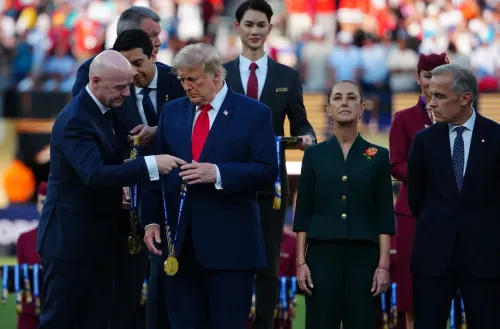
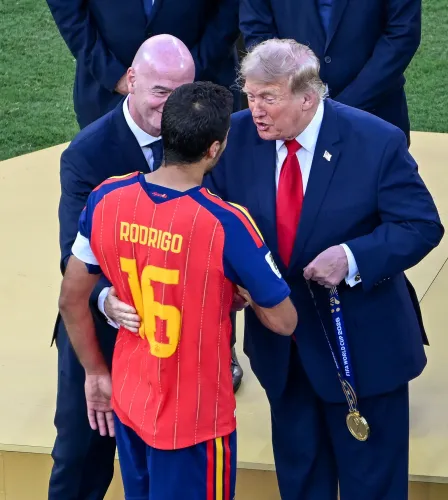
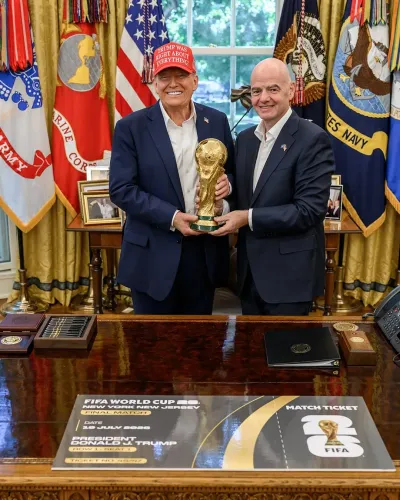
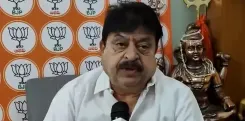
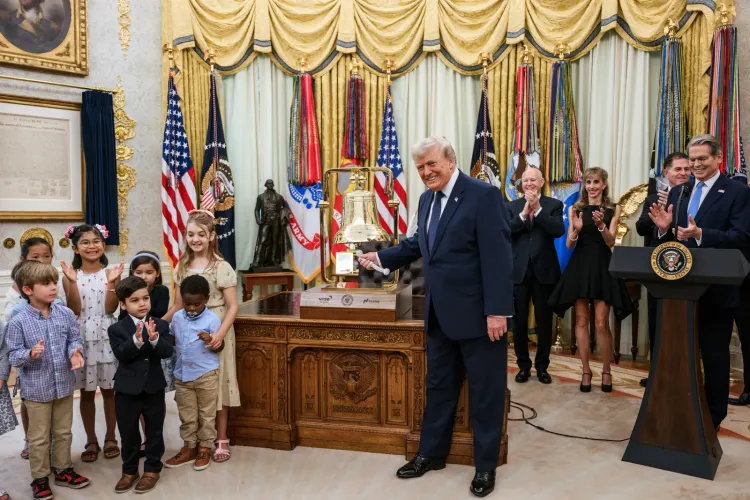
US President Donald Trump on Monday, 7 July 2025, publicly defended his intervention in a disputed red card issued to a United States player during the FIFA World Cup, insisting he had only requested a review and had not pressured the governing body into reversing the decision. Speaking from the White House, Trump confirmed he had spoken directly with FIFA President Gianni Infantino following the incident and said he believed FIFA ultimately reached the correct outcome by keeping the player eligible.
What Trump Said
Trump was unequivocal that his request was limited to asking for a review, not dictating a result. 'I asked for a review because I didn't think it was a foul,' he said. 'I thought it was two great athletes that crashed into each other and got entangled. That was not a guy punching somebody in the face.'
He also acknowledged unfamiliarity with football's disciplinary rules, saying he was unaware that a red card carried an automatic suspension for the next match. 'I didn't know what the hell a red card was,' he said. 'When I found out, I said, you've got to be kidding. Your best player is not going to play next week or in the next game.'
Trump's Case for Keeping Players on the Field
The President framed his intervention as a matter of competitive fairness, arguing that the integrity of the tournament depended on both sides fielding their strongest squads. 'You've got to have our best players,' he said. 'If they beat us, then they can be really proud. Otherwise... it would be a terrible thing.'
Trump also criticised the referee's judgement, saying the sending-off was inconsistent with how other physical challenges in the same match had been handled. 'I think the referee's call was horrible,' he said. 'It was not a foul.'
Praise for Infantino and the Tournament
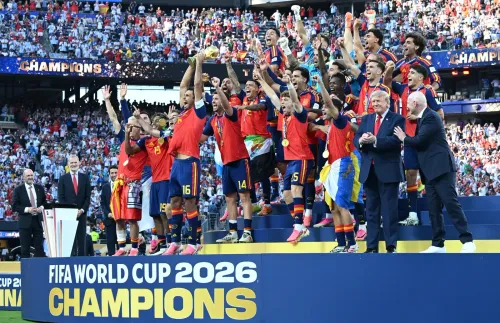
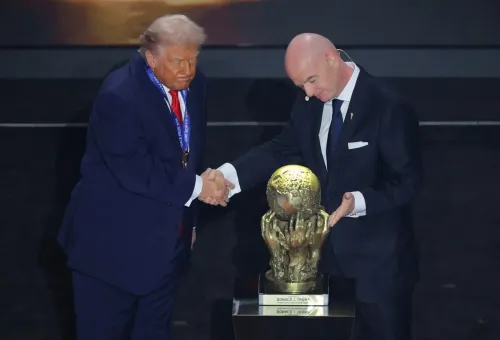
Trump praised Infantino, describing him as 'a smart, tough man' who had overseen what the President called the most successful World Cup in history. He claimed television audiences for matches in the United States were reaching Super Bowl-sized numbers, pointing to the recent Mexico–England fixture as evidence of surging public interest. 'This has been four times more successful,' Trump said of the tournament. 'Every game is like a Super Bowl.'
Questions Over Political Precedent
When asked whether his public comments could set a precedent for political leaders seeking to influence sporting decisions, Trump pushed back. 'I didn't tell him what to do,' he said of Infantino. 'I said, I think it should be reviewed.' Critics, however, argue that a sitting head of state lobbying a global sports governing body — even informally — raises serious questions about the independence of officiating and tournament governance.
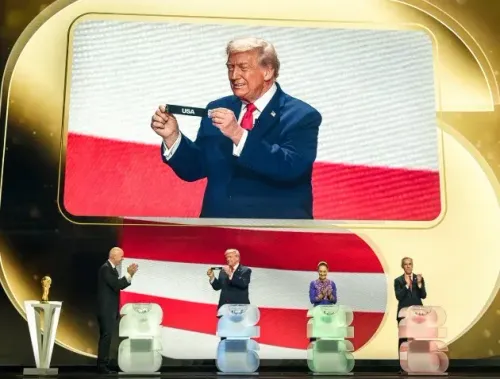
The episode comes amid broader scrutiny of political influence over the 2026 FIFA World Cup, co-hosted by the United States, Canada, and Mexico. With the US men's national team still in contention, the stakes of every disciplinary decision have taken on an outsized political dimension. How FIFA navigates future controversies involving the host nation will be closely watched for the remainder of the tournament.
Point of View
Public standard for when reviews are triggered, every future controversial call involving the host nation will invite the same playbook.
NationPress
5 Oct 2026
Frequently Asked Questions
Why did Trump intervene in the FIFA red card decision?
Trump said he intervened because he believed the red card issued to the US player was unwarranted, describing the incident as two athletes colliding rather than a deliberate foul. He contacted FIFA President Gianni Infantino to request a review, not to dictate an outcome, he maintained.
Did Trump pressure FIFA to overturn the red card?
Trump denied applying pressure, saying: 'I had nothing to do with the decision. All I did was ask for a review.' However, critics argue that a sitting head of state publicly lobbying a global sports body constitutes undue influence, regardless of the framing.
What was FIFA's decision on the red card?
FIFA allowed the US player to remain eligible following the review — an outcome Trump described as the correct one. The governing body has not publicly detailed the procedural basis for the review.
What did Trump say about the 2026 FIFA World Cup overall?
Trump praised the tournament as the most successful World Cup in history, claiming television audiences were reaching Super Bowl-sized numbers. He credited Gianni Infantino's leadership and said every match 'is like a Super Bowl.'
Does Trump's intervention set a precedent for political leaders influencing sport?
That is the central concern raised by observers. Trump rejected the characterisation, saying he merely expressed an opinion. But with the US co-hosting the tournament, any perception that host-nation political figures can influence disciplinary outcomes could undermine FIFA's credibility for the remainder of the competition.