Infantino confirms Trump called over Balogun ban, defends FIFA judicial independence
Synopsis
FIFA's credibility is under the microscope after Gianni Infantino confirmed Donald Trump personally called him over Folarin Balogun's red card — and days later, Balogun's suspension was placed on probation under a rarely used provision, making him eligible for Monday's USA vs Belgium clash. UEFA says a red line has been crossed. FIFA says its judicial bodies are independent. The sequence of events invites its own verdict.
Key Takeaways
FIFA President Gianni Infantino confirmed U.S.
President Donald Trump called him about Folarin Balogun's one-match suspension on 7 July .
Balogun was red-carded for stamping on Tarik Muharemovic during the USA's 2-0 win over Bosnia and Herzegovina on 1 July .
The FIFA Disciplinary Committee imposed the ban but suspended enforcement under Article 27 of the FIFA Disciplinary Code , keeping Balogun eligible for the USA vs Belgium round-of-16 match.
The Belgian Football Association expressed "astonishment" ; UEFA said the ruling "crossed a red line." According to Opta , no player has appeared in their team's next World Cup match after a red card since the card system was introduced in 1970 .
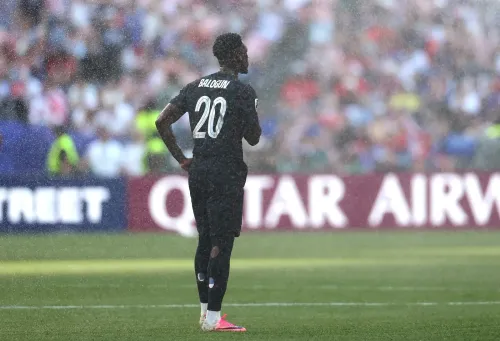
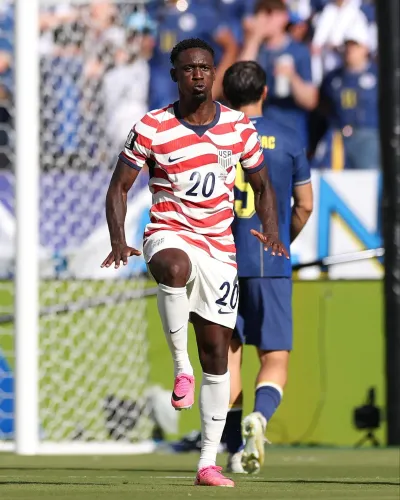
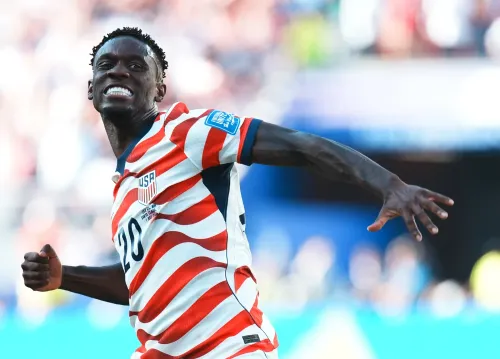
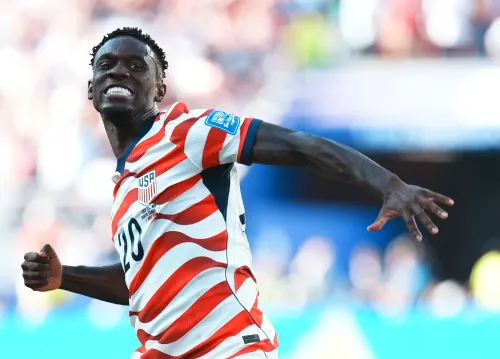
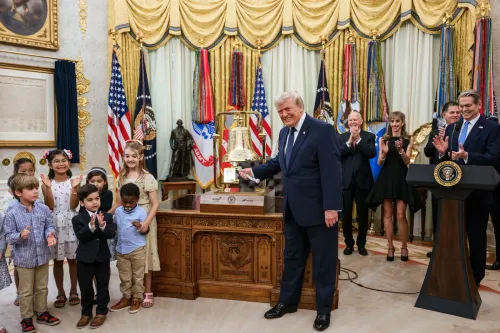
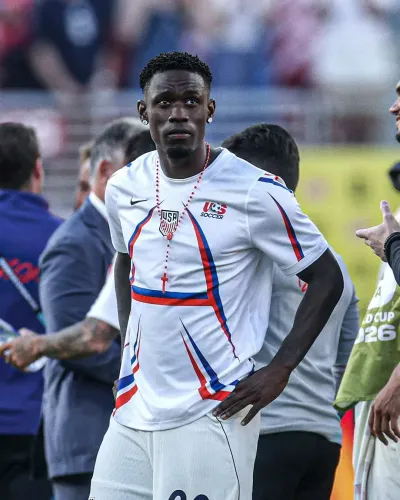
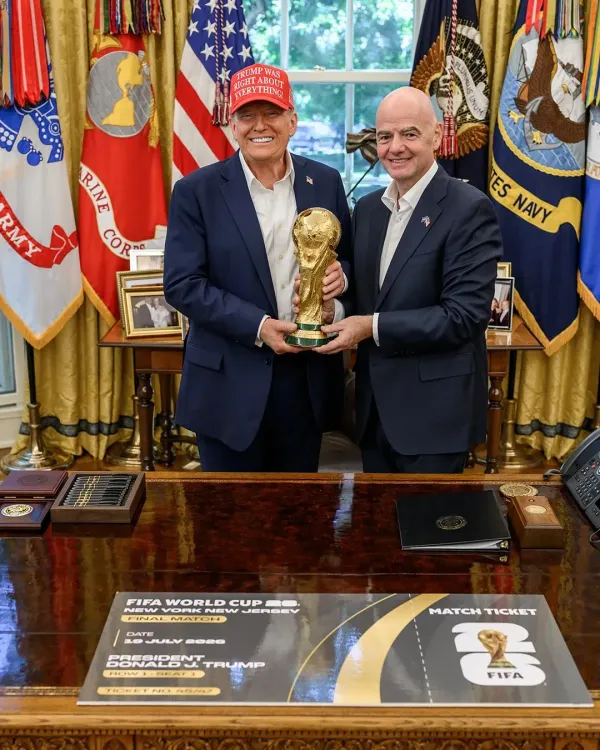
FIFA President Gianni Infantino on 7 July confirmed that U.S. President Donald Trump had personally called him regarding the disciplinary case involving U.S. striker Folarin Balogun, while firmly asserting that the decision to suspend the enforcement of Balogun's one-match ban was made entirely by FIFA's independent judicial bodies. The admission has intensified scrutiny over whether political pressure influenced a ruling that could shape the 2026 FIFA World Cup round-of-16 clash between the United States and Belgium in Seattle.
What Led to the Controversy
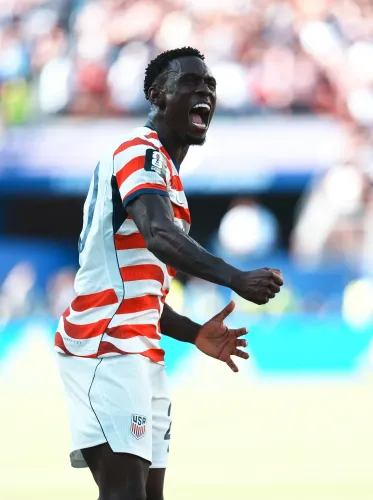
Balogun was shown a red card for stamping on defender Tarik Muharemovic during the United States' 2-0 victory over Bosnia and Herzegovina in the World Cup round of 32 on 1 July. The FIFA Disciplinary Committee subsequently imposed a one-match suspension but — invoking Article 27 of the FIFA Disciplinary Code — suspended enforcement of that sanction for a one-year probationary period, leaving Balogun eligible to face Belgium on Monday.
Infantino's Defence of Judicial Independence
Addressing the backlash directly, Infantino issued a statement reiterating the structural separation between FIFA's executive leadership and its disciplinary arm. "FIFA's judicial bodies are independent. They operate autonomously, apply the FIFA Disciplinary Code, and decide cases based on the applicable regulations and the specific facts before them. Their independence is essential to the credibility and integrity of football, and this must always be respected," he said.
On the Trump call, Infantino said: "Yes, I regularly discuss matters related to the FIFA World Cup with the President of the United States, and on this matter, I did receive a call from President Donald Trump, just as I receive calls from heads of state, government officials, football stakeholders and business executives from around the world on many different issues."
He added that during the conversation he had explained that "there was an ongoing legal process involving FIFA's independent judicial bodies and that the case would be decided in due course by the competent bodies."
European Football Bodies Push Back
The ruling drew swift condemnation from European football authorities. The Belgian Football Association issued a statement expressing "astonishment" at the decision. UEFA, European football's governing body, went further, saying the ruling had "crossed a red line" and warned it could have negative consequences for the sport as a whole. The criticism underscores a growing fault line between European football institutions and FIFA's handling of the World Cup hosted on American soil.
A Historic Precedent on the Line
According to sports statistics provider Opta, no player has ever appeared in his team's next FIFA World Cup match after receiving a red card since the yellow and red card system was introduced in 1970. Should Balogun take the field against Belgium on Monday in Seattle, he would become the first player in World Cup history to do so — a milestone that critics argue should never have been made possible through a probationary suspension.
Infantino on Personal Disagreement vs. Institutional Respect
Infantino acknowledged that he does not always agree with the Disciplinary Committee's rulings. "Sometimes I am surprised by them. Sometimes I agree with them, and sometimes I disagree," he said. "What I always do, however, is respect those decisions and the autonomy of the bodies that make them. Whether we personally like a decision or not is irrelevant."
Trump had previously acknowledged in an interview that he had called Infantino and urged FIFA to review Balogun's red card decision. The sequence of events — a presidential call followed by an unprecedented probationary suspension — has fuelled questions about the timing, even as FIFA insists the two were unrelated.
Point of View
Even if every procedural step was technically correct. Infantino's defence rests entirely on the credibility of FIFA's judicial independence, which is itself a contested proposition given the organisation's governance history. UEFA's 'red line' language is not hyperbole; it signals that European federations may push for structural reforms to insulate disciplinary proceedings from political contact. The deeper issue is whether Article 27 probationary suspensions have ever been applied in a World Cup knockout context before — and if not, why now.
NationPress
5 Oct 2026
Frequently Asked Questions
Why is Folarin Balogun's suspension controversial at the 2026 FIFA World Cup?
Balogun received a red card for stamping on an opponent during the USA's 2-0 win over Bosnia and Herzegovina on 1 July. The FIFA Disciplinary Committee imposed a one-match ban but suspended enforcement under Article 27 of the FIFA Disciplinary Code, allowing him to play in the round-of-16 against Belgium — a decision that UEFA and the Belgian Football Association have strongly criticised.
Did Trump's call to Infantino influence the Balogun decision?
Infantino confirmed he received a call from U.S. President Donald Trump about the case but stated that the ruling was made independently by FIFA's judicial bodies. Trump had previously said in an interview that he urged FIFA to review Balogun's red card. FIFA maintains the two are unrelated.
What is Article 27 of the FIFA Disciplinary Code?
Article 27 allows FIFA's Disciplinary Committee to impose a suspension but defer its enforcement for a probationary period — in Balogun's case, one year. This provision effectively kept him eligible for the next match despite the ban being formally issued.
Why did UEFA and Belgium react so strongly to the ruling?
UEFA said the decision 'crossed a red line' and warned of negative consequences for the sport. The Belgian Football Association said it was 'astonished.' Both bodies argue the ruling sets a dangerous precedent by allowing a sanctioned player to compete in a knockout World Cup tie.
What historic record could Balogun break against Belgium?
According to Opta, no player has ever appeared in their team's next FIFA World Cup match after receiving a red card since the card system was introduced in 1970. If Balogun plays against Belgium on Monday in Seattle, he would be the first to do so in World Cup history.