Trump backs FIFA's Infantino, warns of 'terrible mistake' amid UEFA revolt
Synopsis
Donald Trump has stepped into football's biggest governance crisis in years, publicly backing FIFA president Gianni Infantino on Truth Social as UEFA, AFC and CONCACAF demand an independent probe. With CAF's 54 members and several South American nations on Infantino's side and a presidential election looming, the battle for control of global football has now taken on an unmistakable geopolitical edge.
Key Takeaways
Donald Trump publicly backed FIFA president Gianni Infantino on 11 August via a Truth Social post, warning of a 'terrible mistake' if Infantino were replaced.
UEFA , AFC , and CONCACAF accused Infantino of 'deception' and called for a fully independent investigation into his leadership.
The crisis centres on Infantino's abandoned proposal to sell 20 per cent of the World Cup's commercial rights for approximately $4.2 billion .
CAF 's 54 member associations and several South American nations — including Argentina and Mexico — have backed Infantino.
Nearly 70 of FIFA's 211 member associations reportedly support Infantino, while around a dozen have withdrawn earlier commitments.
Norway Football Federation president Lise Klaveness called for Infantino's resignation last week, ahead of the FIFA presidential election .
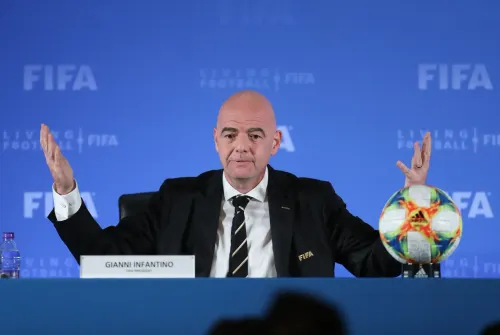
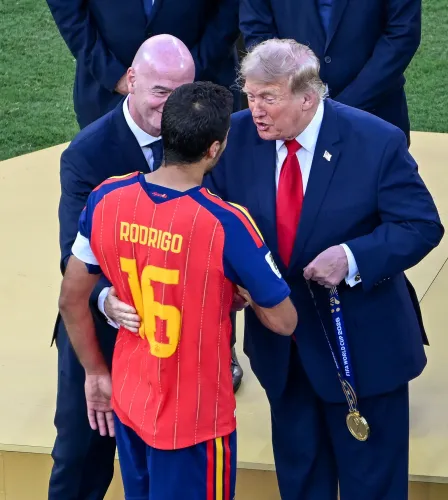
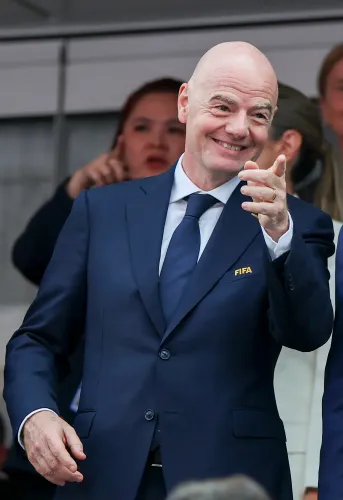
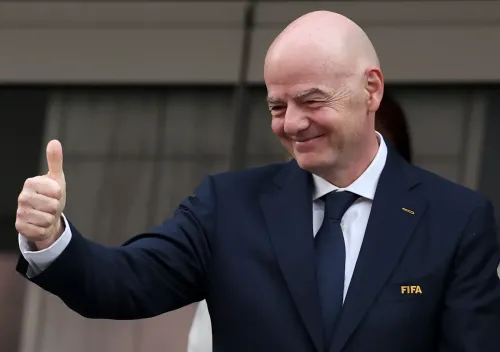
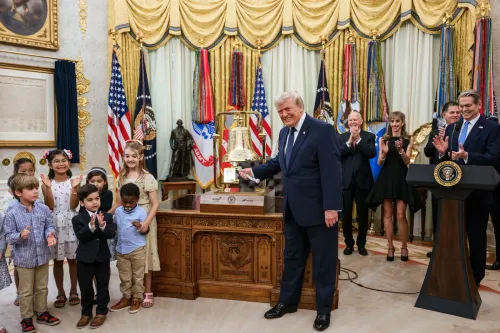
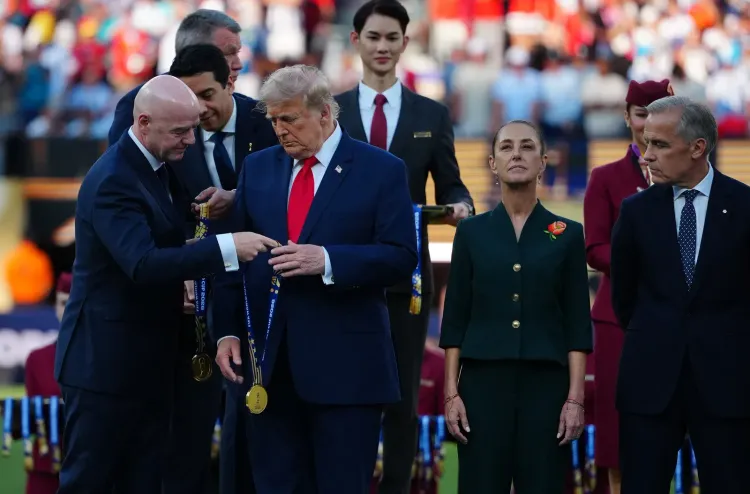
US President Donald Trump has publicly endorsed FIFA president Gianni Infantino, cautioning the world football governing body that it would make a 'terrible mistake' if it considered removing the Swiss administrator, as opposition to his leadership reaches a new peak. Trump made his position clear on 11 August in a post on his Truth Social platform, praising Infantino for overseeing what he described as the most successful World Cup in history.
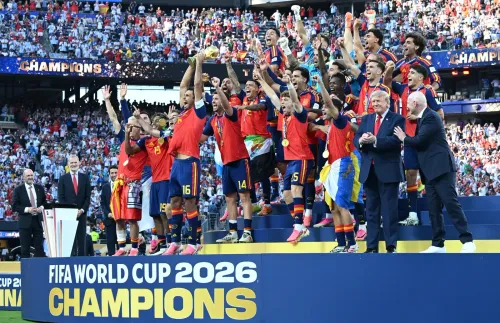
In his post, Trump wrote: 'FIFA would be making a terrible mistake if, for any reason, they even considered replacing President Gianni Infantino. He is fantastic, having just presided over the most successful World Cup, by four times, ever presented. If he is gone, it will never be as successful or profitable again! Thank you for your attention to this matter. President DJT.'
The Confederations Strike Back
Trump's intervention arrives at a particularly turbulent moment for Infantino. UEFA, the Asian Football Confederation (AFC), and CONCACAF launched a coordinated broadside against the FIFA president on Monday, accusing him of 'deception' and of placing himself above the collective good of the sport. The three confederations stopped short of explicitly demanding his resignation but called for a fully independent investigation into the circumstances surrounding a now-abandoned proposal to sell a stake in the World Cup's commercial rights.
In a joint open letter to the football community, the confederations declared: 'Football's strength has always been its unity. We call for that unity to be honoured now, for leadership that serves football, not seeks to command it.'
They also criticised an emergency FIFA meeting held in Morocco last week, claiming only one elected official was present — a claim that has added to calls for greater institutional transparency within the governing body.
The Commercial Rights Dispute
At the heart of the crisis is Infantino's proposal to sell 20 per cent of the World Cup's commercial rights to private investors, a move aimed at raising approximately $4.2 billion. The plan drew fierce opposition, particularly from European football bodies, and was eventually withdrawn. UEFA, backed by AFC and CONCACAF, has since threatened to boycott FIFA tournaments unless it receives firm assurances that similar proposals will not be revived.
The three confederations described the episode as a 'profound failure of judgement' and called for a review conducted entirely outside FIFA's own structures.
Infantino's Support Base
Despite the pressure, Infantino retains considerable backing across world football. The Confederation of African Football (CAF) issued a statement on behalf of its 54 member associations in his support, while Mexico and several South American nations — including Argentina, Paraguay, Ecuador, and Bolivia — have also publicly aligned with him. According to reports, nearly 70 of FIFA's 211 member associations have indicated support for Infantino, though around a dozen have reportedly withdrawn earlier commitments or confirmed they will not vote for him.
FIFA itself has strongly defended its president, warning against what it described as a 'concerted and ongoing effort' to undermine his leadership, and insisting any challenge must follow the organisation's statutes and democratic procedures. The governing body has also rejected allegations concerning payments made by UEFA to a former employee during Infantino's tenure as UEFA general secretary. Infantino has denied any wrongdoing; FIFA has called the allegations baseless.
Political Dimension and What Comes Next
Norway Football Federation president Lise Klaveness, a long-standing critic of Infantino, called for his resignation last week, intensifying speculation over his position ahead of the upcoming FIFA presidential election. With Trump now entering the fray, the dispute has acquired a distinctly political dimension, raising questions about the extent to which geopolitical influence is shaping the future of global football governance. How the broader membership responds to both external pressure and Trump's endorsement is likely to define the next phase of this confrontation.
Point of View
Where the relationship between American political power and football governance is viewed with deep suspicion. The commercial rights episode has exposed a structural fault line in FIFA — the tension between a centralising presidency and a confederation model built on collective sovereignty. What is striking is that UEFA, AFC and CONCACAF are not demanding a rule change; they are demanding that the existing rules be followed, which suggests the real crisis is one of institutional trust, not just policy disagreement. Whether the FIFA presidential election becomes a referendum on Infantino's governance style — or is defused by procedural manoeuvring — will say a great deal about how resilient global football's democratic structures actually are.
NationPress
25 Sept 2026
Frequently Asked Questions
Why did Trump publicly support Gianni Infantino?
Trump posted his support on Truth Social on 11 August, praising Infantino for presiding over what he called the most successful World Cup ever and warning that FIFA would make a 'terrible mistake' by replacing him. The post came as three major confederations — UEFA, AFC and CONCACAF — mounted their strongest challenge yet to Infantino's leadership.
What is the FIFA commercial rights controversy about?
Infantino proposed selling 20 per cent of the World Cup's commercial rights to private investors to raise approximately $4.2 billion. The plan was fiercely opposed, particularly by European football bodies, and was eventually abandoned. UEFA, AFC and CONCACAF have since threatened to boycott FIFA tournaments unless similar proposals are ruled out.
Have UEFA and other confederations called for Infantino to resign?
The three confederations — UEFA, AFC and CONCACAF — stopped short of explicitly demanding Infantino's resignation in their joint open letter, but called for a fully independent investigation into his leadership. Norway Football Federation president Lise Klaveness separately called for his resignation last week.
Who is supporting Infantino within FIFA?
CAF issued a statement on behalf of its 54 member associations backing Infantino, while Mexico, Argentina, Paraguay, Ecuador and Bolivia have also publicly supported him. According to reports, nearly 70 of FIFA's 211 member associations have indicated support, though around a dozen have reportedly withdrawn earlier commitments.
What happens next in the FIFA leadership dispute?
The dispute is heading toward a critical juncture with the FIFA presidential election approaching. The three confederations have demanded an independent review of the commercial rights episode, and UEFA has threatened a tournament boycott without assurances. Trump's endorsement has added a political dimension that could influence how swing-vote federations position themselves.