Infantino apologises for FIFA World Cup sell-off errors, retains presidency
Synopsis
Gianni Infantino's attempt to hand the World Cup's commercial operations to a private company collapsed under a wave of opposition from UEFA, AFC, Concacaf, and national associations — yet the FIFA president emerged from a crisis meeting in Rabat with his position intact. The episode is one of the most significant internal governance ruptures at FIFA in years, and the review ordered could reshape how future structural decisions are made.
Key Takeaways
FIFA President Gianni Infantino apologised for 'errors' in the handling of the FIFA Forward Enterprise (FFE) privatisation proposal at a crisis meeting in Rabat on 6 August .
The FFE plan — to create a private company managing World Cup commercial and operational aspects — was withdrawn after opposition from UEFA , Concacaf , the Asian Football Confederation , and multiple national associations.
Senior FIFA executives 'reaffirmed their full support' for Infantino to remain president, citing his mandate from 211 FIFA Member Associations .
FIFA Secretary General Mattias Grafstrom described the situation in an internal memo as 'a sad and reproachable series of events.' A formal review has been ordered, with findings to be presented to the FIFA Council at its next scheduled meeting.
FIFA warned it 'will no longer tolerate any attacks on its integrity' following the withdrawal of the FFE project.
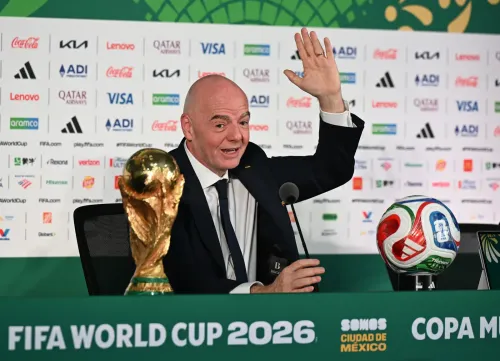
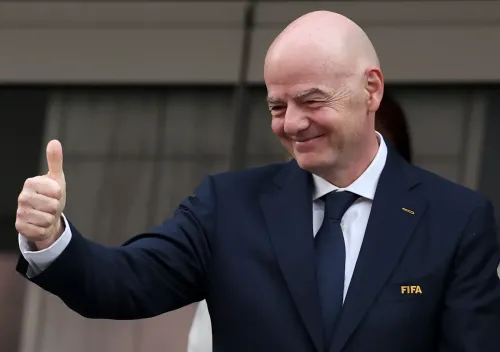
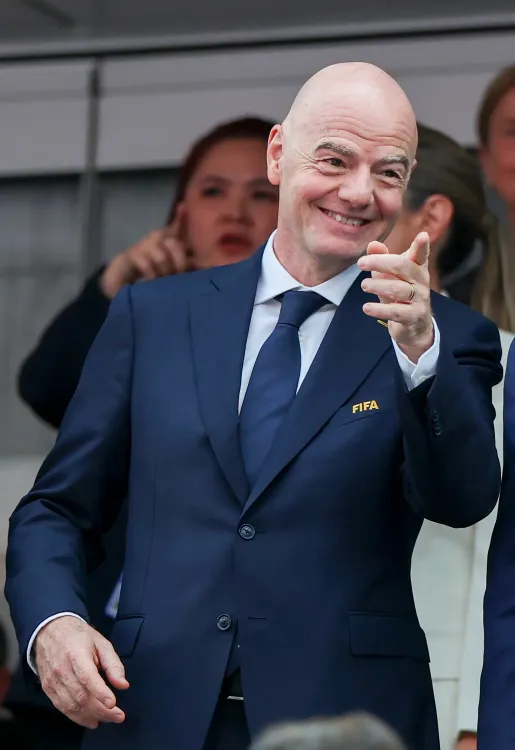
FIFA President Gianni Infantino on 6 August publicly acknowledged that mistakes were made in his attempt to privatise the commercial operations of the FIFA World Cup, issuing an apology for 'errors' during a crisis meeting held in Rabat, Morocco. Despite the controversy, senior FIFA executives at the meeting 'reaffirmed their full support' for Infantino to continue as president of world football's governing body.
The Failed FFE Proposal
At the centre of the crisis was Infantino's proposal to establish FIFA Forward Enterprise (FFE), a private company designed to manage the commercial and operational dimensions of FIFA's tournaments. The plan drew fierce opposition from UEFA, Concacaf, the Asian Football Confederation (AFC), and numerous national associations, as well as significant internal dissent within FIFA itself. Faced with mounting resistance, Infantino was compelled to withdraw the FFE proposal entirely before the Rabat meeting convened.
What the Crisis Meeting Concluded
Following the gathering in Rabat, FIFA issued an official statement in which the FIFA Secretary General and members of the FIFA Management Board present declared their 'full support for FIFA chief Infantino, as the only official elected by the 211 FIFA Member Associations.' In turn, Infantino 'reiterated his full support for the FIFA Secretary General and the FIFA Administration for their necessary and outstanding work in the delivery of his vision,' the statement read.
The meeting acknowledged that 'it was not the intention for the FIFA Council and FIFA Member Associations to feel excluded from the process and that the process should have been handled differently.' It was further conceded that 'errors were also made after the proposal was leaked to media.' A formal apology for these errors was dispatched in a separate letter to the FIFA Council and member associations, along with a 'commitment to ensure they do not happen again.'
Internal Memo Signals Gravity of Fallout
FIFA Secretary General Mattias Grafstrom, who attended the Wednesday meeting, had previously circulated an internal memo to FIFA staff on Tuesday describing the situation as 'a sad and reproachable series of events.' The candid internal language underscored how deeply the episode had unsettled the organisation's leadership structure, even as the public statement sought to project unity.
FIFA's Stance on Future Governance
Notably, FIFA's post-meeting statement carried a pointed warning: with the FFE project withdrawn, the body declared it 'will no longer tolerate any attacks on its integrity, good governance and due process and will take all necessary measures to protect and safeguard its name and reputation.' The organisation insisted that, despite the acknowledged mistakes, 'everything that was done was done in full compliance with the FIFA regulatory framework.'
A formal review has been ordered, with a report to be presented to the FIFA Council at its next scheduled meeting. The episode adds to a pattern of governance controversies that have dogged FIFA's leadership in recent years, raising fresh questions about transparency and the extent of consultation with member federations on major structural decisions.
Point of View
But the manner of survival is telling: he needed a closed-door meeting in Rabat, a formal apology letter, and a rallying statement from subordinates to shore up a position that should have been uncontested. The FFE proposal was not just a procedural misstep — it represented an attempt to restructure football's most valuable commercial asset without meaningful consultation with the federations that underpin FIFA's legitimacy. The warning against 'attacks on its integrity' in the post-meeting statement risks conflating legitimate governance scrutiny with reputational threat. If the review ordered is conducted by FIFA internally rather than independently, it is unlikely to satisfy the UEFA and AFC blocs whose opposition forced the climbdown in the first place.
NationPress
20 Sept 2026
Frequently Asked Questions
What was the FIFA Forward Enterprise (FFE) proposal?
The FIFA Forward Enterprise was a proposed private company that would have managed the commercial and operational aspects of FIFA's tournaments, including the World Cup. Infantino withdrew the plan after it triggered widespread opposition from UEFA, Concacaf, the Asian Football Confederation, and numerous national associations.
Why did Gianni Infantino apologise at the Rabat meeting?
Infantino apologised for 'errors' in how the FFE privatisation plan was handled — specifically that the FIFA Council and member associations were made to feel excluded from the process, and that further mistakes were made after the proposal was leaked to the media. A formal apology letter was sent to the FIFA Council and member associations.
Is Infantino still FIFA president after the crisis?
Yes. Despite the controversy, the FIFA Secretary General and FIFA Management Board members at the Rabat meeting reaffirmed their full support for Infantino, noting he is the only official elected by all 211 FIFA Member Associations.
What happens next following the Rabat crisis meeting?
FIFA has ordered a formal review of the FFE episode, with a report to be presented to the FIFA Council at its next scheduled meeting. The organisation has also committed to ensuring the same procedural errors are not repeated.
Which bodies opposed the FIFA World Cup privatisation plan?
UEFA, Concacaf, the Asian Football Confederation (AFC), and several national associations publicly opposed the FFE proposal. There was also reported criticism from within FIFA itself, making the opposition both external and internal.